 listicle
Table Tennis Practice Tools: A Complete Guide
Table of Contents
- Why the Right Practice Tools Matter for Table Tennis
- Table Tennis Robots: Automated Training for Consistent Stroke Repetition
- Solo Table Tennis Practice: Training Without a Partner
- Table Tennis Serve Practice: Drills to Build Accuracy
- Table Tennis Practice Drills: Structured Routines for Skill Development
- Essential Training Accessories: Ball Collectors and Support Equipment
- Building Your Home Practice Environment
- Frequently Asked Questions
Last Updated: October 6, 2026
Why the Right Practice Tools Matter for Table Tennis
The difference between stagnant progress and rapid improvement often comes down to one thing: consistency. Table tennis demands precision, timing, and muscle memory that only repetition builds.
This is where dedicated equipment changes everything. Whether you're recovering from back pain, managing a busy training schedule, or running a facility with dozens of tables, the tools you choose directly impact how much quality practice time you actually get.
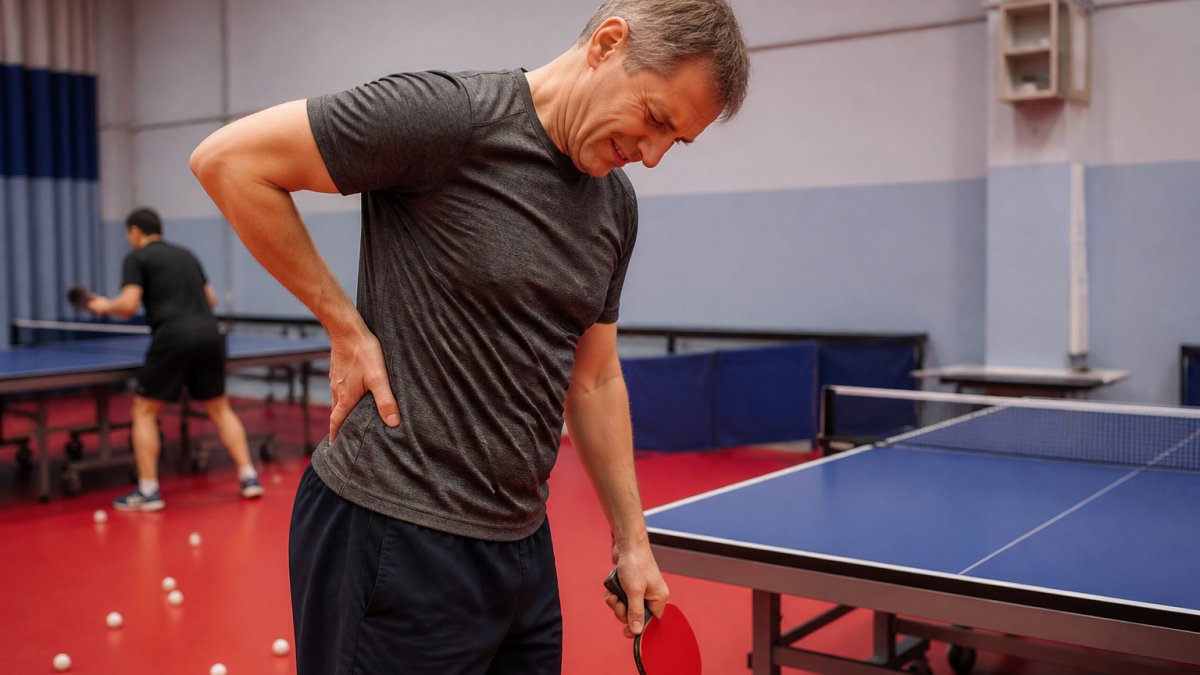
At MyPingPongBuddy, we understand the frustration. Coaches waste time bending over to collect balls. Players with mobility issues skip training sessions because cleanup feels impossible. Facilities struggle with efficiency when ball retrieval becomes a bottleneck.
Below, we'll walk you through the full spectrum of table tennis practice tools, from high-tech robots to simple accessories that make a real difference. You'll see how to match each tool to your skill level, training goals, and space constraints.
Table Tennis Robots: Automated Training for Consistent Stroke Repetition
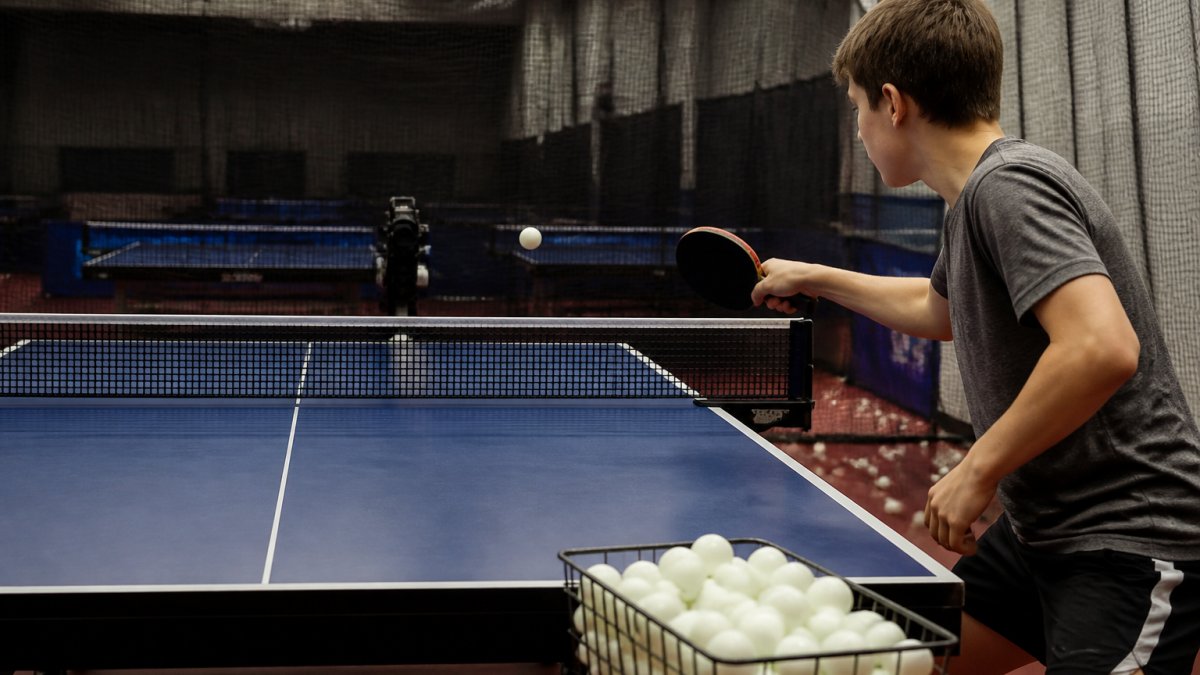
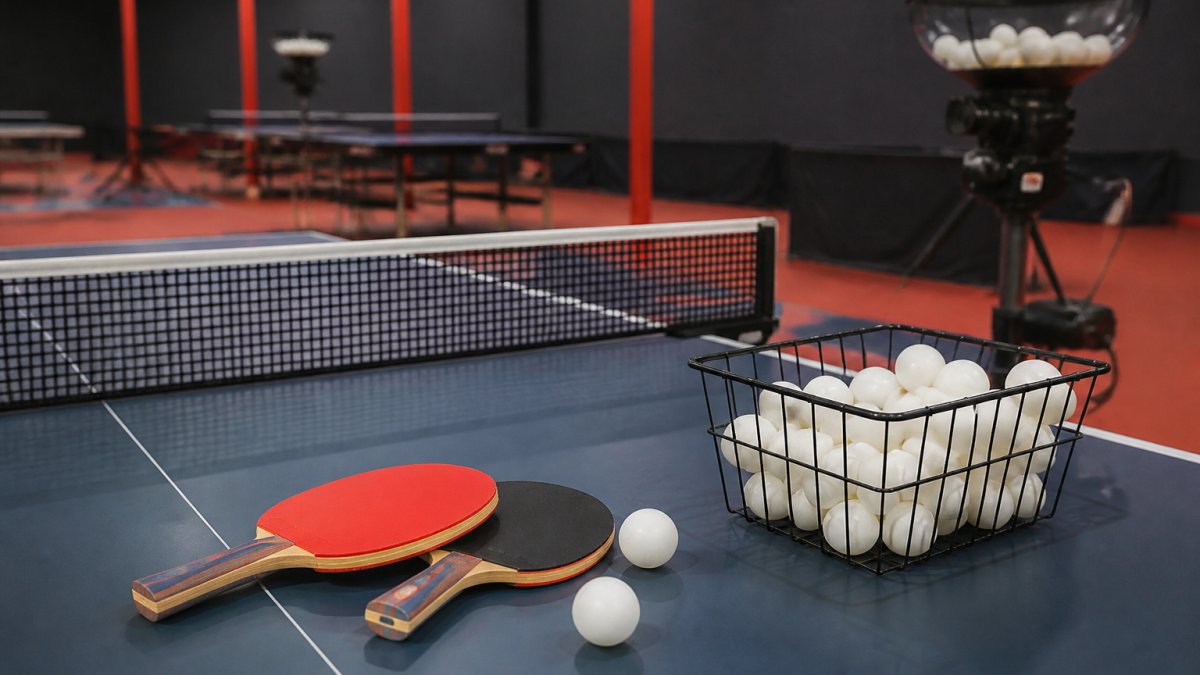
A quality table tennis robot removes the biggest barrier to solo improvement: the need for a consistent practice partner. Robots feed balls at predictable speeds, spins, and placements, allowing you to focus entirely on stroke execution and footwork.
The core advantage is stroke repetition at scale. A human partner might feed 50 balls in a session. A robot can deliver hundreds with identical placement and spin. This consistency builds muscle memory faster than variable practice ever could.
When evaluating robots, two factors matter most: ball frequency and programmability. Frequency determines how many balls per minute the machine delivers, faster frequency means more reps in less time. Programmability determines whether you're locked into preset patterns or can create custom drills for your specific weaknesses.
App-Controlled Models with Customizable Drills
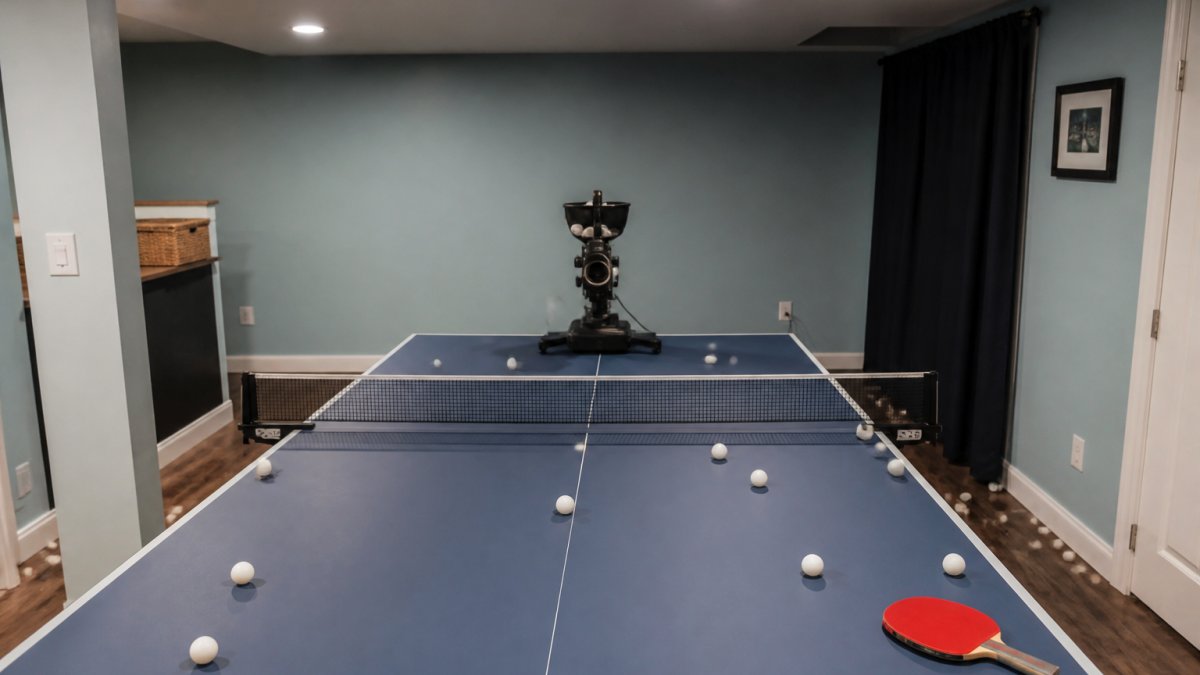
Modern robots bridge the gap between preset simplicity and full customization. The PONGBOT Table Tennis Robot exemplifies this approach. It features app control, 264 preloaded drills, and the ability to customize spin and speed. The 150-ball capacity means you're not constantly reloading between sets.
App control matters because it lets you adjust parameters mid-session without walking to the machine. If a drill feels too easy, increase speed. If placement isn't challenging your footwork enough, move the target zone. This flexibility transforms practice from passive repetition into active skill development.
The trade-off with app-controlled models is price. They cost more than basic preset robots but less than fully programmable industrial machines. For serious solo players, this middle ground often delivers the best return on investment.
Preset Drills vs. Custom Programming
Preset drills come optimized by coaches and engineers. The Power Pong Omega, for example, includes drills designed for specific stroke development, looping, blocking, counterattacking. These are battle-tested sequences that work.
Custom programming appeals to advanced players who've identified specific weaknesses. A player struggling with backhand topspin against heavy spin might program a drill that feeds only to the backhand with increasing backspin. This targeted approach accelerates improvement for players past the beginner stage.
The practical reality: most players use preset drills 80% of the time. Custom programming becomes useful once you've mastered fundamentals and need specialized work. Don't let customization be your deciding factor if you're new to robot training.
Solo Table Tennis Practice: Training Without a Partner
Not every training session requires a robot. Solo practice tools offer alternatives that fit different budgets, spaces, and training goals. The best setup often combines multiple approaches rather than relying on one tool alone.
Solo practice teaches you something partner play doesn't: self-correction. When you're feeding your own balls, you immediately notice when your stroke goes wrong. There's no partner to adjust to, you must execute perfectly every time.
Rebounder Boards for Self-Feeding Practice
A rebounder board is essentially a wall that returns the ball. You hit the ball into the board, it bounces back, you hit it again. The Wally Rebounder represents this category. These tools are low-tech, affordable, and require minimal space.
Rebounders build consistency and footwork without the investment of a robot. They're particularly useful for practicing specific strokes against predictable returns. A player working on forehand loops can hit hundreds of balls into a rebounder and refine timing without waiting for a partner to feed.
The limitation is obvious: rebounders don't simulate real match conditions. The ball returns at a fixed angle and speed. Real opponents vary placement, spin, and pace. Rebounders work best as supplementary tools, not your primary training method.
Table Tennis Serve Practice: Drills to Build Accuracy
The serve is the only shot you completely control. This makes serve practice uniquely efficient, every rep is a true test of your technique, not dependent on an opponent's ability.
Serve practice requires minimal equipment. You need a table, a net, and balls. The real requirement is structure. Most players serve randomly, hitting 20 balls without tracking results.
A simple drill: divide your service box into quadrants. Serve 10 balls into each quadrant, tracking makes and misses. This takes 5 minutes and builds precision.
The key insight most guides miss: serve practice should always include a purpose. Are you building consistency in one serve type, or developing multiple serves for match situations?
Table Tennis Practice Drills: Structured Routines for Skill Development
Random practice feels productive but builds skills slowly. Structured drills accelerate improvement by isolating specific techniques and forcing repetition under consistent conditions.
A drill differs from general practice in one critical way: it has clear success criteria. A drill might be "execute 20 consecutive forehand loops against backspin without error." General practice is just "hit some loops." The specificity forces focus and makes progress measurable.
Backspin and Topspin Simulation Drills
Spin variation is what separates competitive table tennis from casual play. Backspin drills teach you to recognize and counter defensive shots. Topspin drills build offensive capability.
With a robot, spin simulation is straightforward. Program the machine to feed only backspin balls at varying speeds. Execute your counter-attack stroke 50 times. Your nervous system learns the exact contact point and timing required. Without a robot, you need a partner willing to feed the same shot repeatedly, a significant ask.
Robots excel here because they're patient and consistent. A human partner feeding the same shot 50 times gets bored and sloppy. A robot feeds shot 500 with identical placement and spin.
Ball Placement and Reaction Speed Exercises
Placement drills force footwork and court positioning. A drill might require you to hit balls fed to alternating corners, left corner, right corner, left corner, building lateral movement and recovery speed.
Reaction speed improves through variability. Feed balls at different speeds and placements in quick succession. Your body learns to read the incoming ball faster and adjust positioning accordingly. This is where robot frequency matters. A machine delivering 15 balls per minute forces faster reactions than one delivering 8 balls per minute.
Essential Training Accessories: Ball Collectors and Support Equipment
Efficient cleanup directly impacts training quality. Every minute spent retrieving balls is a minute not spent developing your game.
Efficient Ball Collection for Home and Club Setups
Ball collection tools range from simple to sophisticated. Basic net scoops work but require bending. More efficient solutions keep you upright and moving.
MyPingPongBuddy solves this with a handmade tool designed specifically for efficient ball collection. The scoop design lets you gather balls without bending over, critical for players with back issues or coaches managing multiple tables. The tool breaks in half for easy transport between locations, making it practical for both home setups and facility use.
The efficiency gain is real. That's not just convenience, it's valuable time reclaimed for actual training.
Portable Design and Durability Considerations
Portability matters if you train at multiple locations or move between tables frequently. A tool that breaks down for transport (like MyPingPongBuddy) saves time and prevents damage compared to rigid designs.
Durability is non-negotiable for daily use. Cheap plastic breaks. Poor welds fail. A handmade tool built for repetitive use holds up where mass-produced alternatives deteriorate. Look for tools with a track record in high-volume settings, clubs and coaching centers are the real test of durability.
The 90-day full refund policy on MyPingPongBuddy reflects confidence in durability. If the tool doesn't hold up, you get your money back. That's a meaningful commitment that separates proven equipment from untested options.
Building Your Home Practice Environment
A functional home setup requires planning. Space, equipment selection, and budget all interact. Get this right and you'll train consistently. Get it wrong and your equipment becomes expensive storage.
Space Requirements and Equipment Setup
A full-size table tennis table is 9 feet long and 5 feet wide (Rules of Table Tennis). Behind the table, you need at least 6 feet for footwork. To the sides, you need 3 feet minimum.
If space is tight, prioritize depth over width. A 12-by-10-foot space works if you're mainly practicing strokes without excessive lateral movement.
Lighting matters more than most people realize. Poor lighting makes it harder to track the ball and judge spin. Position your table perpendicular to windows to minimize glare.
Budget Considerations and Tool Selection by Skill Level
Beginners should start simple. A table, balls, and a basic rebounder (under $100) covers fundamentals. Add a ball collector tool to make cleanup efficient.
Intermediate players benefit from a robot. Entry-level robots start around $500-800. They offer enough customization to support serious skill development without the complexity of industrial machines.
The key principle: don't buy equipment you won't use.
Building a table tennis practice tools system that actually works means matching equipment to your reality, your space, your schedule, your physical needs, and your training goals.
MyPingPongBuddy's ball collection tool is built for the reality of regular training. It eliminates the friction that stops players from practicing consistently.
Frequently Asked Questions
Are table tennis robots worth it for solo practice?
Table tennis robots excel at delivering consistent ball placement, spin, and speed, qualities difficult to replicate with a practice partner. They allow you to train specific strokes repeatedly without fatigue or scheduling conflicts. For solo players focused on stroke repetition and consistency, a robot justifies the investment. However, they cannot replicate unpredictable human play or competitive pressure, so combining robot practice with occasional partner sessions yields the best results.
What's the best way to practice table tennis serves at home?
Home serve practice requires a target zone and repetition. Use a robot with serve simulation features, or practice against a rebounder board positioned to return serves. Set specific targets on your side of the table (corners, lines, depth zones) and track consistency. Aim for 50-100 serves per session, varying spin and placement. A ball collector tool speeds up recovery between sets, keeping your focus on technique rather than cleanup.
What equipment do you need to practice table tennis on your own?
Essential solo practice equipment includes a quality paddle, practice balls, and either a robot or rebounder board. For home setups, add a ball collection tool to minimize bending and save time during cleanup. If using a robot, choose one with adjustable speed and spin settings. A practice net and target zones painted or marked on the table help track progress. For players with mobility concerns, a ball collector that eliminates bending is especially valuable.
How can table tennis practice drills improve hand-eye coordination?
Structured drills force your eyes and hands to react to ball placement, spin, and speed variations. Backspin and topspin simulation drills train your brain to read spin and adjust stroke mechanics accordingly. Ball placement drills, targeting different court zones, build reaction speed and footwork timing. Consistency drills, where you repeat the same stroke 20-50 times, strengthen the neural pathways that control precision. Progressive difficulty increases the challenge as your coordination improves.