 listicle
Back Pain Relief Tips for Active Adults
Table of Contents
- Core Strengthening for Back Pain Relief
- Low Back Pain Exercises for Athletes
- How to Pick Up Ping Pong Balls Without Bending
- Posture Correction and Body Mechanics
- Heat, Cold, and Recovery Protocols
- When to See a Doctor for Back Pain
- Sleep Hygiene and Mattress Selection
- Frequently Asked Questions
Last Updated: October 4, 2026
Core Strengthening for Back Pain Relief
Building a stronger core is the foundation of effective back pain relief. Your core muscles, the deep stabilizers around your lumbar spine and pelvis, support your entire upper body and reduce strain on the vertebral structures that cause chronic back pain.
Pelvic tilts and glute activation exercises teach your body proper spinal alignment from the ground up. These movements activate the muscles responsible for stabilizing your lower back during functional movement patterns. Start with controlled, low-intensity work to establish the mind-muscle connection before progressing to more demanding exercises.
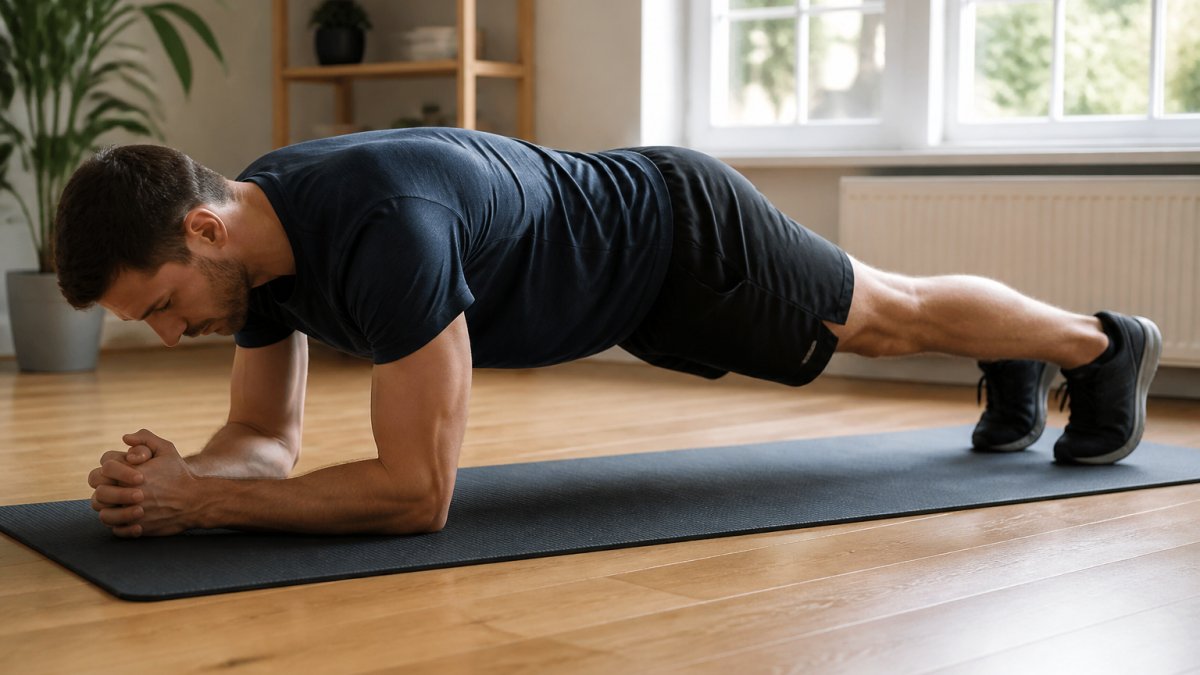
Planks and similar isometric holds build endurance in your core stabilizers without the repetitive impact of dynamic movements. Hold a plank position for 20-30 seconds, focusing on keeping your spine neutral, not sagging or hyperextending. Rest and repeat for 3-4 sets, 3-4 times per week.
Pelvic Tilts and Glute Activation
Pelvic tilts are one of the simplest yet most effective movements for teaching proper spinal positioning. Lie on your back with knees bent and feet flat on the floor. Gently tilt your pelvis so your lower back flattens against the mat, then relax. Perform 12-15 repetitions, 2-3 times per week. This exercise retrains your nervous system to recognize neutral spine position, which is critical for preventing muscle tension throughout your day.
Glute activation follows naturally from pelvic work. Your glutes are responsible for hip extension and spinal stability, when they're underactive, your lower back compensates. Perform glute bridges: lie on your back, bend your knees, and drive through your heels to lift your hips toward the ceiling. Squeeze at the top for 2 seconds, then lower. Complete 15-20 repetitions for 3 sets. Many active adults find that consistent glute work reduces lower back pain within 2-3 weeks of regular practice.
Planks and Functional Movement Patterns
Planks build isometric strength that directly supports your lumbar spine during sports, training, and everyday tasks. The key is maintaining neutral spine alignment, your body should form a straight line from head to heels. Engage your core by drawing your belly button toward your spine without holding your breath. Breathe steadily throughout the hold.
Progress gradually: start with 15-20 second holds and add 5-10 seconds per week until you reach 60 seconds. Once you can hold a plank for a minute, add variations like side planks (hold 20-30 seconds per side) or plank shoulder taps (alternate tapping each shoulder 10 times per side). These variations challenge your core stabilizers in multiple planes of motion, which improves functional movement patterns for table tennis, running, and other athletic activities.
Low Back Pain Exercises for Athletes
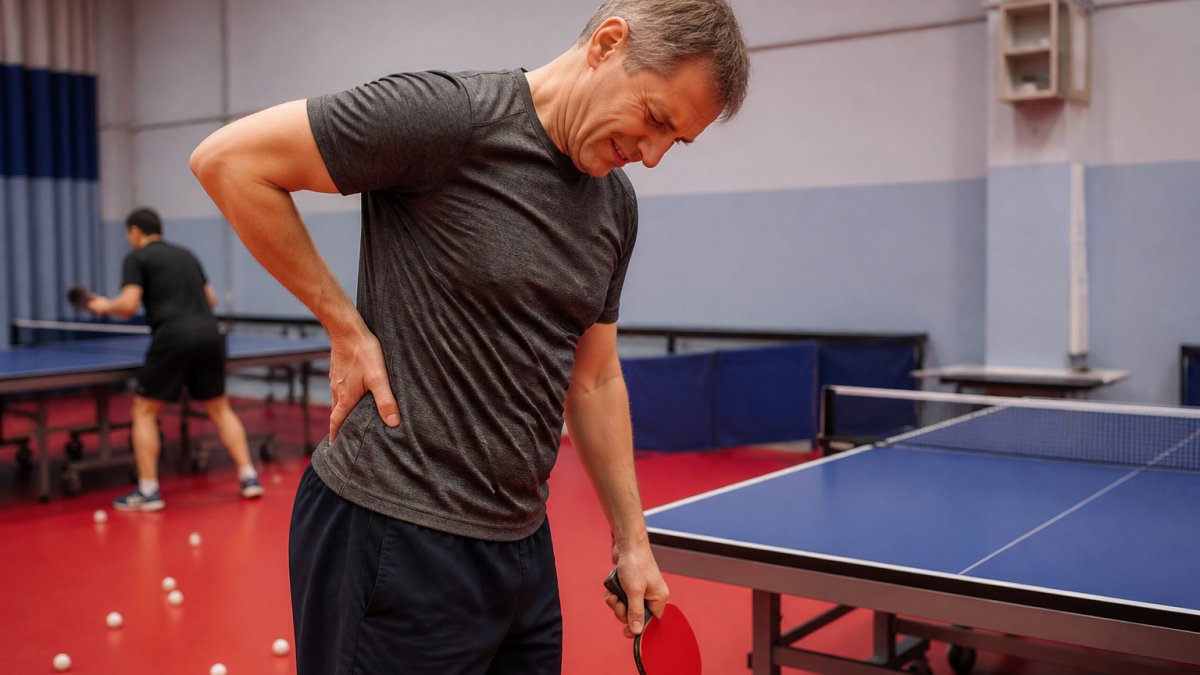
Athletes experience unique demands on their spine. Repetitive movements, explosive power generation, and the psychological pressure to return to sport quickly can all delay recovery from low back pain. The solution isn't rest, it's strategic, progressive exercise that rebuilds strength and confidence in your movement patterns.
For table tennis players specifically, the rotational demands of the sport create asymmetrical loading on the spine. Your dominant side works harder during forehands and serves, while your non-dominant side stabilizes during lateral movement. Addressing this imbalance through targeted hamstring and hip flexor stretching, combined with spinal decompression movements, restores symmetry and reduces pain.
Hamstring and Hip Flexor Stretching
Tight hamstrings and hip flexors pull on your pelvis and lumbar spine, increasing pain and limiting your range of motion. Perform hamstring stretches 3-4 times per week: sit on the floor with one leg extended and the other bent, then hinge forward from your hips until you feel a gentle stretch behind your thigh. Hold for 30-45 seconds on each side.
For hip flexor stretching, try the half-kneeling hip flexor stretch: kneel on one knee with your other foot forward, then gently press your hips forward until you feel a stretch across the front of your hip and thigh. Hold for 30 seconds, then switch sides. Perform this stretch daily if possible. Athletes who maintain consistent hip flexor flexibility report improved posture and reduced lower back pain within 1-2 weeks.
Spinal Decompression Movements
Spinal decompression creates space between your vertebrae, reducing nerve compression and inflammation. The simplest decompression movement is the prone press-up: lie face-down, place your hands under your shoulders, and gently press your upper body upward while keeping your hips on the floor. You should feel a mild stretch through your lower back. Hold for 2-3 seconds, then relax. Perform 10-12 repetitions, 2-3 times per week.
Another effective decompression technique is the dead hang: grip a pull-up bar and hang for 15-30 seconds, allowing gravity to elongate your spine. If a pull-up bar isn't available, a doorway chin-up bar works equally well. Perform 3-4 sets of 15-30 second hangs, 2-3 times per week. Many athletes find that consistent decompression work reduces localized pain and improves their ability to tolerate training volume.
How to Pick Up Ping Pong Balls Without Bending
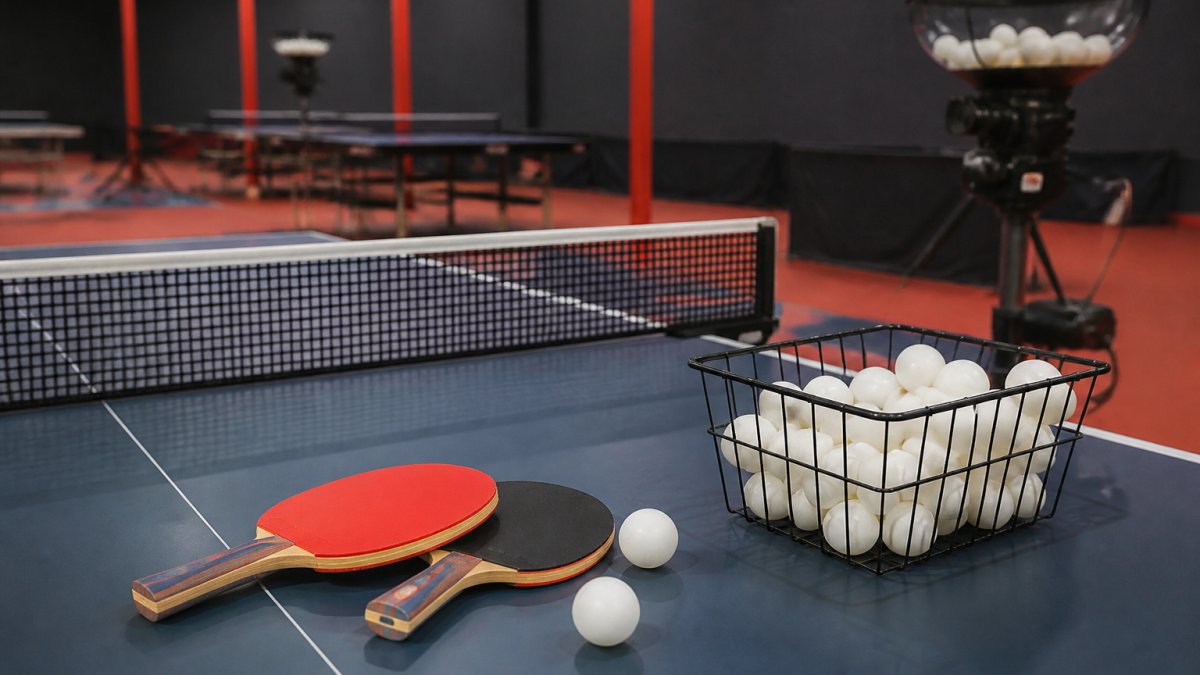
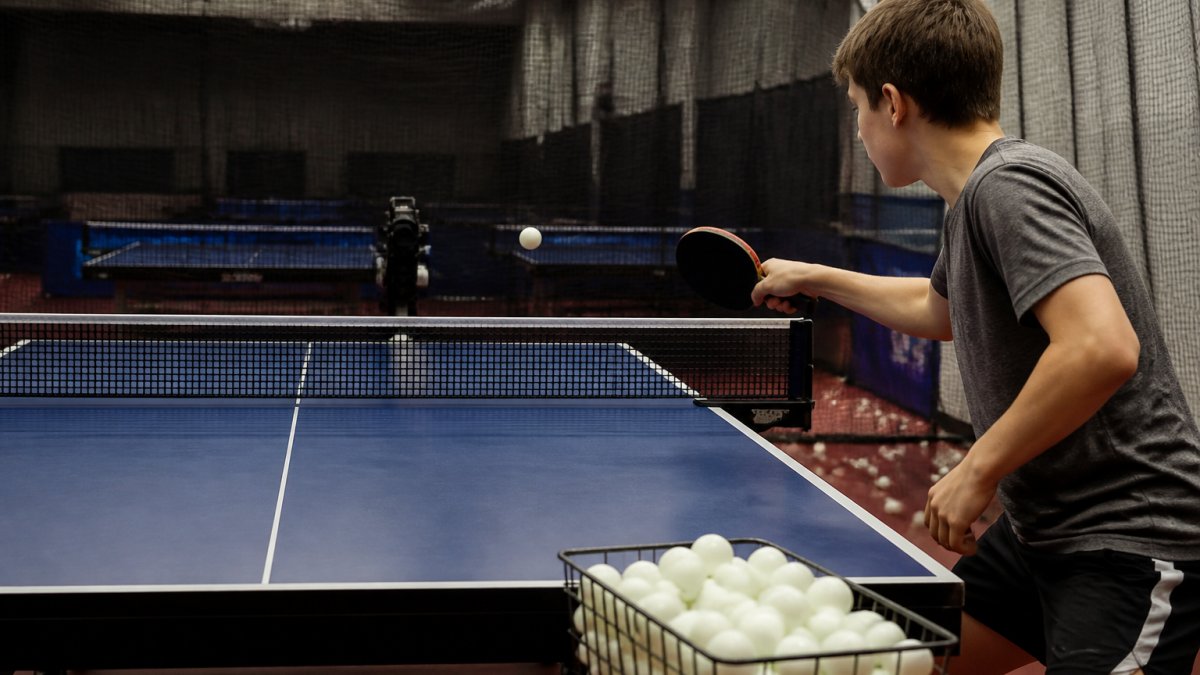
This is where most training sessions create unnecessary strain on your lumbar spine. Bending repeatedly to collect balls compounds fatigue and increases injury risk, especially during high-volume training with robots or multi-ball drills. The solution is simple: use a tool designed specifically for this task.
MyPingPongBuddy eliminates the need to bend over during cleanup, which is critical for athletes managing chronic back pain. The handmade scoop design allows you to collect balls with a simple scooping motion, keeping your spine in a neutral position. For players conducting high-volume training sessions, this tool saves hours of accumulated bending stress on your lower back.
The device breaks down in half for easy transport to tournaments or training facilities. Its clever, portable design means you can protect your back pain relief progress whether you're training at home or at a club.
Posture Correction and Body Mechanics
Poor posture amplifies back pain by placing constant stress on your vertebral structures and muscles. When your head juts forward, your shoulders round, or your pelvis tilts anteriorly, your spine compensates by recruiting stabilizer muscles that weren't designed to work continuously. Over time, this muscular fatigue becomes chronic back pain.
Posture correction starts with awareness. Stand sideways to a mirror and check your alignment: your ear, shoulder, hip, knee, and ankle should form a vertical line. If your head is forward or your pelvis is tilted, consciously adjust until you achieve neutral alignment. Practice this corrected posture for 2-3 minutes daily until it becomes your default position.
Ergonomic Setup for Training Sessions
Your training environment directly influences your spinal health. If you're using a robot or conducting multi-ball drills, position your table and equipment to minimize unnecessary bending or twisting. Your table height should allow your elbows to bend at approximately 90 degrees when your arms are relaxed at your sides. If your table is too low, you'll spend your entire session in a forward-bent posture, which increases disc compression and muscle fatigue.
Consider the placement of ball collection areas. Positioning a basket or collection zone at waist height, rather than on the floor, reduces the cumulative bending stress throughout your session. Many clubs and serious players use tools like MyPingPongBuddy specifically to keep collection points at a functional height, protecting their lumbar spine during high-volume training.
Movement Modifications During Play
During actual play, focus on rotating from your hips and thoracic spine rather than twisting from your lower back. When you reach for a wide forehand, drive the movement from your hip rotation and shoulder turn, not by hyperextending your lumbar spine. This subtle shift in movement mechanics reduces disc stress and distributes load across larger, more resilient muscle groups.
For backhand strokes and lateral movement, maintain a slight knee bend and keep your core engaged. This stable posture prevents your spine from collapsing or hyperextending during explosive movements. Over time, these modified movement patterns become automatic, and you'll notice that your back pain relief gains persist even during intense training sessions.
Heat, Cold, and Recovery Protocols
Inflammation management accelerates recovery from back pain. Heat therapy increases blood flow and muscle relaxation, making it ideal for muscle tension and stiffness. Apply heat for 15-20 minutes before training to prepare your muscles for activity. Cold therapy reduces inflammation and numbs pain, making it better suited for post-training recovery. Apply ice for 10-15 minutes after training if you experience any acute soreness.
Many athletes use both: heat before training to mobilize tissues, and ice afterward to manage inflammation. This contrast therapy approach supports faster recovery and reduces the likelihood of delayed-onset pain. Perform this protocol 3-4 times per week during periods of high training volume.
When to See a Doctor for Back Pain
If your back pain doesn't improve within 2-3 weeks of consistent exercise and activity modification, consult a healthcare provider. Seek immediate medical attention if you experience severe pain, numbness in your legs or feet, loss of bladder or bowel control, or unexplained weight loss. These symptoms may indicate nerve compression or a more serious underlying condition that requires professional diagnosis.
A physical therapist can provide personalized exercise prescription and manual therapy techniques tailored to your specific limitations. Many insurance plans cover physical therapy with a physician referral, making professional guidance accessible. Early intervention prevents chronic pain from becoming a long-term barrier to your training and athletic pursuits.
Sleep Hygiene and Mattress Selection
Sleep quality directly influences your body's ability to recover from training stress and manage pain. Prioritize 7-9 hours of consistent sleep each night, maintaining a regular bedtime and wake time even on weekends (the CDC).
Your mattress plays a critical role in spinal alignment during sleep. A mattress that's too soft allows your pelvis to sag, hyperextending your lumbar spine throughout the night. A mattress that's too firm creates pressure points that disrupt sleep quality.
| Strategy | Frequency | Expected Impact | Best For |
|---|---|---|---|
| Core strengthening (planks, glute work) | 3-4 times per week | Reduced pain within 2-3 weeks | Building foundational stability |
| Hamstring and hip flexor stretching | 4-5 times per week | Improved range of motion, reduced tension | Restoring flexibility |
| Spinal decompression (hangs, press-ups) | 2-3 times per week | Reduced nerve compression, localized relief | Acute pain episodes |
| Heat therapy before training | Before each session | Muscle preparation, improved mobility | Pre-training activation |
| Cold therapy after training | After intense sessions | Inflammation management, pain reduction | Post-training recovery |
| Sleep optimization | Nightly | Accelerated tissue recovery, pain reduction | Long-term pain management |
Back pain doesn't have to sideline your training. By combining targeted strengthening exercises, proper movement mechanics, and smart recovery strategies, you can build resilience in your spine and return to full training capacity. The key is consistency: small, daily improvements compound into lasting relief.
For table tennis players, one often-overlooked factor is the cumulative stress of ball collection. MyPingPongBuddy eliminates this problem with a handmade tool that lets you scoop balls without bending, keeping your spine neutral throughout training.
Frequently Asked Questions
What are the most effective back pain relief strategies for active adults?
The most effective approach combines core strengthening exercises, stretching routines, and activity modification. For table tennis players specifically, using tools like MyPingPongBuddy to avoid repetitive bending significantly reduces strain on the lumbar spine. Pair this with low-impact aerobic activities, proper posture alignment, and over-the-counter anti-inflammatory medication when needed. Physical therapy can address root causes and provide personalized exercise prescriptions for your specific sport.
Can low back pain exercises for athletes prevent future injuries?
Yes. Preventative exercises that build core stability, improve hamstring flexibility, and strengthen glute activation reduce nerve compression and muscle tension. Athletes who maintain consistent functional movement patterns and practice proper body mechanics experience fewer recurring episodes. The key is addressing musculoskeletal imbalances before they worsen, not just treating pain after it develops.
How does avoiding bending help with back pain relief during table tennis?
Repetitive bending during ball collection places compressive stress on vertebral discs and strains the lumbar spine. Tools designed to help you pick up ping pong balls without bending eliminate this strain entirely. Over a season, avoiding hundreds of bending motions significantly reduces inflammation and muscle fatigue, allowing you to train longer and recover faster without aggravating existing pain.
When should I seek professional help for back pain?
Consult a doctor if pain persists beyond two weeks, radiates down your leg, causes numbness or tingling, follows an injury, or interferes with daily function. Seek immediate care for sudden severe pain, loss of bladder control, or weakness in both legs. A physical therapist can evaluate your movement patterns and sport-specific demands to create a recovery plan tailored to keeping you active.