 how-to
How to Pick Up Ping Pong Balls Without Bending
Table of Contents
- Why Bending to Collect Ping Pong Balls Is a Real Problem
- What You'll Need Before You Start
- How to Build a DIY Ping Pong Ball Retriever
- Common Mistakes to Avoid When Building or Using a Ball Retriever
- Choosing a Table Tennis Ball Picker: DIY vs. Commercial Options
- Ergonomic Table Tennis Training: Protecting Your Back Long-Term
- Maintenance, Storage, and Keeping Your Ball Picker in Shape
- How to Pick Up Ping Pong Balls Without Bending: The Bottom Line
- Frequently Asked Questions
Last Updated: August 29, 2026
Why Bending to Collect Ping Pong Balls Is a Real Problem
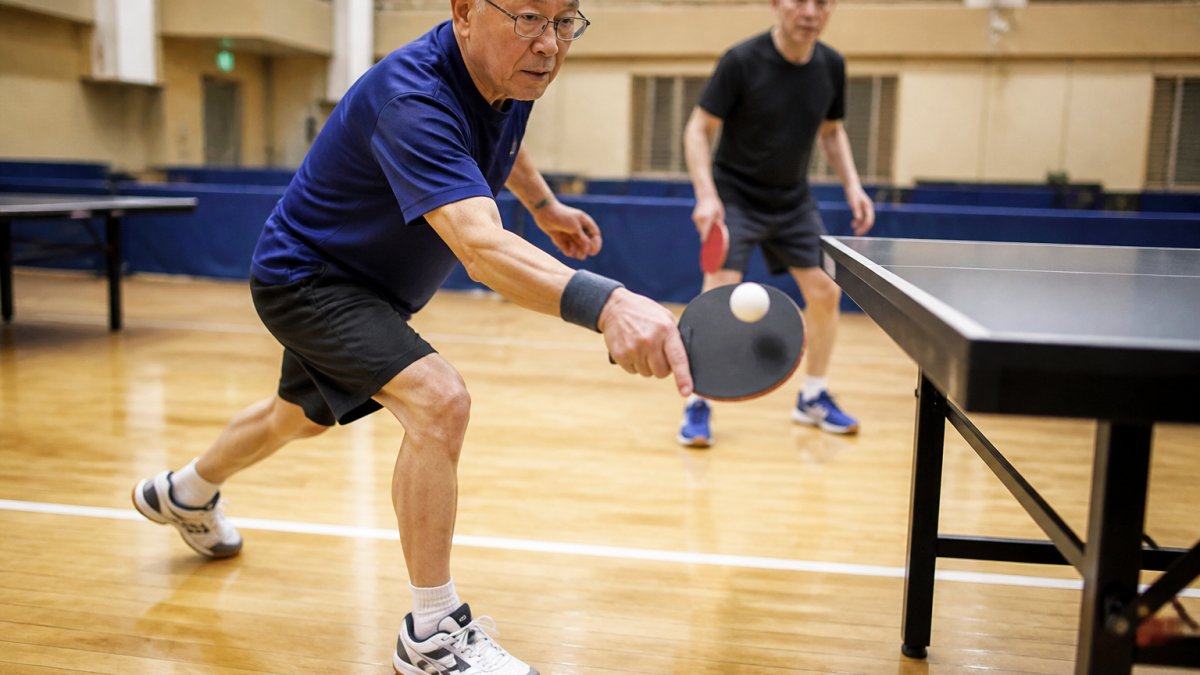
Picking up ping pong balls sounds trivial until you're a coach running multi-ball practice sessions or a player managing chronic lower back pain. Manual ball collection is a real physical burden that adds up fast.
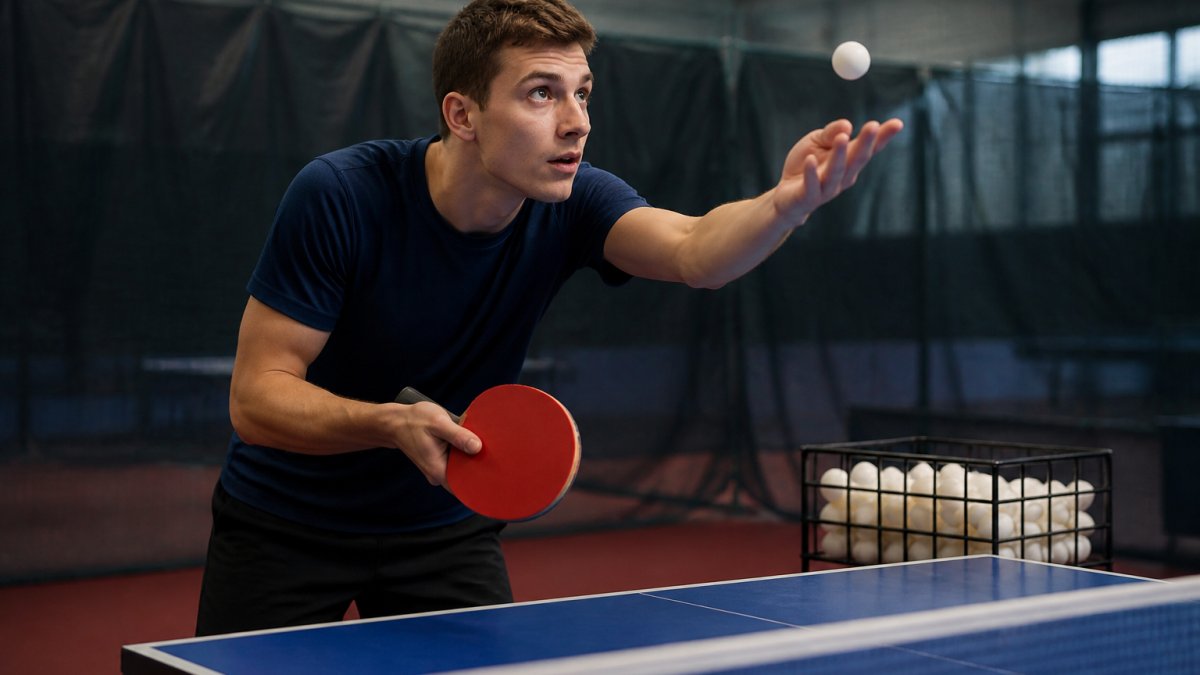
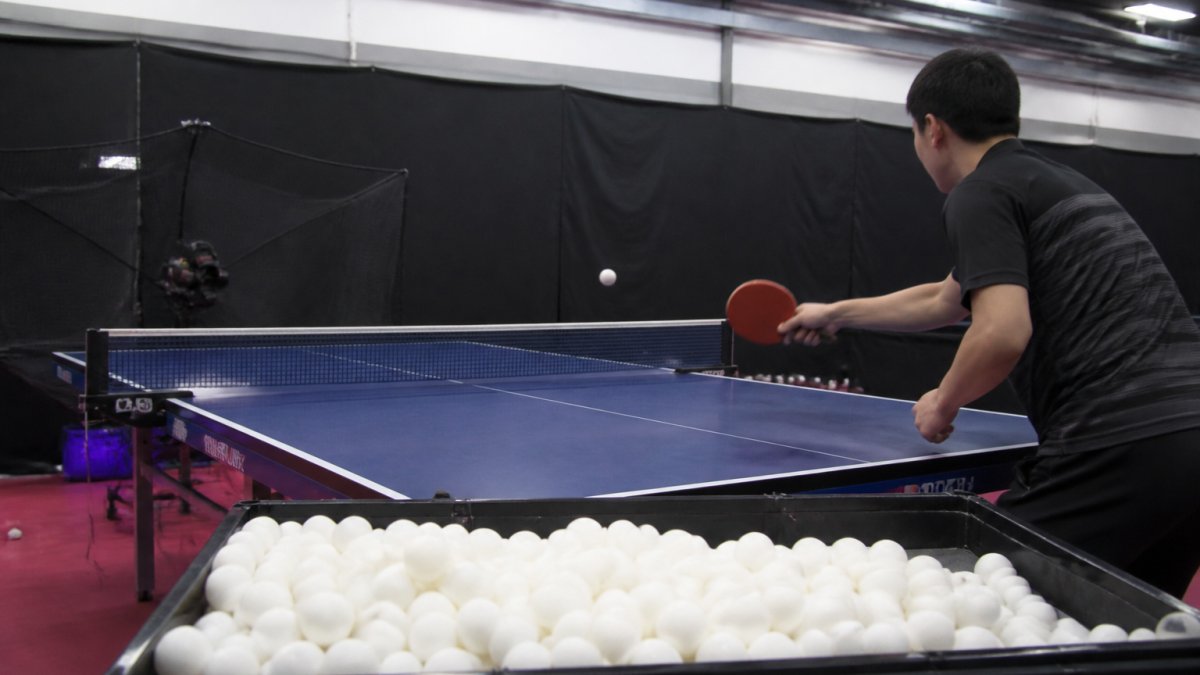
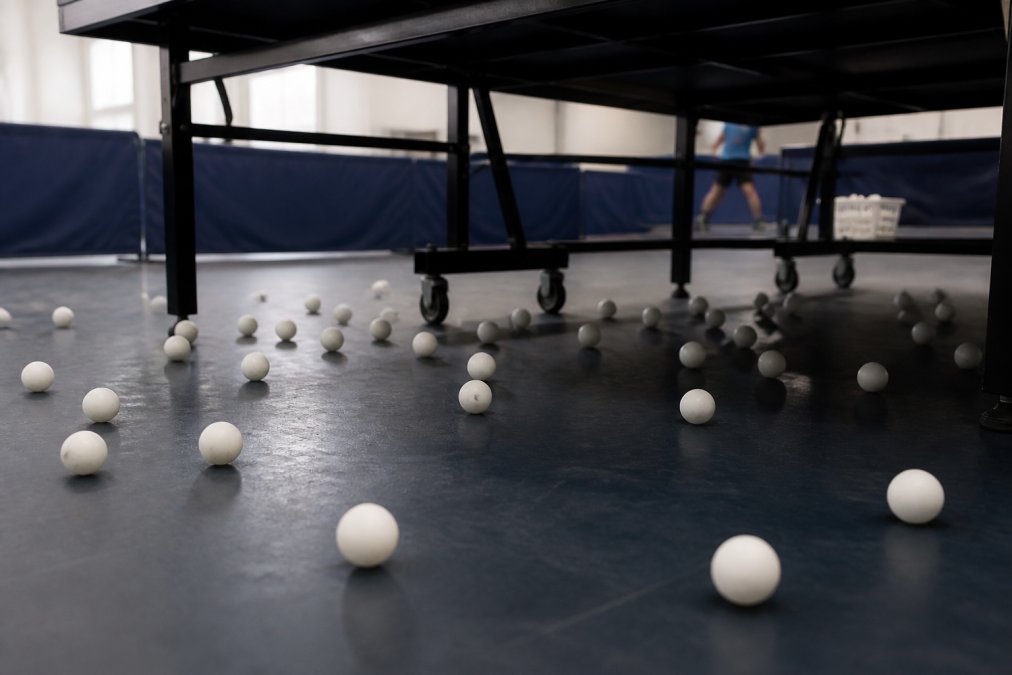
A typical multi-ball practice session scatters dozens of balls across the floor. Collecting them one by one means repeated bending, twisting, and reaching. For anyone managing lower back pain or recovering from injury, that repetitive motion is genuinely harmful. Table tennis clubs running robot training can go through hundreds of balls per session, forcing coaches and students to constantly interrupt practice for hand collection.
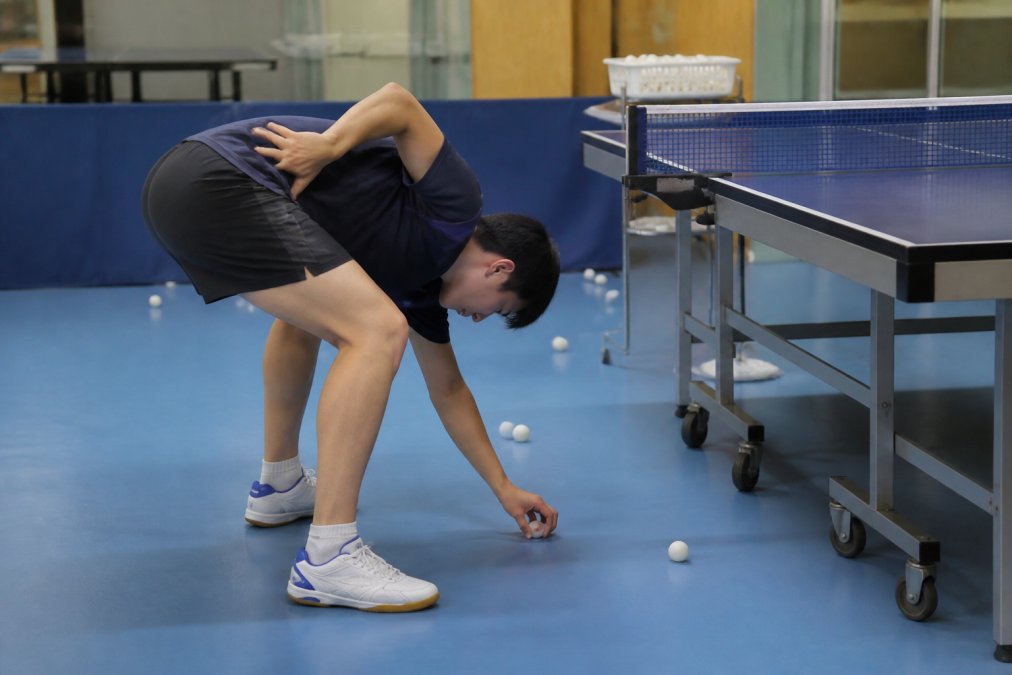
According to the American Chiropractic Association's guidance on back pain prevention, repetitive forward bending is one of the most common contributors to lower back strain in active adults. For table tennis players who already stress their backs through athletic movement, adding unnecessary floor-level retrieval compounds the risk.
The solution is straightforward: use a tool designed specifically for floor collection. Below, we'll walk through how to build your own DIY ping pong ball retriever, compare it against commercial options, and show you how to protect your back for the long term.
What You'll Need Before You Start
A DIY ping pong ball retriever requires inexpensive, widely available materials and no specialized tools. Here's what you'll need:
- PVC pipe (1.5-2 inch diameter, approximately 36-48 inches long for the handle pole)
- A second shorter PVC section (12-18 inches) for the collection tube
- PVC end caps and connectors to join sections
- A small mesh net, wire basket, or nylon bag for ball storage
- Zip ties or adhesive clips to secure the net to the tube
- A PVC cutter or hacksaw for cutting pipe to length
- Sandpaper (medium grit) to smooth cut edges
- Optional: an extensible pole if you want adjustable reach
The total material cost is modest, and most hardware stores carry everything on this list. Before cutting anything, measure your own comfortable standing reach. The pole length should let you push and scoop balls without leaning forward.
How to Build a DIY Ping Pong Ball Retriever
A DIY ping pong ball retriever is a floor-level collection device that uses gravity and tube geometry to capture balls as you push them along the ground. The basic design involves a horizontal collection tube connected to a vertical or angled handle pole, with a net or basket to hold captured balls.
Step 1: Cut and Prepare Your PVC Pipe
Measure and mark your PVC pipe at your desired handle length. For most adults, 42-48 inches works well for upright use without forward lean. Cut with a PVC cutter for a clean edge, or use a hacksaw and sand the edge smooth afterward.
Cut your second pipe section to approximately 12-15 inches for the collection tube. Sand all cut edges thoroughly. Rough edges can crack under repeated impact from balls rolling into the tube.
Dry-fit all your connections before applying any adhesive. Check that the handle and collection tube join at an angle that lets the tube sit flat on the floor while the handle rises at a comfortable grip height. A 100-120 degree angle between handle and tube is a practical starting point.
Step 2: Build the Collection Tube and Gravity-Fed Entry
The collection tube needs an opening wide enough to admit a standard 40mm table tennis ball, but narrow enough that balls don't roll back out when you lift the retriever.
Cut an oval or rectangular entry slot on the underside of your collection tube, roughly 45-50mm wide and 60-70mm long. This gravity-fed opening lets balls roll in as you push the tube along the floor.
Test the entry slot with a real ball before assembling the full device. The ball should drop in cleanly and not bounce back out when you tilt the tube upright.
Step 3: Attach the Net or Basket and Test Ball Capacity
Once the tube geometry works, attach your ball storage net or basket. A small mesh laundry bag or nylon drawstring bag works well. Secure it to the open end of the collection tube with zip ties, making sure the attachment is tight enough that the bag doesn't sag and drag on the floor.
A standard 12-15 inch collection tube can hold approximately 20-30 balls before needing to be emptied. For robot training sessions with 100+ balls in play, plan to empty the retriever every few passes.
Test the full assembly on a hard floor with at least 20 balls scattered at random. A well-built retriever should collect most balls in 2-3 passes without you bending once.
| Component | Spec to Target | Common Mistake |
|---|---|---|
| Handle pole length | 42-48 inches for most adults | Too short, forces forward lean |
| Collection tube length | 12-15 inches | Too long, awkward to maneuver |
| Entry slot width | 45-50mm | Too wide, balls roll back out |
| Net attachment | Tight zip ties, no sag | Loose bag drags on floor |
| Pole angle | 100-120 degrees from tube | Too steep, misses balls on floor |
Common Mistakes to Avoid When Building or Using a Ball Retriever
Most DIY ball retrieval projects fail at the same three points.
Cutting the pole too short. A pole that's even 6 inches too short forces you into a slight forward lean, which defeats the entire purpose of the tool. Measure twice, cut once.
Skipping the entry slot angle. A flat, perpendicular entry slot works, but it's inefficient. The angled slot fix described above is a 10-minute modification that makes a significant difference in ball retrieval rate.
Using a net that's too heavy. A thick canvas bag drags on the floor and creates resistance. Lightweight mesh is the right material here.
Plan your storage solution before the build is complete. A long PVC assembly leaning against a wall in a busy club is an accident waiting to happen.
Choosing a Table Tennis Ball Picker: DIY vs. Commercial Options
Both approaches work, but they serve different users.
A DIY ping pong ball retriever costs very little in materials and gives you full control over dimensions. For a home player or hobbyist who wants a custom-fit tool for occasional use, it's a sensible project that takes 2-3 hours.
Commercial options, including the MyPingPongBuddy tool, are built for higher demand. MyPingPongBuddy is handmade for durability, breaks down in half for easy transport and storage, and is designed to scoop up balls with a single smooth motion. It's been used at table tennis clubs including SPIN locations and was issued as a prize at the 2012 Huntsman World Senior Games.
Here's where DIY typically falls short for serious users:
- Durability under daily use. PVC connections loosen over time, especially at high ball-collection volumes.
- Portability. A fixed PVC assembly doesn't pack down easily. A tool that breaks in half fits in a bag and travels to tournaments.
- Consistency of ball entry. Hand-cut entry slots vary in quality. A manufactured retriever has consistent geometry that performs the same way every time.
For club managers collecting hundreds of balls per day across multiple tables, one retriever per coach or per table pair is a reasonable starting point.
According to USA Table Tennis's resources on training equipment and practice setup, efficient practice environments directly support player development by reducing downtime between drills.
| Consideration | DIY Build | Commercial Picker |
|---|---|---|
| Upfront cost | Low (materials only) | Higher, check current pricing |
| Build time | 2-3 hours | None |
| Durability | Moderate | High (handmade, daily-use rated) |
| Portability | Limited (fixed length) | Breaks down in half |
| Ball entry consistency | Varies by build quality | Consistent by design |
| Best for | Home players, hobbyists | Clubs, coaches, serious players |
Ergonomic Table Tennis Training: Protecting Your Back Long-Term
Repetitive forward bending is not a minor inconvenience. For competitive players and coaches who spend hours at the table daily, it's a genuine injury risk that compounds over months and years.
Ergonomic table tennis training means designing your practice environment to minimize unnecessary physical stress. Ball collection is one of the most overlooked contributors to that stress. Players who bend 50-100 times per session are adding significant cumulative load to their lumbar spine, on top of the athletic demands of the game itself.
As the National Institute of Neurological Disorders and Stroke's guidance on back pain notes, repeated bending and lifting, even of light objects, is a recognized risk factor for lower back injury when performed in high volumes over time. A ball retriever eliminates that motion entirely.
Beyond the retriever itself, a few ergonomic principles are worth building into your table tennis practice routine:
- Warm up your back before multi-ball sessions. Hip flexor stretches and gentle lumbar rotations take 5 minutes and meaningfully reduce injury risk.
- Use a ball hopper at table height. A hopper mounted at waist height keeps the feeding motion neutral.
- Rotate collection duties. In club settings, distribute the task so no single player or coach accumulates the full repetitive motion load.
- Check your stance during collection. Even with a retriever, players sometimes lean forward out of habit. Stand upright, let the tool do the work.
Maintenance, Storage, and Keeping Your Ball Picker in Shape
A ball retriever only saves time if it's working properly.
For DIY PVC builds:
- Check all joints monthly. Loose connections reduce collection accuracy.
- Inspect the entry slot edges. Sand smooth as needed.
- Replace the net or bag when it shows wear.
- Store vertically or horizontally on a wall mount, never leaning unsecured.
For commercial tools:
- Wipe down after sessions in humid environments.
- Check the breakdown joint regularly. Make sure it seats fully and locks before each use.
- Store in a bag or case when transporting.
Empty the net after each session and store balls in a dedicated hopper or container. For club managers: label your retrievers to prevent mix-ups and loss.
How to Pick Up Ping Pong Balls Without Bending: The Bottom Line
The core answer is simple: use a purpose-built retriever, either one you build or one you buy. Over the course of a training career, eliminating unnecessary bending matters more than most players realize.
For hobbyists and DIY enthusiasts, the PVC build described above is a practical, low-cost solution that works well for home tables and light club use.
For coaches, club managers, and serious players who need durability and portability, a commercial table tennis ball picker is the smarter investment. The MyPingPongBuddy tool is handmade for exactly this kind of demand, it breaks down in half for easy transport, scoops balls cleanly without bending, and comes backed by a 90-day full refund policy so you can test it in your actual training environment without risk.
As the American College of Sports Medicine's position on injury prevention in recreational sports makes clear, preventing repetitive strain injuries requires addressing the source of the repetitive motion, not just treating symptoms after the fact. A ball retriever addresses the source directly.
One customer put it plainly: "This makes cleanup SO INCREDIBLY EASY and actually kind of fun." That's the standard a good retrieval tool should meet. Practice time is too valuable to spend bent over the floor.
Frequently Asked Questions
What is the best table tennis ball picker for players with back pain?
The best table tennis ball picker for players with back pain is one with an extensible pole long enough to reach floor level without any bending. Look for a gravity-fed or scoop design that collects multiple ping pong balls in a single pass. Lightweight materials matter too. Handmade options built for durability can outperform cheap net scoops because they hold their shape under daily use. Check that the handle length suits your height before buying.
Can you build a DIY ping pong ball retriever at home?
Yes. A basic DIY ping pong ball retriever can be built using PVC pipe, a mesh bag or ball hopper basket, and simple connectors. The tube design relies on gravity to feed balls into the collection chamber as you roll it across the floor. Assembly takes roughly an hour with common household tools. The trade-off is that homemade versions require more maintenance and may not match the ball capacity or durability of a purpose-built commercial tool, especially in high-volume club settings.
Why is it important to minimize bending during table tennis practice?
Repeated bending during multi-ball practice puts significant stress on the lumbar spine. Over a long training session, manual collection can mean hundreds of individual bends, each one compressing the lower back. For players with existing back conditions, this repetitive motion accelerates pain and raises injury risk. Reducing bending also speeds up practice efficiency: less time spent collecting ping pong balls means more time on actual drills, which benefits coaches running robot training or multi-ball feeding sessions.
Are there ergonomic solutions for table tennis ball collection beyond DIY builds?
Yes. Commercial ball retrievers and dedicated ball hoppers are designed specifically for ergonomic table tennis training. Some attach to the net for hands-free collection during robot training sessions, while others use an extensible pole for floor collection. Purpose-built tools like the MyPingPongBuddy picker are handmade for durability and break down in half for easy storage and transport, addressing both the ergonomic problem and the practical need for a compact, club-ready solution.
Back pain and wasted practice time are two problems table tennis players shouldn't have to accept. MyPingPongBuddy's handmade ball retriever eliminates the need to bend over entirely, breaks down in half for easy storage and transport, and is built to handle the volume demands of daily training sessions. Try it risk-free with a 90-day full refund policy. Buy it now and keep your focus where it belongs, on the game.