 how-to
Back-Friendly Lifting Techniques: A Step-by-Step Guide
Table of Contents
- Why Back Safety Matters When Lifting
- Assessing the Load Before You Lift
- Proper Lifting Technique: The Foundation
- How to Lift Heavy Objects Safely
- How to Carry Heavy Objects Safely
- Ergonomic Lifting Tips for Repeated Tasks
- Common Lifting Mistakes to Avoid
- Back-Friendly Lifting for Existing Pain or Mobility Limits
- Frequently Asked Questions
Last Updated: October 7, 2026
Why Back Safety Matters When Lifting
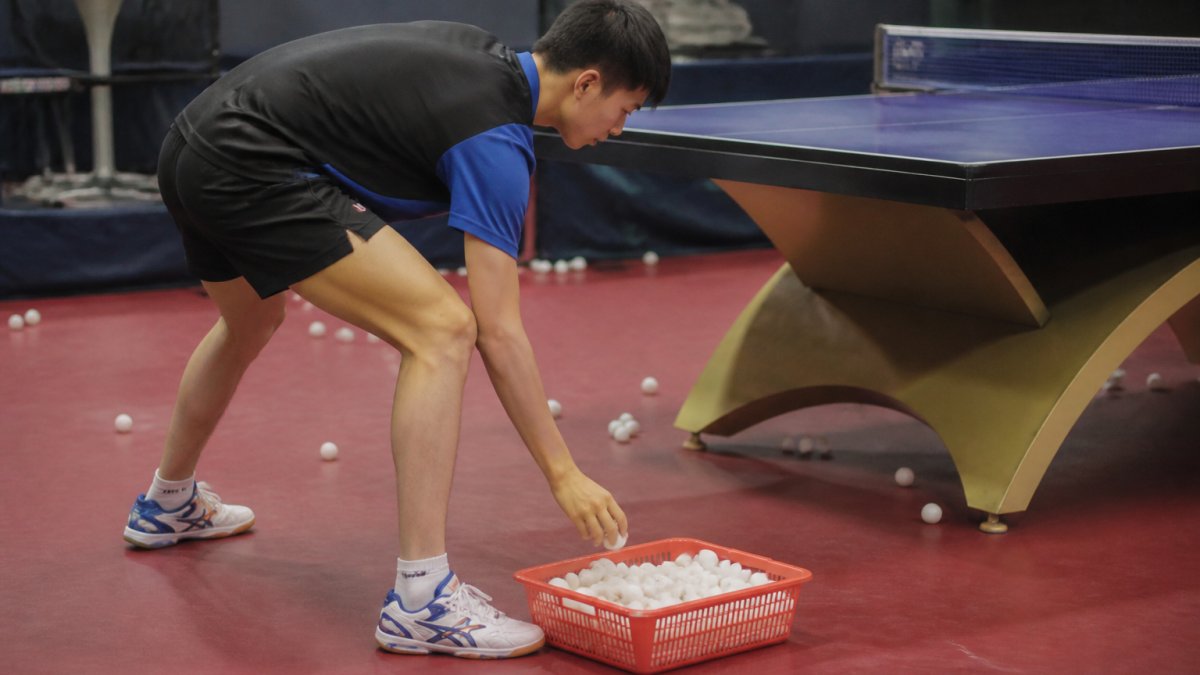
Back injuries happen fast. For table tennis players, coaches, and facility managers who spend hours picking up balls, this risk is real and constant.
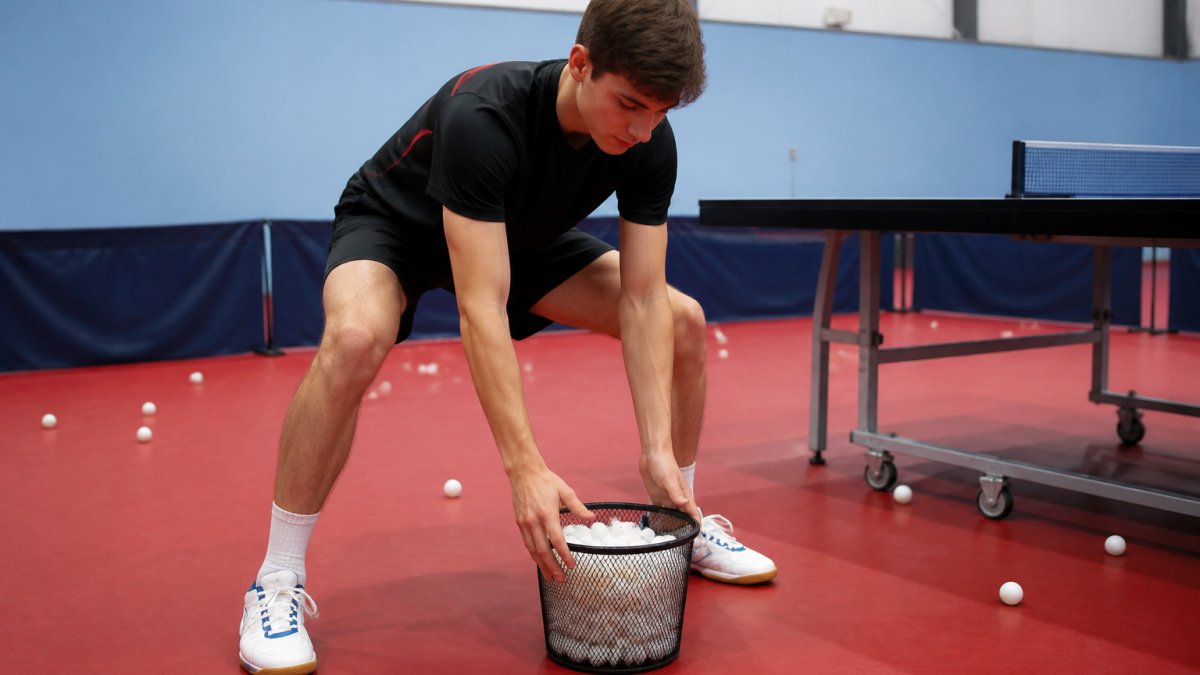
Your lower back bears enormous stress when you lift incorrectly, which is why back friendly lifting technique is essential. The spine has limits. Push past them, and you damage discs, strain muscles, and irritate nerves. The worst part?
Back-friendly lifting isn't complicated, but it does require intention. The good news is that proper technique works.
At MyPingPongBuddy, we understand this challenge firsthand. That's why we designed our ball collection tool to eliminate the need to bend over at all. But before we get to that solution, let's cover the fundamentals of safe lifting technique.
Assessing the Load Before You Lift
Before you pick up anything, stop and assess what you're about to lift. Not all loads are the same, and not every load is safe for you to handle alone.
Ask yourself these questions:
- How heavy is the object?
- Is the load awkward or unbalanced?
- Can you grip it securely?
- Is your path clear to where you're moving it?
- Are you physically ready to lift today?
A basket of ping pong balls is light, but a bucket of wet balls is heavier. An awkward load, something bulky, unbalanced, or with no clear grip point, requires more caution than a compact object. If something feels too heavy, too awkward, or if you're fatigued, don't lift it alone. Ask for help or find an alternative.
This is where many people make mistakes. They rush. They assume they can handle something because they've handled it before. Your body changes day to day. Fatigue, previous injuries, and age all affect your lifting capacity. Honest assessment prevents injury.
Proper Lifting Technique: The Foundation
Proper lifting technique is your best defense against back injury. The foundation rests on five key principles: positioning your feet, bending at the hips and knees, keeping your spine neutral, gripping securely, and engaging your core. Master these, and you can lift safely in almost any situation.
Position Your Feet and Establish a Stable Stance
Your feet are your foundation. A stable stance prevents your body from compensating with your back.
Stand with your feet about shoulder-width apart. This creates a wide base of support. Your feet should point in the direction you're moving. If you need to turn, move your feet, don't twist your spine.
Place one foot slightly ahead of the other if it feels more balanced. This staggered stance helps you maintain stability as you lift.
Before you lift, test your balance. Shift your weight slightly. You should feel stable, not wobbly. If you feel unstable, adjust your stance until you do. A solid stance takes seconds and prevents falls or awkward compensations.
Bend at the Hips and Knees, Not the Back
This is the core rule of safe lifting: bend your hips and knees, not your back. Your legs are strong. Your lower back is not designed to bend and lift heavy loads.
Here's the correct sequence:
- Keep your back straight
- Bend at your hips and knees
- Lower your body until you can reach the object
- Grip the object with both hands
- Engage your legs to stand up
The motion should feel like a squat, not a forward bend. Your knees should track over your toes. Your back stays neutral, not arched, not rounded. Your chest stays upright.
Many people bend forward at the waist. This puts enormous stress on your lower back and discs. It feels natural because it's fast, but it's dangerous. The squat motion is safer because it distributes the load across your larger leg muscles instead of concentrating stress on your spine.
Keep Your Spine Neutral and Grip Securely
A neutral spine is straight but not rigid. Imagine a vertical line running through your head, shoulders, and hips. That line should stay straight as you lift.
Don't arch your back excessively. Don't round your shoulders forward. Keep your core engaged. This neutral position protects your discs and ligaments from shear force and compression.
Your grip matters too. Use both hands. Grip the object close to your body, not at arm's length. The farther an object is from your body, the more stress your back experiences.
If the object has handles, use them. If it doesn't, grip it firmly on opposite sides. Make sure your grip is secure before you lift.
Tighten your abdominal muscles before you lift. This core engagement stabilizes your spine and protects your lower back.
How to Lift Heavy Objects Safely
Heavy objects demand extra attention. The heavier the load, the more critical your technique becomes.
Follow these back friendly lifting steps:
- Assess the weight and grip points, Can you hold it securely? Is it balanced?
- Position your feet, Shoulder-width apart, one foot slightly forward
- Squat down, Bend at hips and knees, keep your back straight
- Grip firmly, Use both hands, hold close to your body
- Engage your core, Tighten your abdominal muscles
- Lift with your legs, Push through your heels to stand up
- Keep the load close, Don't let it drift away from your body
- Move slowly, Avoid jerky motions or sudden changes in direction
The entire motion should be controlled. Speed increases risk. If something feels off during the lift, stop and reset. There's no prize for powering through bad form.
For very heavy objects, consider whether you need help. Two people lifting is safer than one person straining. This isn't weakness, it's smart risk management.
How to Carry Heavy Objects Safely
Once you've lifted something, you need to carry it safely. Carrying technique is just as important as lifting technique.
Hold the object close to your body. The farther it is from your center, the more stress your back experiences. Keep your core engaged throughout the carry.
Walk at a normal pace. Don't rush. Watch your path to avoid obstacles or uneven surfaces. If you can't see over or around the object, ask someone to guide you or take a different path.
When you set the object down, reverse the lifting process. Squat down using your legs. Keep your back straight. Lower the object to its resting place.
For repeated carrying, like moving multiple baskets of balls during training, take breaks. Fatigue degrades form. Your muscles tire, and your technique breaks down.
Ergonomic Lifting Tips for Repeated Tasks
Table tennis coaches and facility managers lift repeatedly. Collecting balls happens dozens or hundreds of times per session. Repeated lifting creates cumulative stress on your back.
Reduce that stress with these strategies:
- Vary your movements, Don't perform the exact same motion repeatedly. Mix up which side you lift from, which direction you move, and how you position your body
- Take regular breaks, Step away from lifting for a few minutes every 15-20 minutes
- Strengthen your core, Strong abdominal and back muscles stabilize your spine and reduce injury risk
- Stretch regularly, Tight muscles restrict movement and increase strain
- Stay hydrated, Dehydration reduces muscle performance and increases fatigue
- Adjust your workspace, Raise or lower surfaces so you don't have to bend as far
Many facilities discover that changing how they collect balls saves their staff's backs. Instead of bending repeatedly, use tools designed for the task. MyPingPongBuddy's collection tool, for example, lets you scoop balls without bending. Your training sessions stay focused on the sport instead of cleanup.
Common Lifting Mistakes to Avoid
Most back injuries happen because of preventable mistakes. Here are the biggest ones:
Bending at the waist instead of the knees, This concentrates all stress on your lower back. Your legs are designed to lift; your back isn't.
Lifting with your arms instead of your legs, Your arm muscles are small and weak compared to your leg muscles. Using them to lift forces your back to compensate.
Twisting while lifting, Rotating your spine under load is dangerous. Move your feet instead.
Lifting awkwardly or off-balance, Unbalanced loads force your body to compensate. This creates strain in unexpected places.
Rushing or jerky movements, Speed increases risk. Controlled, deliberate motions are always safer.
Ignoring fatigue, Tired muscles can't maintain proper form. Rest when you're tired.
Lifting alone when you need help, Pride isn't worth a back injury. Ask for help with heavy or awkward loads.
Back-Friendly Lifting for Existing Pain or Mobility Limits
If you already have back pain or limited mobility, lifting requires extra caution. Your back is already compromised, and improper technique can make things worse.
Before lifting with existing pain, consult a physical therapist or doctor. They can assess your specific situation and give you personalized guidance.
General principles for lifting with back issues:
- Reduce the load, Lift lighter objects, or break heavy loads into smaller portions
- Minimize bending, The less you bend, the less stress on your injured area
- Use assistive tools, Tools like MyPingPongBuddy's collection device eliminate bending entirely
- Move slowly and deliberately, Speed increases pain and risk
- Stop if it hurts, Pain is a signal. Respect it
- Focus on core engagement, Strong core muscles stabilize your spine and reduce pain
- Stretch and warm up, Gentle movement before lifting reduces stiffness and risk
Many people with chronic back pain discover that eliminating repetitive bending transforms their training.
If your back pain is severe or worsening, stop lifting and seek professional help. A physical therapist can teach you modifications that work for your specific condition.
Back injuries are preventable. Proper technique, smart assessment, and the right tools make all the difference.
| Lifting Scenario | Key Technique | Why It Matters |
|---|---|---|
| Light objects (ping pong balls) | Squat with feet apart, neutral spine | Prevents habit of poor form |
| Heavy or awkward loads | Two-person lift or assistive tools | Reduces individual back stress |
| Repeated lifting (training sessions) | Vary movements, take breaks, use tools | Prevents cumulative injury |
| Existing back pain | Minimize bending, use collection tools | Protects compromised spine |
CDC guidelines on workplace ergonomics and safe lifting
American Academy of Orthopaedic Surgeons resources on back pain prevention
National Institute for Occupational Safety and Health manual handling guidance
Frequently Asked Questions
What is the proper way to lift something without hurting your back?
The proper lifting technique starts with assessing the load and positioning your feet shoulder-width apart. Bend at your hips and knees rather than rounding your back, keep the object close to your body, and maintain a neutral spine throughout. Engage your core muscles, grip securely, and lift using your leg muscles. Avoid twisting your torso; instead, move your feet to change direction. This back-friendly lifting approach distributes stress across your larger leg muscles rather than straining your lower back.
How can you reduce back strain when lifting repeatedly?
Repeated lifting demands proper ergonomic lifting tips to prevent cumulative injury. Take breaks between lifts to let your back recover, vary your lifting tasks to avoid overusing the same muscle groups, and use mechanical aids when available, like a ball picker tool for table tennis training, to eliminate unnecessary bending. Maintain good posture between lifts, strengthen your core muscles through regular exercise, and never rush the process. If you experience pain, stop immediately and reassess your technique or the load weight.
Should you bend your knees or your back when lifting?
Always bend your knees and hips, never your back. Bending at the knees engages your powerful leg muscles and keeps your spine in a neutral, protected position. Bending at the back places shear force directly on your spine and discs, creating injury risk. The squat-like motion of bending knees and hips while keeping your back straight is the safest body mechanics for lifting any object, from heavy boxes to ping pong balls during training cleanup.
What should you do if an object is too heavy to lift?
If an object feels too heavy or awkward, do not attempt to lift it alone. Assess whether you can slide, roll, or push it instead. Ask for help from another person to share the load. Consider using mechanical assistance like a dolly, hand truck, or specialized tool. Break the task into smaller, manageable loads if possible. For table tennis training, using a ball picker eliminates the need to bend repeatedly and reduces strain from collecting hundreds of balls during practice sessions.