 ultimate-guide
Best Ways to Reduce Back Pain During Training
Table of Contents
- Why Training Causes Back Pain (And What's Actually Happening)
- Lower Back Pain Prevention Exercises That Actually Work
- Proper Lifting Form for Athletes: Protecting Your Spine Under Load
- Warm-Up and Cool-Down Routines to Reduce Back Pain During Training
- How to Pick Up Ping Pong Balls Without Bending Over
- Post-Training Recovery and Inflammation Management
- The Mental Side: How Chronic Back Pain Affects Training Consistency
- When to See a Doctor or Physical Therapist
- Frequently Asked Questions
Last Updated: September 1, 2026
Why Training Causes Back Pain (And What's Actually Happening)
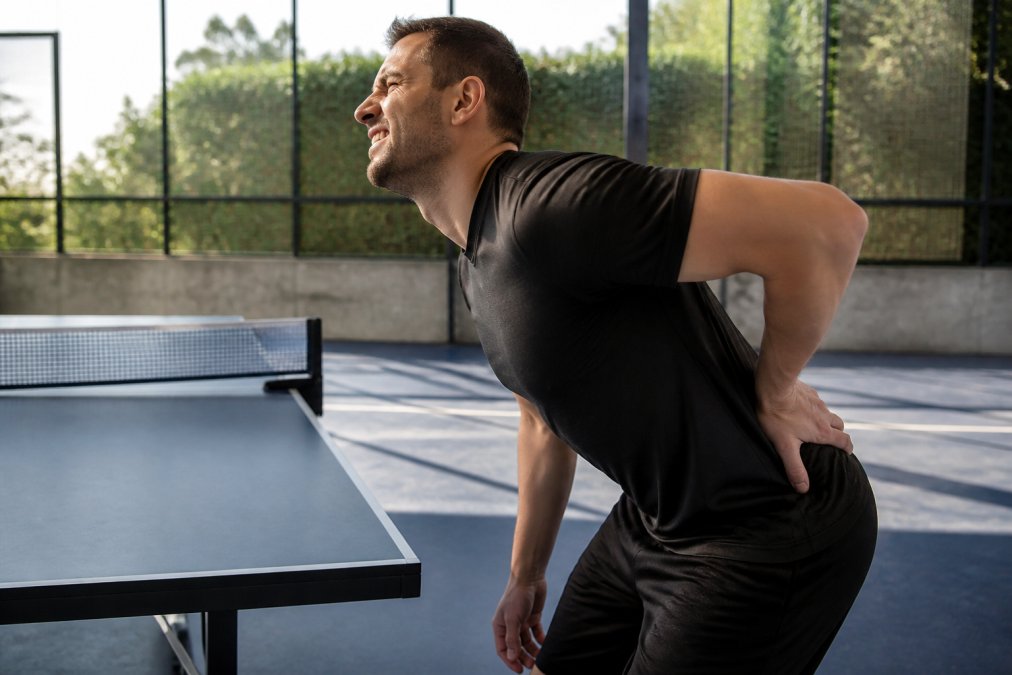
Back pain during training is one of the most common reasons athletes scale back their workouts or quit altogether. The best ways to reduce back pain start with understanding what's actually going wrong in your body, because treating the symptom without addressing the cause is a losing strategy.
Lumbar strain is the most frequent culprit. It occurs when the muscles and ligaments supporting the lumbar spine are overstretched or torn, usually from sudden loading, poor movement mechanics, or training volume that outpaces your recovery capacity. Most training-related back pain is preventable, there's almost always a pattern: a movement you're doing wrong, a muscle group you're neglecting, or a recovery habit you've skipped.
Lumbar Strain vs. Muscle Soreness: Knowing the Difference
Delayed onset muscle soreness typically peaks 24-48 hours after training and fades within 72 hours. It feels diffuse and improves with light movement. Lumbar strain is sharper, localized to one side, and worsens with specific movements like bending forward or rotating. If your back pain radiates down into your glutes or legs, that's a signal worth taking seriously. According to the American Academy of Orthopaedic Surgeons, back pain that includes leg symptoms or doesn't improve within a few weeks warrants professional evaluation.
How Muscle Imbalance and Pelvic Tilt Contribute
When your hip flexors are chronically tight and your glutes are underactive, your pelvis tips forward into an anterior pelvic tilt. This compresses the lumbar facet joints and shortens the lower back muscles, putting them under constant tension before you even pick up a weight. Addressing pelvic tilt through targeted stretching and posterior chain strengthening is often more effective than any passive treatment.
Lower Back Pain Prevention Exercises That Actually Work
The most effective lower back pain prevention exercises build the surrounding system, core stability, hip mobility, and posterior chain strength, so the lumbar spine never has to work alone.
The Big 3 for Core Stability
Spine researcher Stuart McGill identified three exercises that consistently outperform crunches and sit-ups for spinal health:
- McGill Curl-Up: Lie on your back with one knee bent, hands under the lumbar curve. Lift only your head and shoulders slightly. This activates the rectus abdominis without flexing the spine under load.
- Side Plank: Builds lateral core stability and targets the quadratus lumborum, a muscle that's almost always weak in people with chronic lower back pain.
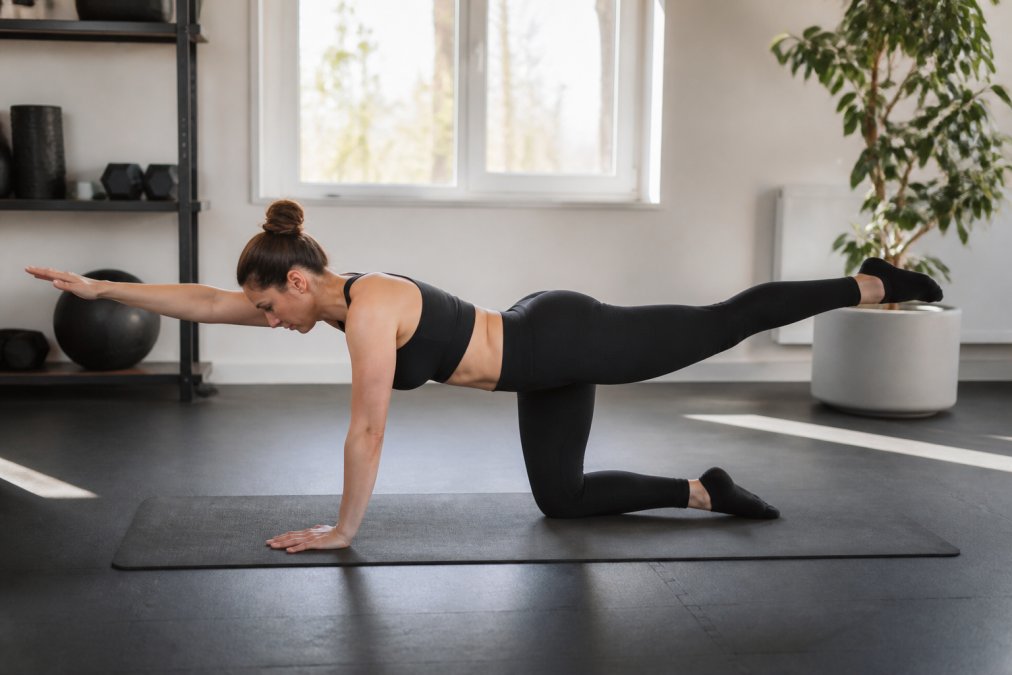
- Bird Dog: From a hands-and-knees position, extend one arm and the opposite leg simultaneously while maintaining a neutral spine. This trains anti-rotation stability and activates the multifidus, the deep spinal stabilizer most responsible for vertebral health.
Start with two sets of 8-10 reps each. These exercises are low-impact enough to do daily.
Posterior Chain Strengthening for Long-Term Spinal Health
The posterior chain, glutes, hamstrings, and erector spinae, is your spine's primary support system. Weak hamstrings and glutes force the lower back to compensate during every hip hinge movement. Romanian deadlifts, glute bridges, and hip thrusts are the most practical posterior chain exercises for athletes who want to reduce back pain. Prioritize range of motion and control over load.
Proper Lifting Form for Athletes: Protecting Your Spine Under Load
Poor lifting mechanics are responsible for more training injuries than almost any other factor. A few key principles, applied consistently, dramatically reduce the forces your lumbar spine absorbs.
Neutral Spine and Bracing Technique
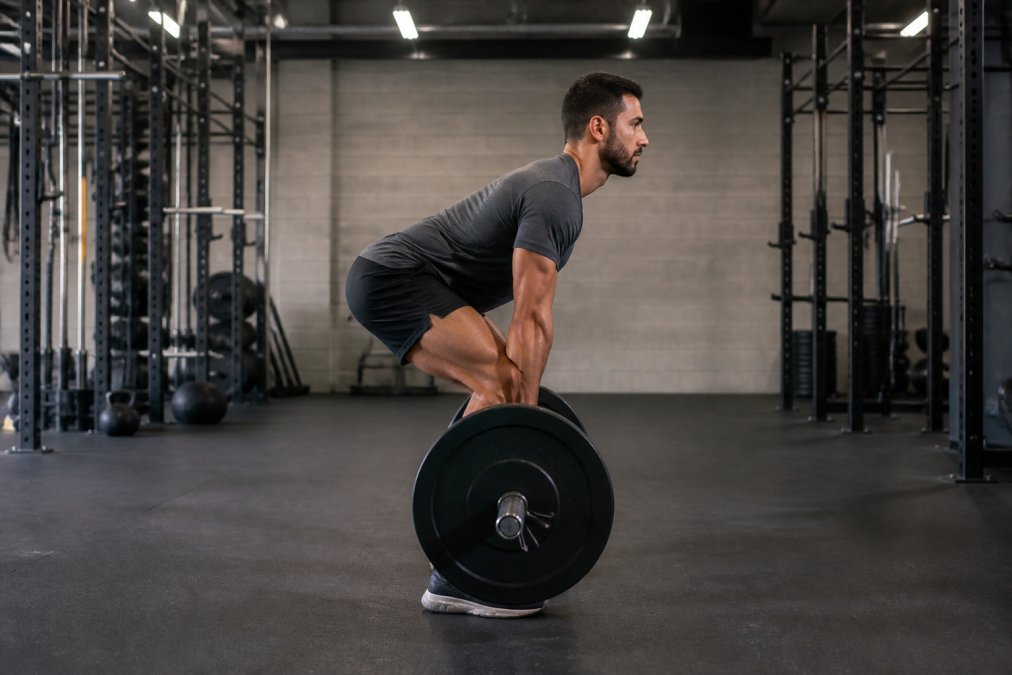
Neutral spine is the position in which the natural curves of the spine are maintained without excessive flexion or extension. For most lifts, this means a slight arch in the lower back, ribs down, and shoulders packed back. Losing neutral spine under load is where injuries happen.
Bracing technique keeps you in neutral under load. Take a deep breath into your belly, brace your core as if you're about to take a punch, and hold that brace through the entire lift. This dramatically increases spinal stability. A common mistake is breathing out at the hardest point of the lift, which collapses intra-abdominal pressure exactly when you need it most.
Equipment Modifications: Belts, Shoes, and Intra-Abdominal Pressure
Weightlifting belts give your core muscles something to brace against, which increases intra-abdominal pressure and improves biomechanical efficiency under maximal loads. Belts are most useful for near-maximal efforts in squats and deadlifts. Using a belt for every set reduces the training stimulus on your natural stabilizers and can create dependency that increases injury risk when you train without one.
Shoe selection matters more than most athletes acknowledge. Heeled weightlifting shoes increase ankle dorsiflexion, allowing a more upright torso in squats and reducing compensatory lumbar flexion. Flat shoes are better for deadlifts, where a lower heel reduces range of motion.
Warm-Up and Cool-Down Routines to Reduce Back Pain During Training
Skipping the warm-up is the most common mistake in training environments. Cold muscles and stiff joints under load are a predictable injury mechanism. A proper warm-up protocol changes the tissue properties of your muscles and prepares your nervous system for the demands ahead.
Soft Tissue Mobilization Before You Train
Soft tissue mobilization before training should focus on areas that restrict your movement patterns: thoracic spine, hip flexors, glutes, and hamstrings. A foam roller works well for the thoracic spine and glutes, spending 60-90 seconds on each area. For more targeted work, a lacrosse ball addresses trigger points in the glutes and piriformis that a foam roller can't reach. Avoid aggressive rolling directly over the lumbar spine, focus your pre-training mobilization on the joints above and below it.
Stretching Techniques and Cooldown Routine After Training
The cooldown routine is where most flexibility work should happen, not before training. Post-training stretching targets hamstring flexibility, hip flexor length, and thoracic rotation, all of which directly influence lumbar mechanics. According to the National Institutes of Health's pain management resources, consistent flexibility work for the muscles surrounding the spine is associated with reduced chronic low back pain over time.
Key stretches for a post-training cooldown: 90-90 Hip Stretch, Couch Stretch, Cat-Cow, and Seated Piriformis Stretch. Hold each stretch for 45-60 seconds.
How to Pick Up Ping Pong Balls Without Bending Over
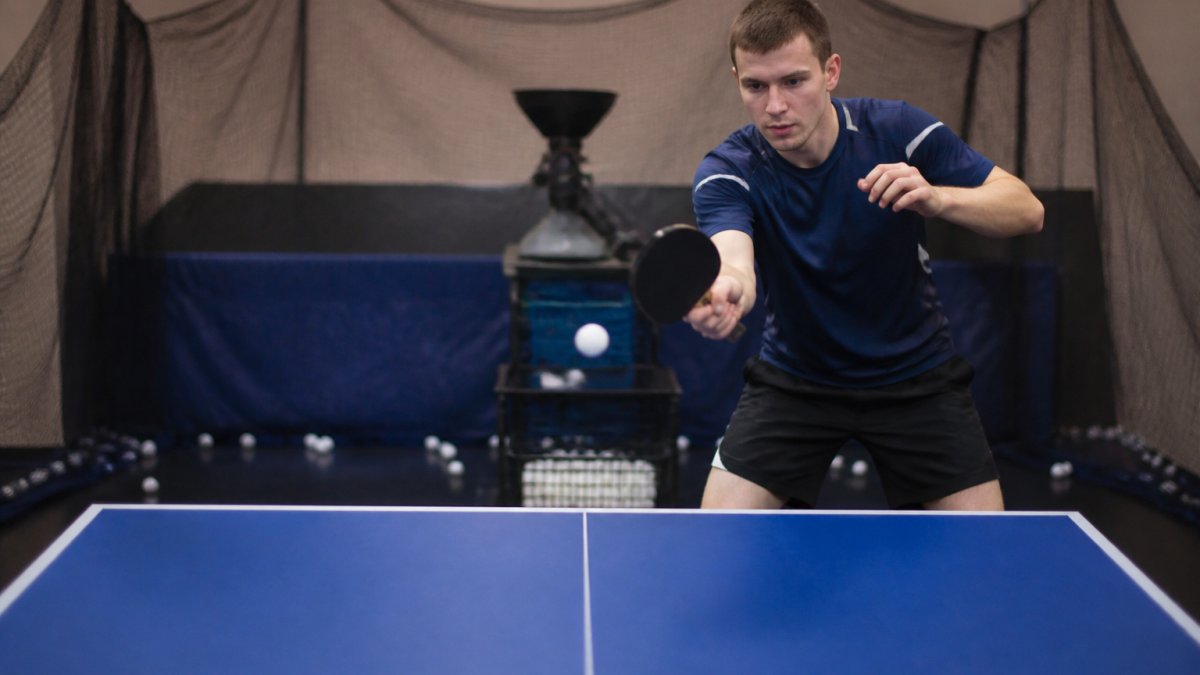
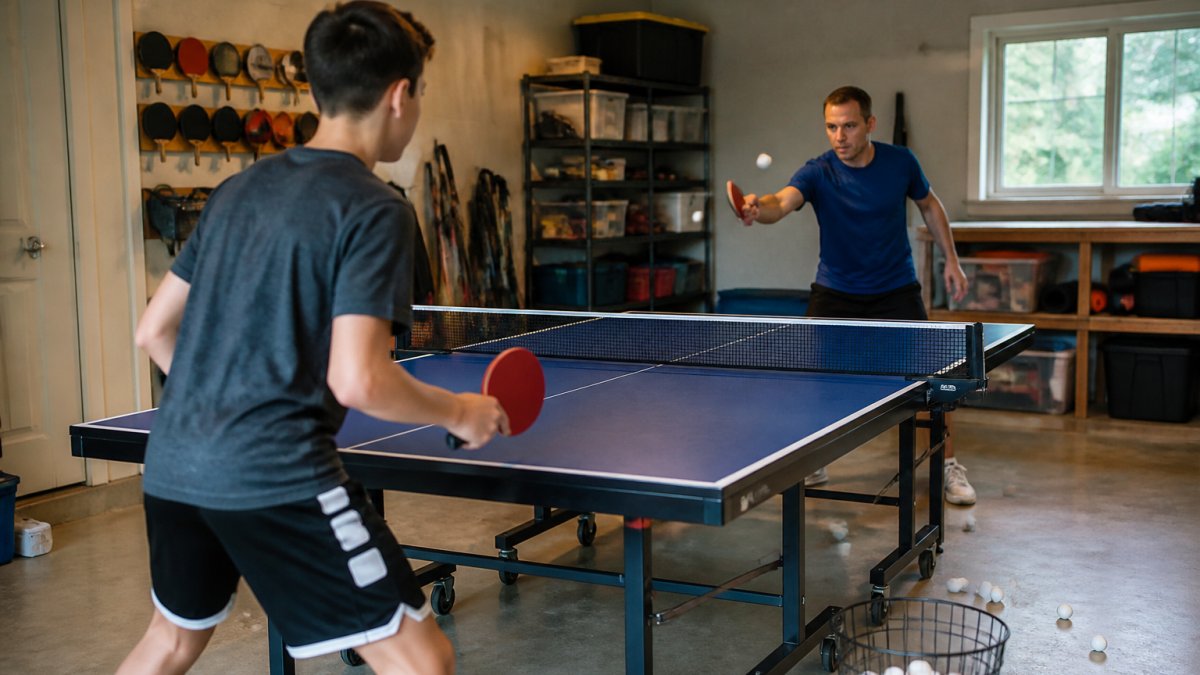
Repeated bending to collect balls during multi-ball or robot training sessions creates exactly the type of repetitive lumbar flexion that aggravates existing back conditions. A single training session with a robot can involve hundreds of ball collections. Multiply that across weeks and months of practice, and the cumulative load on your lumbar spine is significant.
The MyPingPongBuddy Ball Collector solves this directly. It features a clever, simple design with an adjustable telescoping arm that extends, allowing players of different heights to collect balls from a fully upright position. Balls pop into the net head with light downward pressure, and emptying is as simple as turning the collector upside down over a bucket or robot hopper. Real users report: "This makes cleanup SO INCREDIBLY EASY and actually kind of fun!" and "I am absolutely amazed at how usable this little thing is."
The tool is handmade for durability, breaks down in half for easy transport and storage, and is backed by a 90-day full refund return policy. If you're managing back pain and training seriously, eliminating unnecessary bending is injury management.
Post-Training Recovery and Inflammation Management
Recovery is where adaptation happens. Training is the stimulus; everything after the session is where your body either repairs and gets stronger or accumulates damage. Inflammation management after intense training is not about eliminating inflammation, some acute inflammation is part of the repair process, but about preventing it from becoming chronic and systemic.
Cold Therapy, Heat Application, and TENS for Pain Relief
Cold therapy applied within the first 24-48 hours after an acute lumbar strain reduces swelling and numbs local pain signals. After the acute phase passes, heat application increases blood flow to the area, relaxes muscle spasm, and improves tissue extensibility. Ice for new injuries, heat for chronic stiffness and muscle tightness.
TENS units (transcutaneous electrical nerve stimulation) deliver controlled electrical impulses through the skin to interrupt pain signals at the nerve level. They're portable, drug-free, and FDA-approved for chronic pain and temporary muscle aches. TENS works best as a complement to active rehabilitation rather than a standalone treatment.
Sleep Positions and Nutrition for Spinal Recovery
Sleep position has a direct impact on spinal recovery. Sleeping on your stomach forces the neck into rotation and places the lumbar spine into hyperextension for hours. Side sleeping with a pillow between the knees maintains neutral spinal alignment. Back sleeping with a pillow under the knees is equally effective.
Nutrition for spinal disc health centers on hydration and anti-inflammatory eating. Intervertebral discs are largely avascular and receive nutrients through diffusion, which depends on adequate hydration. Chronic dehydration reduces disc height and accelerates degeneration. Omega-3 fatty acids from fatty fish and walnuts have well-documented anti-inflammatory effects that support spinal structures.
The Mental Side: How Chronic Back Pain Affects Training Consistency
Chronic back pain creates a fear-avoidance cycle. Athletes who experience repeated pain begin to associate certain movements with danger, even when those movements are safe. They start self-limiting: skipping sessions, avoiding loaded exercises, reducing intensity preemptively. Over time, this deconditioning makes the underlying condition worse. Weaker muscles provide less spinal support, which increases pain, which reinforces avoidance.
According to the American Psychological Association's pain resources, fear of movement is one of the strongest predictors of disability in people with chronic low back pain, often more predictive than the severity of the physical injury itself.
Breaking this cycle requires a graded approach: gradually reintroducing load and movement in a controlled way, building confidence alongside strength. A practical starting point: identify the two or three movements that cause the most anxiety, and begin loading them at 20-30% of your normal working weight. Focus on form, breathing, and bracing technique. Progress slowly.
When to See a Doctor or Physical Therapist
Most training-related back pain responds well to the strategies covered in this guide. But some presentations require professional evaluation.
See a doctor or physical therapist if you experience:
- Pain that radiates down one or both legs, especially below the knee
- Numbness, tingling, or weakness in the legs or feet
- Back pain that follows a fall, collision, or sudden impact
- Pain that is severe enough to disrupt sleep consistently
- Symptoms that haven't improved after 4-6 weeks of conservative management
- Any loss of bladder or bowel control (this is a medical emergency)
Physical therapists who specialize in sports rehabilitation can assess your movement mechanics, identify specific muscle imbalances, and design a therapeutic exercise program tailored to your training goals. The distinction between a physical therapist and a general practitioner matters: GPs are excellent for ruling out serious pathology and managing medication. Physical therapists are the right first stop for functional rehabilitation and movement-based pain management.
| Symptom | Urgency | Recommended Action |
|---|---|---|
| General muscle soreness | Low | Rest, foam rolling, light movement |
| Localized lumbar ache after training | Low-Medium | Form check, core strengthening, monitor 1-2 weeks |
| Pain radiating to glutes or hamstrings | Medium | See physical therapist within 1-2 weeks |
| Pain radiating below the knee | High | See doctor or PT within a few days |
| Numbness or weakness in legs | High | See doctor promptly |
| Loss of bladder or bowel control | Emergency | Emergency medical care immediately |
Chronic back pain during training is a solvable problem for most athletes, but it requires addressing movement mechanics, recovery, and training load together. Whether you're a competitive table tennis player dealing with repetitive lumbar strain or a coach spending hours on the court, small changes compound quickly. MyPingPongBuddy's ball collector eliminates one of the most overlooked sources of repetitive back stress for table tennis players, the constant bending during cleanup, with a handmade design. Pair it with the core stability work, proper lifting mechanics, and recovery strategies covered here, and you have a complete framework for training without pain holding you back. Visit MyPingPongBuddy to learn more and get started.
Frequently Asked Questions
What is the difference between muscle soreness and a lumbar strain?
Muscle soreness typically develops 24-48 hours after training, feels dull and achy across a broad area, and fades within a few days. A lumbar strain feels sharper, often appears immediately or within hours of a specific movement, and may include localized tenderness, stiffness, or pain that radiates. If discomfort limits your range of motion significantly or does not improve within a week, that is a signal to stop training through it and consult a physical therapist or physician.
Should I still work out if my back is sore?
Mild general soreness usually does not require complete rest. Low-impact movement like walking, gentle stretching, or therapeutic exercise can actually support recovery by increasing blood flow. However, if the soreness is sharp, one-sided, or accompanied by tingling down the leg, skip training that day. Modifying workout intensity and avoiding heavy loading through the lumbar spine while sore is the safer approach to staying active without aggravating an injury.
How does repetitive bending affect long-term spinal health?
Repeated forward flexion under load, or even unloaded bending dozens of times per session, places cumulative stress on spinal discs and the surrounding soft tissue. Over time this can contribute to disc degeneration, lumbar strain, and chronic inflammation. For table tennis players and coaches collecting balls during multi-ball drills, eliminating unnecessary bending with a ball collector tool is a practical way to protect vertebral health and reduce that cumulative daily load on the lower back.
What are the Big 3 exercises for lower back pain?
The Big 3, developed by spine researcher Dr. Stuart McGill, are the curl-up, the side plank, and the bird-dog. Each targets core stability without placing excessive flexion stress on the lumbar spine. The curl-up braces the anterior core, the side plank builds lateral stability, and the bird-dog trains the posterior chain while reinforcing neutral spine. Performed consistently, these three movements form a solid foundation for lower back pain prevention and long-term spinal health.