 how-to
Simple Ways to Organize Table Tennis in 2026
Table of Contents
- Organize Table Tennis Gear and Space in Minutes
- Table Tennis Training Equipment for Small Spaces
- How to Host a Ping Pong Tournament Without the Stress
- Table Tennis Tournament Bracket Templates That Save Time
- Simple Ball Cleanup and Equipment Maintenance
- Budget-Friendly DIY Logistics for Clubs and Homes
- Conclusion
- Frequently Asked Questions
Last Updated: September 17, 2026
Organize Table Tennis Gear and Space in Minutes
Most players lose ten minutes before they even hit a ball. They dig through a closet for paddles, untangle a net, and chase loose balls across the floor. Learning simple ways to organize table tennis fixes that fast. This guide from MyPingPongBuddy covers the routines, storage ideas, and tournament tips that keep play moving.
The 5-Minute Reset Routine
A five-minute reset after each session keeps your space ready for the next one. Do it while you cool down, not later.
- Collect every ball into one bin
- Wipe paddles with a dry cloth
- Fold and bag the net
- Return balls, paddles, and scoreboard to their labeled spot
- Do a quick floor sweep for strays
Storage That Works for Daily Play
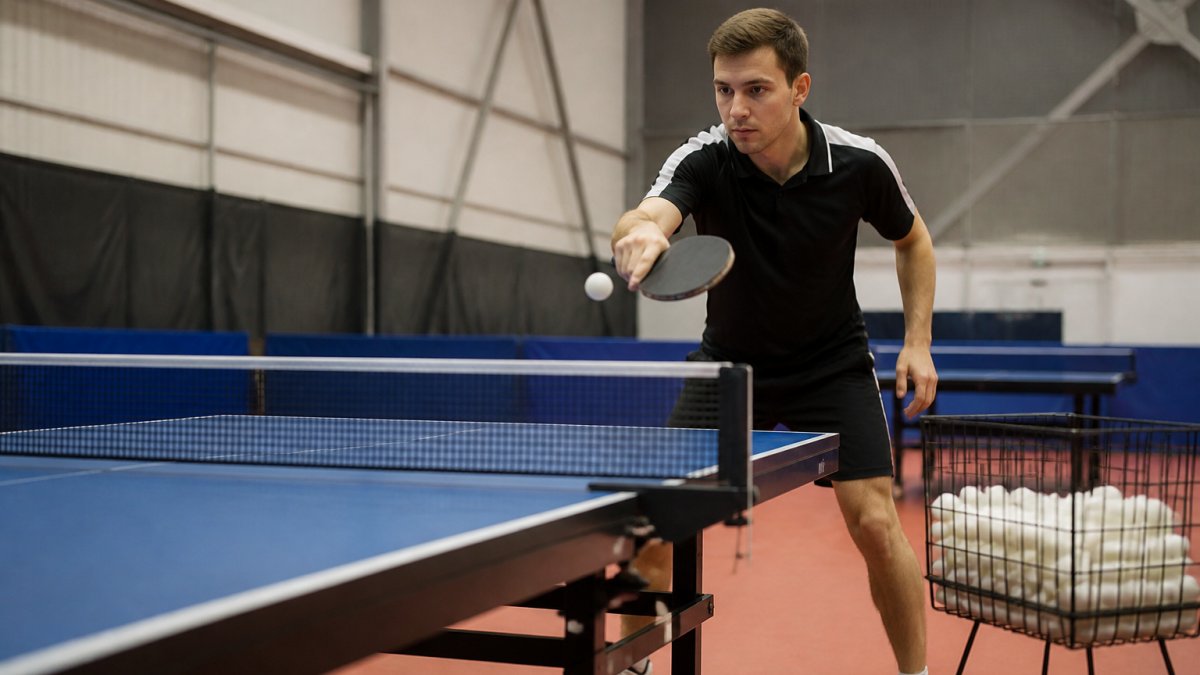
Daily players need storage that survives constant use. Open bins beat sealed boxes because you can grab a paddle without unpacking everything.
- Use a three-tier cart: balls on top, paddles in the middle, nets below
- Label each bin with a permanent marker
- Keep a spare net and two spare paddles on hand
- Mount a wall rack if floor space is tight
Table Tennis Training Equipment for Small Spaces
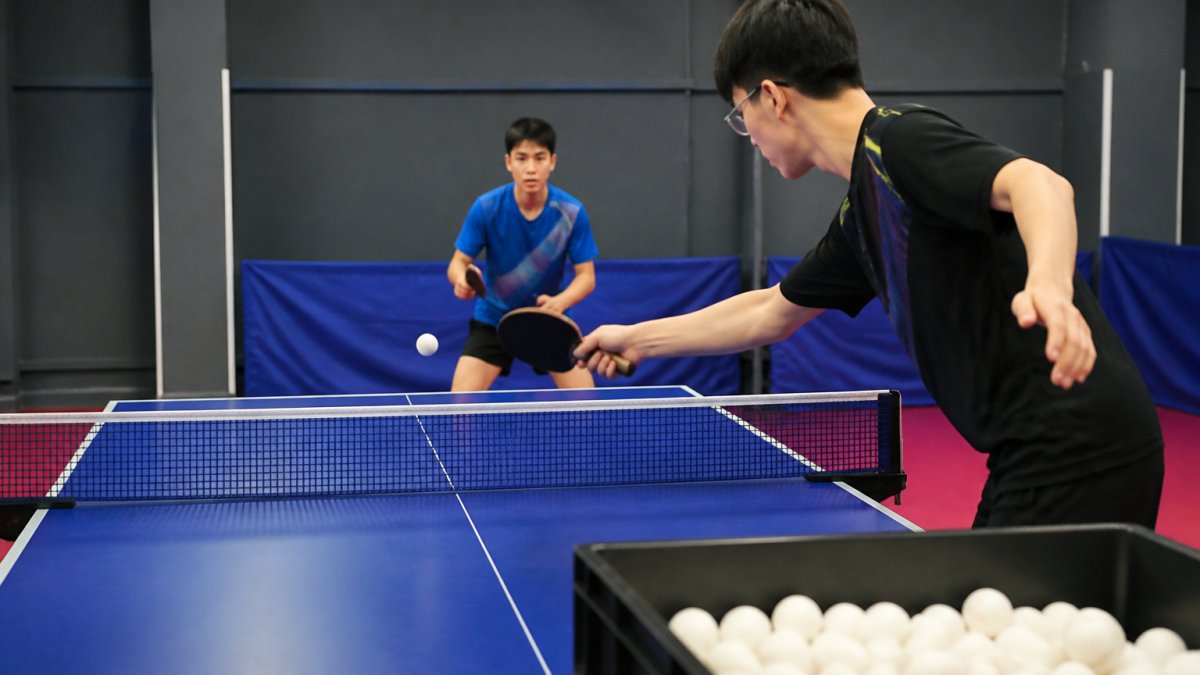
Small rooms still fit serious training. The key is picking gear that folds, stacks, or rolls away. Table tennis training equipment for small spaces should serve double duty: it trains hard and stores small.
Robot and Multi-Ball Setup in Tight Rooms
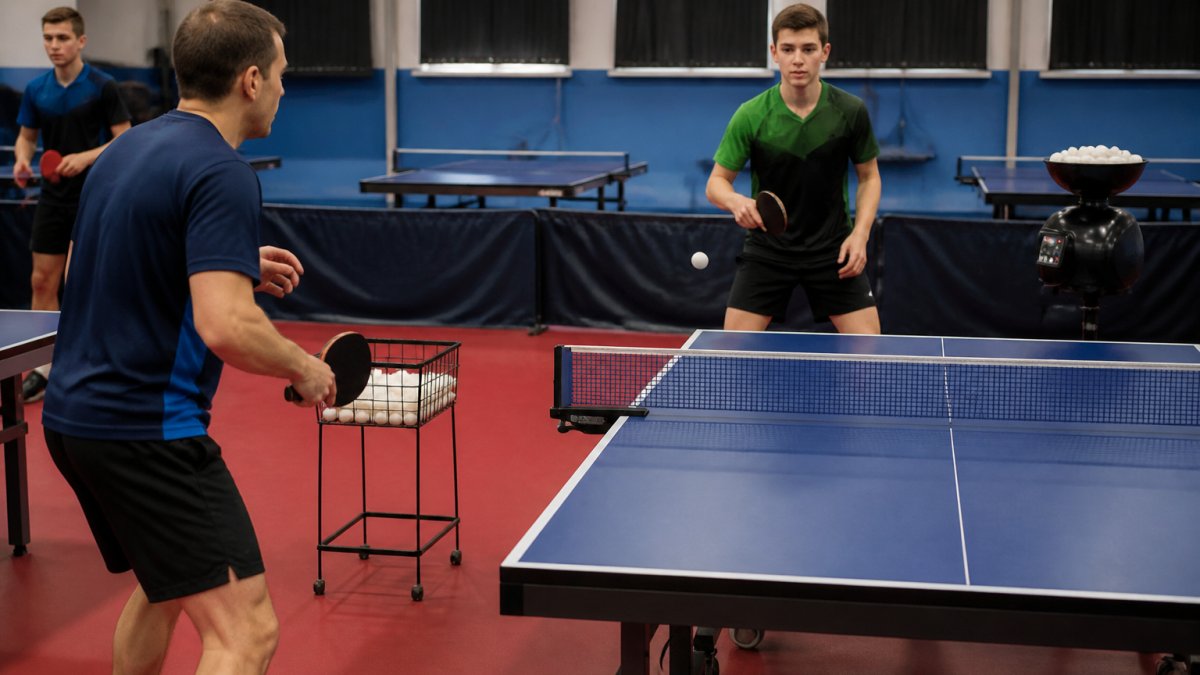
A ball robot needs roughly two feet behind the table for its arc. Place it at the far end, angled across the table for variety.
- Fold the robot's net when not in use
- Store balls in a rolling bin, not a box
- Mark the robot's spot with tape so setup takes seconds
- Keep a spare battery or cord within reach
How to Host a Ping Pong Tournament Without the Stress
A good tournament runs on four decisions: format, schedule, communication, and dispute rules. Get those right and the rest handles itself. Here's how to host a ping pong tournament that players actually enjoy, without a clipboard full of math.
Pick a Format: Round Robin, Single Elimination, or Double Elimination
Each format fits a different crowd and timeline. The trade-off is always the same: more matches means more fairness but more court time.
- Round robin: Everyone plays everyone. Best for small groups of 6-8. A round robin with 8 players produces 28 matches. At 15 minutes each on one table, that's seven hours, so run it across two tables or trim to a 6-player draw (15 matches).
- Single elimination: Lose once and you're out. A 16-player draw needs only 15 matches, so it fits a single afternoon on one table. Fast and dramatic, but the lowest fairness.
- Double elimination: Lose twice before you're out. A 16-player draw runs about 30 matches, roughly double single elimination, but keeps players in the event far longer.
| Format | Best For | Matches (16 players) | Time on 1 Table | Fairness |
|---|---|---|---|---|
| Round robin | 6-8 players | 15-28 | 4-7 hours | Highest |
| Single elimination | 16+ players | 15 | ~4 hours | Lowest |
| Double elimination | 8-16 players | ~30 | ~7 hours | High |
Schedule Matches and Communicate with Players
Post the schedule before the event, not on the day. Players plan around it, and a published bracket heads off most "when do I play?" questions.
- Share the bracket by email or group chat the night before
- List match times in 15-minute blocks
- Name a tournament director to settle disputes
- Announce the tie-breaker rule up front
Handle On-Court Disputes Before They Escalate
Most tournament stress isn't logistics, it's two players disagreeing about a call. Planning guides rarely cover this, but it's where events actually go sideways. A short pre-event briefing prevents most of it.
- Service rules: Remind players that the ball must be tossed at least 6 inches up and struck behind the end line. Casual players serve illegally all the time; call it early and consistently.
- Let calls: A let is a rally that's replayed with no point awarded, most often when the ball clips the net on a serve (Basic Rules of Table Tennis). Agree in advance that the receiving player makes the let call on serves.
- Edge balls: If players can't agree whether a ball hit the edge, replay the point. It's faster than arguing and keeps the match moving.
- The director's call is final: Name one person as the authority and back them publicly. A single decision-maker ends disputes in seconds; a committee of bystanders never does.
Table Tennis Tournament Bracket Templates That Save Time
Bracket templates remove the math from tournament day. This is the gap most planning guides skip: they tell you to "make a bracket" without naming a tool or showing the setup. Here's the practical version.
Free Digital Tools That Build the Bracket for You
You don't need paid software. A few free options cover almost every casual event:
- Challonge: Free tier supports single and double elimination, round robin, and group stages. You enter names, it seeds the bracket, tracks standings, and updates live on a shareable link players can open on their phones.
- PrintYourBracket: Free printable single and double elimination templates in PDF. Best when you want a paper bracket on the wall and no accounts.
- Google Sheets: A shared sheet with columns for player, seed, and result works for round robin. Sort by wins, then point difference, and the standings update themselves.
- Tournament bracket apps for phones: Several free apps let players report scores directly, which cuts the time you spend walking between tables.
Set Up a Digital Bracket in Five Steps
- Create the tournament and pick the format (single elimination is the default for casual play).
- Enter player names and assign seeds, top players first.
- Let the tool place byes automatically in odd-numbered draws.
- Share the bracket link by group chat so players can follow along.
- Update results after every match; the tool recalculates standings and the next round instantly.
Paper Brackets: When They Still Win
Paper still beats software in three situations: no reliable Wi-Fi, a single table with a small draw, and events where phones are discouraged. Print two copies, one for the wall, one for the desk, and update results with a marker after every match.
- Seed your top players first
- Give byes to the highest seeds in odd-numbered draws
- Print two copies: one for the wall, one for the desk
- Update results after every match
Simple Ball Cleanup and Equipment Maintenance
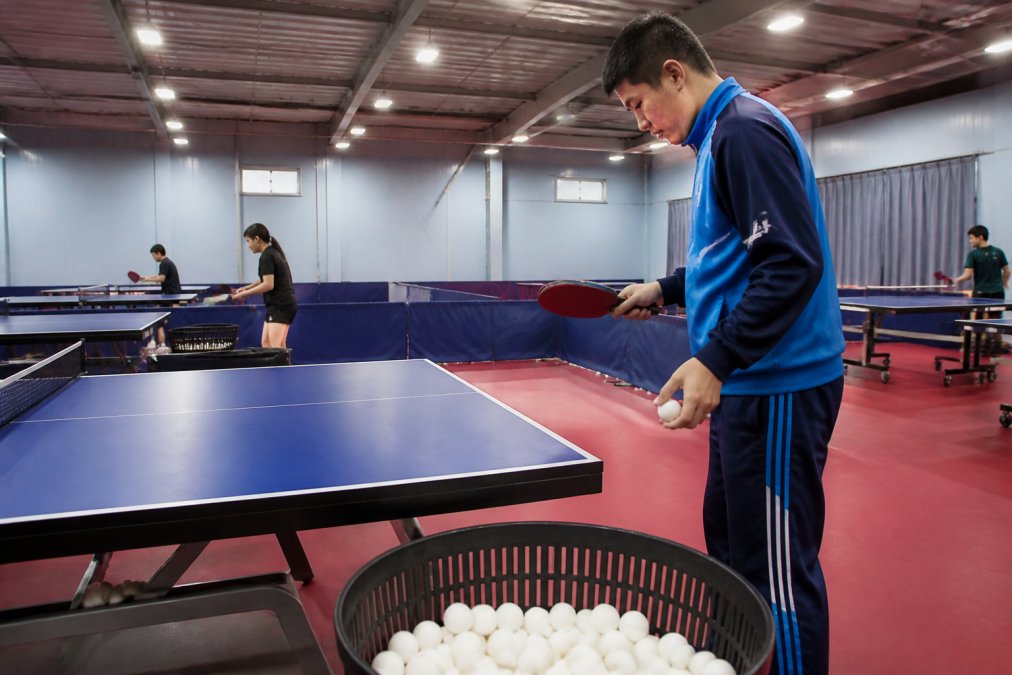
Cleanup is where most organizers lose time and energy. Bending to pick up hundreds of balls after a session wears down players, coaches, and club staff alike. MyPingPongBuddy offers a handmade scoop that gathers balls without the bend, and it breaks in half for easy transport.
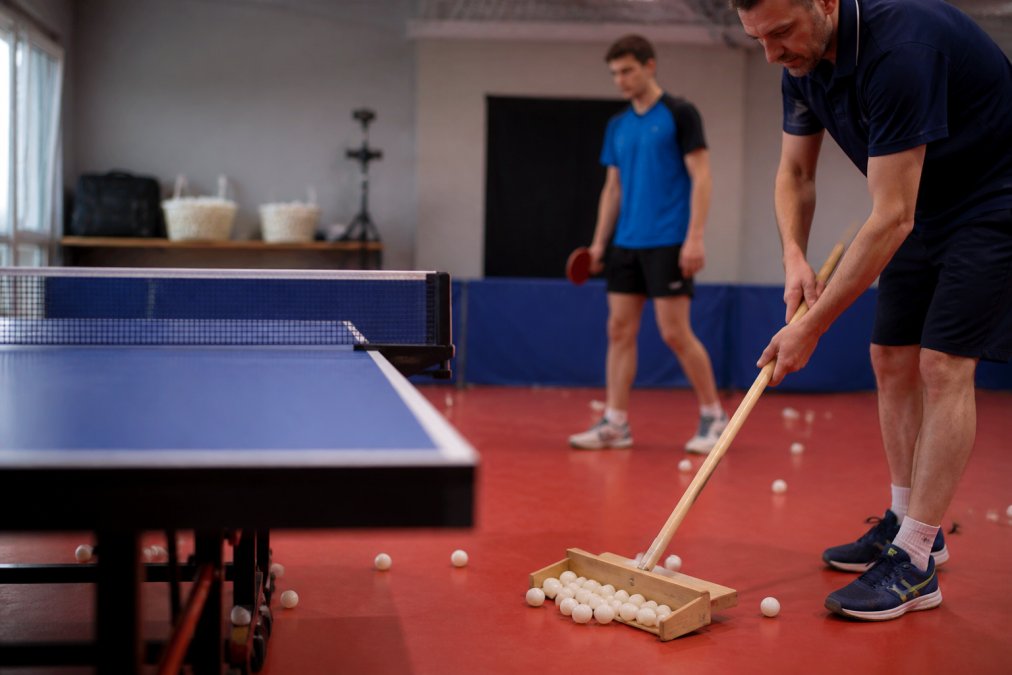
Maintenance keeps gear alive longer:
- Wipe paddles after every session to protect the rubber
- Store paddles flat, never under heavy gear
- Check nets for sag before each event
- Replace cracked balls immediately, they bounce unpredictably
Budget-Friendly DIY Logistics for Clubs and Homes
You don't need fancy gear to run a smooth event. Budget-friendly logistics come down to planning, not spending.
- Use masking tape to mark court boundaries
- Print brackets at home instead of ordering custom boards
- Ask players to bring their own paddles
- Borrow tables from members for large events
- Assign one volunteer per four tables for cleanup
Conclusion
Running table tennis well comes down to systems, not stuff. A five-minute reset, a clear format, and a scoop that saves your back will do more than any expensive gear. MyPingPongBuddy offers a handmade ball scoop that breaks in half for transport, eliminates bending during cleanup, and is backed by a 90-day full refund return policy. Clubs and players across the country already use it to keep sessions moving.
Frequently Asked Questions
What are the basic rules of table tennis for beginners?
Basic table tennis rules for beginners include serving diagonally, letting the ball bounce once on your side and once on your opponent's side, and scoring a point when your opponent misses. Games are typically played to 11 points, and you must win by two. For casual play, focus on keeping the ball on the table and having fun. Simple ways to organize table tennis sessions start with agreeing on these rules before you play.
How do you set up a simple table tennis tournament bracket?
To set up a simple bracket, choose single elimination for speed or round robin for more matches. Use free online bracket software or a printable template. Seed players based on skill, then schedule matches with clear times. For small groups, a round robin format ensures everyone plays multiple games. Table tennis tournament bracket templates make this easy: just fill in names and track winners. Keep a visible standings board so players know what's next.
How can I keep my table tennis area organized and clutter-free?
Start with a dedicated storage bin for balls, paddles, and nets. Use wall hooks for paddles and a small shelf for towels and water bottles. After each session, spend five minutes returning everything to its place. For ball cleanup, a scoop tool speeds up the process and reduces bending. In small spaces, foldable tables and stackable storage help. Simple ways to organize table tennis include labeling bins and keeping a cleaning caddy nearby.
What equipment is essential for organizing a table tennis practice session?
Essential equipment includes a table, net, paddles, and balls. For practice, a ball scoop or collector saves time during multi-ball drills. A robot or training partner helps with consistency. If space is tight, consider a compact robot and a portable scoop that breaks down. Table tennis training equipment for small spaces includes foldable tables, retractable nets, and storage carts. Always have spare balls and a first-aid kit on hand.