 comparison
What to Look for in a Portable Ball Collector
Table of Contents
- Key Features That Define a Portable Ball Collector
- Understanding Table Tennis Ball Picker Design Types
- Capacity and Dimensions for Table Tennis Ball Collector Portability
- Portability and Storage: Breaking Down Your Ball Collector
- Durability and Material Quality for Long-Term Use
- Ball Pickup Efficiency Across Different Court Surfaces
- Multi-Ball Table Tennis Practice: Choosing the Right Collector for Training
- Ergonomics, Accessibility, and Ease of Use
- Frequently Asked Questions
Last Updated: October 8, 2026
Key Features That Define a Portable Ball Collector
When you're shopping for a portable ball collector, you're looking for a tool that saves time, reduces strain, and actually works across different court surfaces. A good portable ball collector combines smart design with practical durability, it needs to pick up balls consistently without jamming, hold enough capacity to justify the cleanup time, and transport easily from court to court or storage to storage.
The best portable ball collectors share a few core traits. They have a reliable pickup mechanism that doesn't require perfect ball positioning. They're lightweight enough to carry or push for extended periods. They break down or fold for transport. And they handle both regulation table tennis balls and practice balls without fussing.
At MyPingPongBuddy, we've designed our portable ball collector with these principles in mind. Our handmade tool breaks down in half for easy transport and uses a simple scoop mechanism that eliminates bending.
Understanding Table Tennis Ball Picker Design Types
Not all portable ball collectors work the same way. The design you choose affects how quickly you can clear a court, how much physical effort the job requires, and how much storage space you need.
Handheld Scoop Collectors
Handheld scoops are the simplest design: a curved basket or tube at the end of a handle that you push forward to scoop up balls. They require you to bend slightly and push the scoop along the court surface. The pickup works through the scoop's shape, as you push, balls roll into the basket.
These designs excel when you need portability above all else. They're light, compact, and require no setup. They work on any surface. The trade-off is effort: you're doing the work of moving the scoop and controlling the collection. For a coach running a quick warm-up or a player doing solo practice cleanup, a handheld scoop is often the right choice.
MyPingPongBuddy's design falls into this category, with one key difference: the scoop mechanism is optimized to pick up balls with minimal bending, making it accessible for players with back issues or mobility concerns.
Tube and Basket Designs
Tube collectors use a vertical tube that you push down over balls to trap them inside. Basket designs use a wire or mesh basket that you push along the floor. Both rely on the collector's shape to contain balls as you move.
Tube designs often have higher pickup success on smooth surfaces but can struggle on textured courts where balls don't roll smoothly into the tube. Basket designs distribute the collection across a wider area, which can be faster for scattered balls but requires more floor contact.
These designs typically require more storage space than scoop collectors. They're still portable, but they don't collapse or break down as compactly.
Wheeled and Push-Style Collectors
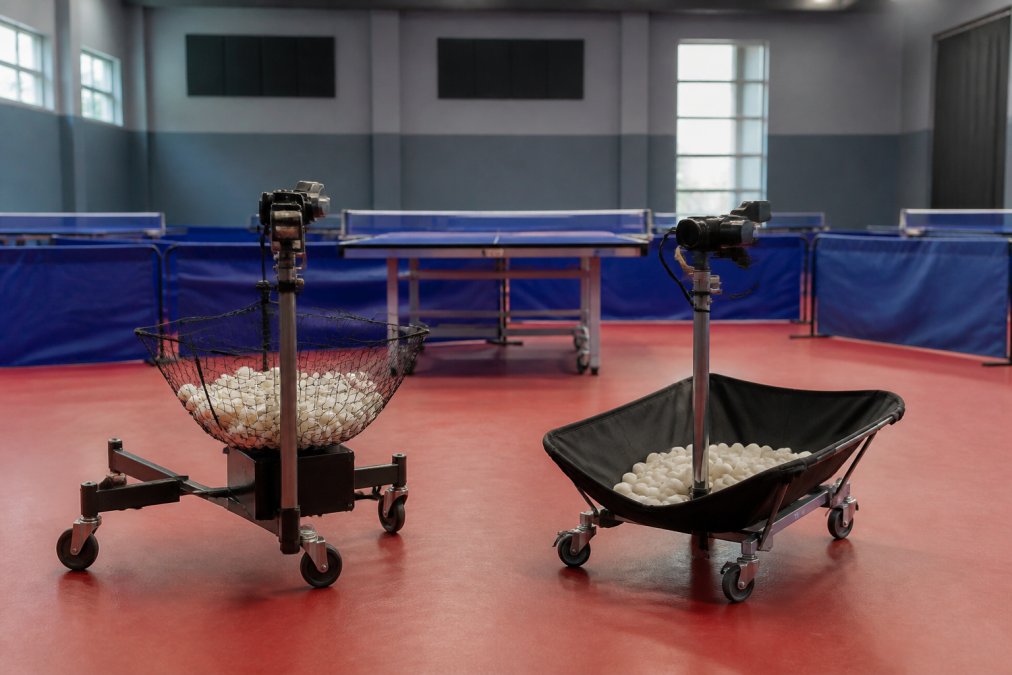
Wheeled collectors use rolling wheels and a basket or hopper to gather balls as you push them across the court. Some use a motorized mechanism to collect balls into a hopper. These designs reduce physical effort significantly, you're mostly pushing rather than scooping or bending.
The advantage is speed and reduced fatigue during high-volume collection. The disadvantage is complexity: wheels can jam, motors need batteries, and setup takes longer. For a facility collecting hundreds of balls daily, the speed gain often justifies the added maintenance.
Capacity and Dimensions for Table Tennis Ball Collector Portability
Capacity matters more than you might think. A 20-ball collector means you're emptying constantly during multi-ball training. A 50-ball collector gives you breathing room. A 75-ball collector (like the Wilson 75 Ball Basket) handles serious volume without constant trips to the ball hopper (75 Ball Pick-Up Hopper).
The right capacity depends on your use case. Solo players doing practice cleanup can work with smaller capacity. Coaches running group sessions need at least 40-50 balls before emptying becomes a bottleneck.
Dimensions and weight affect portability directly. A compact scoop that breaks in half fits in a gym bag. A wheeled collector with a large hopper needs dedicated storage space. If you're transporting your collector between locations, smaller and lighter wins.
MyPingPongBuddy's portable ball collector breaks down in half for transport, which means it fits in tight storage areas and travels easily.
Portability and Storage: Breaking Down Your Ball Collector
Portability isn't just about weight, it's about how the tool fits into your actual workflow. Does it break down? Does it require tools to assemble? Can you carry it one-handed or does it need both hands?
The best portable designs either fold, collapse, or break into two pieces. This matters because you're not always using the collector on the court, you're storing it, transporting it, and retrieving it.
Storage considerations also affect durability. A collector that hangs on a wall stays cleaner and lasts longer than one stacked in a corner. A tool that breaks down can be stored in a protective bag, which shields it from moisture and damage.
For clubs and facilities, portability across courts matters. A lightweight, breakable design lets you move the collector between tables without a separate trip. For home players, storage space in a closet or garage is the real constraint.
Durability and Material Quality for Long-Term Use
A portable ball collector takes impact, pressure, and friction every time you use it. Poor materials fail within a season. Good materials last years.
The best portable collectors use aluminum alloy or reinforced PVC for the body, with durable handle construction that doesn't crack. Handmade construction typically means tighter tolerances and better material selection than mass-produced alternatives.
Look for collectors where the scoop or basket is reinforced at stress points, the corners where the handle meets the body, the edges of the pickup mechanism, and any moving parts. These areas take the most wear.
MyPingPongBuddy's handmade construction emphasizes durability. The simple design means fewer parts to fail. The 90-day full refund policy backs up the quality promise, if the tool doesn't perform, you get your money back.
Ball Pickup Efficiency Across Different Court Surfaces
Not all court surfaces are equal. A smooth hardwood court is forgiving. A textured or slightly worn surface is harder. A carpeted practice area presents different challenges.
Handheld scoop collectors work across all surfaces because they use gravity and the scoop's shape rather than relying on balls rolling a certain way. Wheeled collectors sometimes struggle on textured surfaces where balls don't roll smoothly into the hopper. Tube designs work best on smooth, hard surfaces.
Pickup efficiency also depends on ball scatter. Balls clustered in one area are faster to collect than balls scattered across the entire court. A good portable collector handles both scenarios without jamming or requiring repositioning.
The best test for a portable ball collector is real-world use: Does it pick up balls consistently without you having to reposition them? Does it work on your specific court surface? Can you operate it for 10-15 minutes without fatigue?
Multi-Ball Table Tennis Practice: Choosing the Right Collector for Training
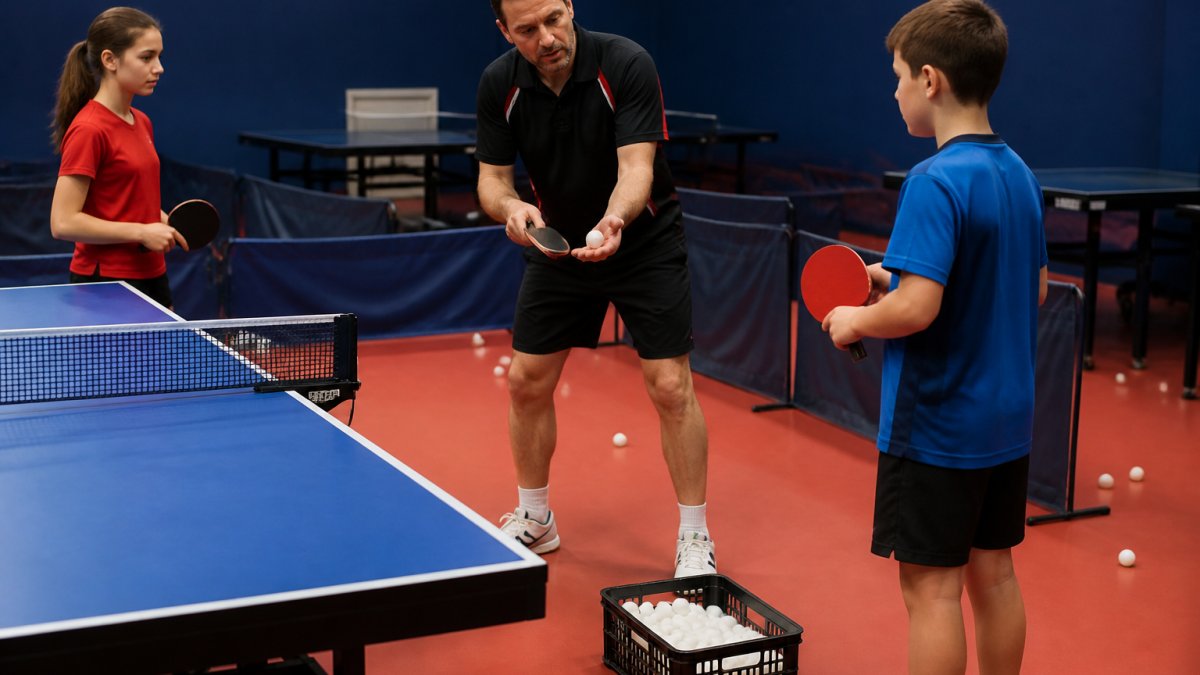
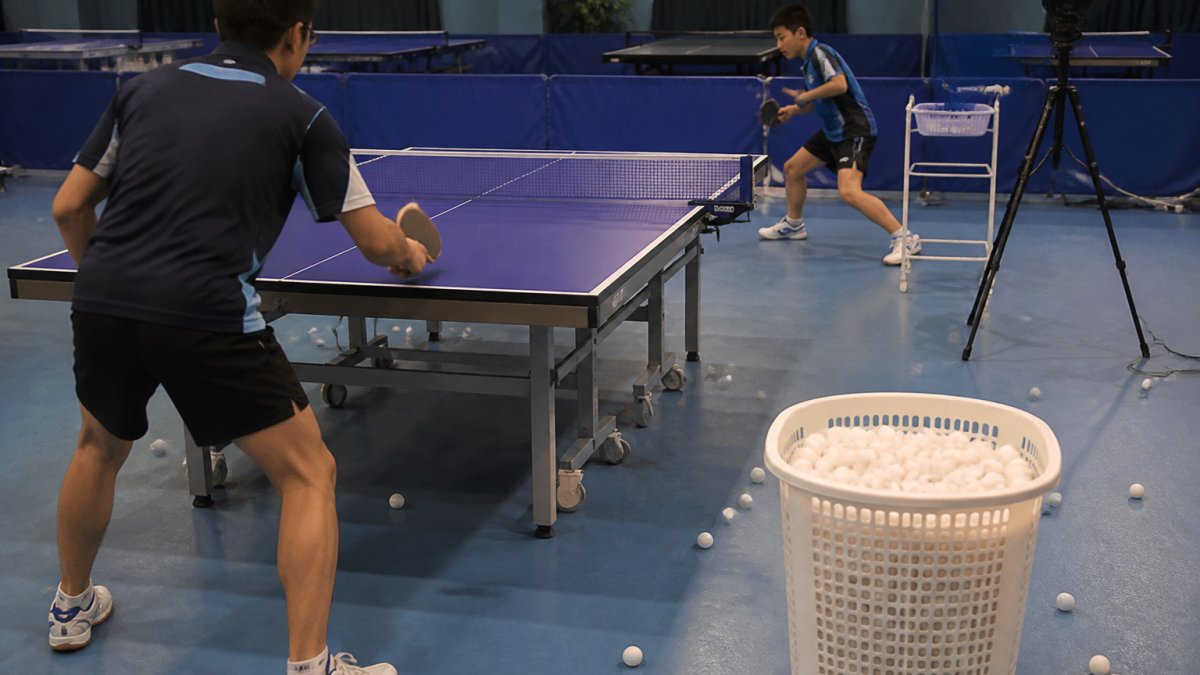
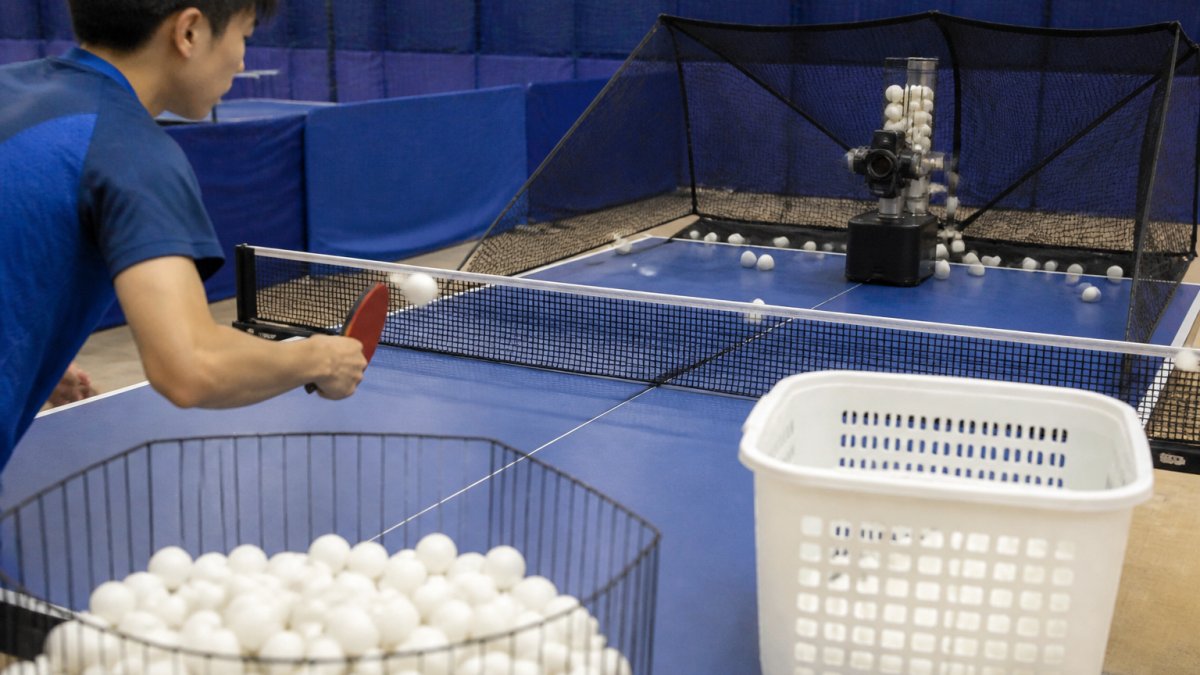
Multi-ball training generates a lot of scattered balls. A coach feeding balls from a basket might have 30-50 balls in play at once. When the drill ends, all those balls need collection. A slow collection process eats into training time.
The right portable ball collector for multi-ball training reduces downtime and keeps players focused on technique rather than cleanup. It needs to handle volume quickly without requiring the coach to bend constantly or spend mental energy on the collection process.
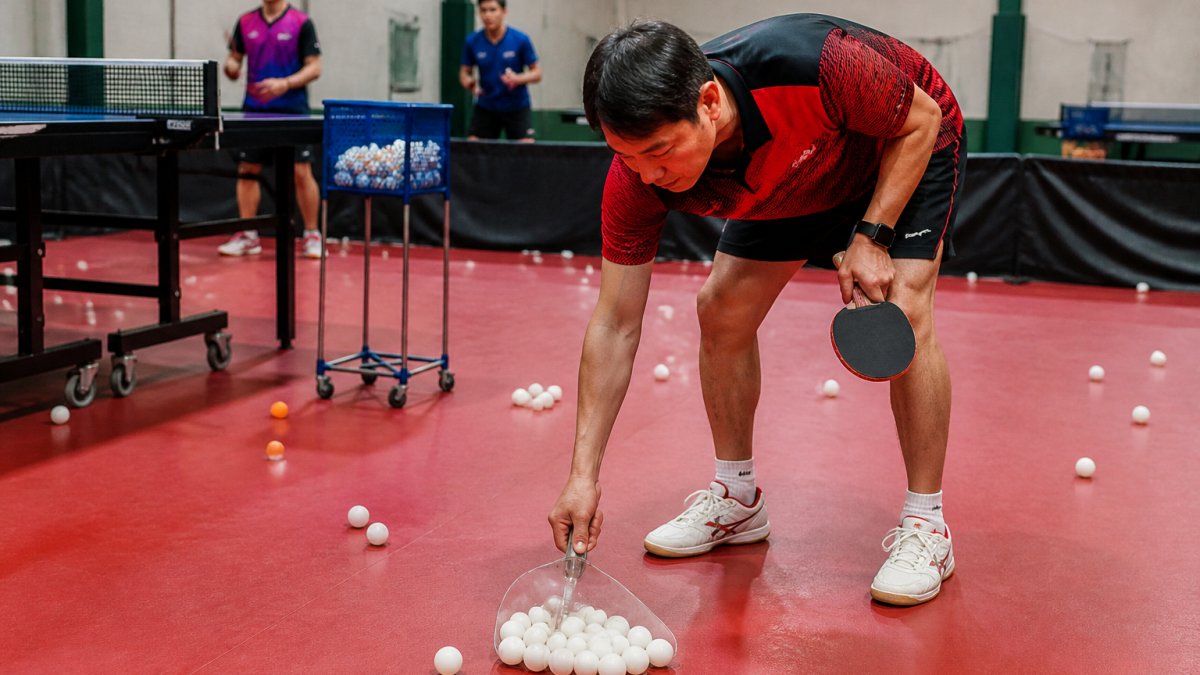
For Coaches Running High-Volume Sessions
High-volume sessions demand speed and capacity. You're collecting hundreds of balls across multiple drills. A wheeled collector with 75+ capacity makes sense here, the speed gain justifies the extra size and complexity. You're also likely to have dedicated storage space at your facility.
If you prefer a simpler tool, a large handheld scoop with good pickup efficiency reduces bending and keeps you mobile. The trade-off is more frequent emptying, but the simplicity and portability might outweigh that cost.
Efficiency matters here because every minute spent collecting is a minute not spent coaching. A tool that picks up balls reliably without jamming or requiring repositioning saves time across dozens of drills.
For Home Players and Small Group Training
Home players and small group coaches often prioritize portability and storage over raw capacity. You're collecting 20-40 balls, not 200. A compact, breakable design that stores in a closet or gym bag is more valuable than a large wheeled collector that needs permanent floor space.
MyPingPongBuddy's portable ball collector is designed specifically for this scenario. It breaks in half for transport and eliminates bending, which matters if you're training multiple times a week and want to avoid back strain. The simple scoop design means no batteries, no motors, no parts to maintain.
For small group training, the portability also matters because you might be moving between locations, a home table, a club, a coaching facility. A tool that travels easily adapts to your schedule.
Ergonomics, Accessibility, and Ease of Use
A portable ball collector should make cleanup easier, not harder. If the tool requires awkward positioning, constant bending, or significant physical effort, it's not solving the problem it's supposed to solve.
Ergonomic design means the handle height allows you to operate the collector without hunching. It means the scoop or pickup mechanism works at a natural angle.
Accessibility matters for players with back pain, mobility issues, or age-related limitations. A tool that eliminates bending is more accessible than one that requires you to squat or kneel.
Ease of use also covers how quickly you can learn the tool. A good portable collector works intuitively, you pick it up and understand how to use it within seconds. There's no learning curve, no technique to master.
| Feature | Handheld Scoop | Wheeled Collector | Tube Design |
|---|---|---|---|
| Portability | Excellent | Good | Good |
| Capacity | 20-40 balls | 50-75+ balls | 30-50 balls |
| Setup Time | None | 2-3 minutes | None |
| Physical Effort | Moderate | Low | Moderate |
| Storage Space | Minimal | Significant | Minimal |
| Cost | Lower | Higher | Moderate |
| Best For | Home players, small groups | Facilities, high volume | Mixed use |
Choosing the right portable ball collector comes down to matching the tool to your specific situation. If you're a home player or small group coach, prioritize portability, ease of use, and accessibility.
Frequently Asked Questions
What should you look for in a portable ball collector?
Focus on four core factors: how many balls it holds, how easily it picks them up, how portable it is (especially if you move between courts), and how long it will last with regular use. For most players, a collector that holds 30-50 balls, breaks down for transport, and uses durable materials like aluminum or reinforced PVC strikes the right balance. Consider your training style, solo practice needs differ from coaching multi-ball sessions where volume and speed matter more.
How does a table tennis ball picker compare to other collection methods?
Handheld scoops are faster and more ergonomic than bending over to pick up individual balls, but slower than wheeled collectors for high-volume cleanup. Tube-style pickers work well on flat courts but may struggle on uneven surfaces. Basket designs offer larger capacity but take up more space. The best choice depends on your court type, training volume, and storage constraints. Handmade, simple designs often have fewer parts to break.
What capacity should a table tennis ball collector have?
For home players, 30-40 balls is usually sufficient. Coaches running multi-ball drills benefit from 50-75 ball capacity to reduce collection stops during training. Facility managers with multiple tables may prefer two smaller collectors over one large one for ease of handling. Remember that a full collector becomes heavier and harder to maneuver, so balance capacity against portability and your physical comfort, especially if you have back issues.
Can a portable ball collector handle different ball types?
Most collectors work with standard regulation table tennis balls (40mm). Some designs also accommodate larger balls like pickleball or softballs if the openings are wide enough. Check the scoop or tube diameter before buying. Handheld scoops tend to be more versatile across ball sizes than tube-style collectors. If you train with multiple ball types, confirm compatibility with the specific collector you're considering.
How do I know if a ball collector is actually durable?
Look for solid construction with no visible gaps or loose joints. Materials like aluminum alloy, reinforced PVC, and thick-walled tubes resist wear better than thin plastic. A return policy or warranty (like a 90-day guarantee) signals the maker stands behind the product.