 listicle
Is a Ping Pong Ball Collector Worth It? 2026 Review
Table of Contents
- The Real Value of a Ping Pong Ball Collector
- Key Benefits: Time Savings and Back Health
- Best Ball Collector for Table Tennis: What to Look For
- Multi-Ball Training Drills: How Ball Collectors Fit In
- How to Speed Up Table Tennis Cleanup Without Constant Bending
- Manual vs. Automated Collection: Which Pays Off
- Long-Term Value: Durability, Maintenance, and ROI
- Conclusion: Is a Ball Collector Right for Your Setup
- Frequently Asked Questions
Last Updated: September 2, 2026
The Real Value of a Ping Pong Ball Collector
A ping pong ball collector transforms repetitive cleanup into genuine time savings and physical relief. If you've spent years bending to retrieve scattered balls during training, you know the toll on your lower back. The real value hinges on three factors: training frequency, balls used per session, and existing back issues. For casual players practicing once weekly, a collector might feel unnecessary. For coaches running multi-ball drills, club managers, or anyone with chronic lumbar strain, the equation shifts dramatically.
At MyPingPongBuddy, we've analyzed what separates tools that genuinely improve your training environment from those that sit unused. This guide walks you through real benefits, honest limitations, and a practical decision framework to determine whether a ball collector justifies the investment for your setup.
Key Benefits: Time Savings and Back Health
A quality ping pong ball collector delivers two measurable improvements: it eliminates repetitive bending and accelerates training pace, directly impacting how much practice you fit into a session and how your body feels afterward.
Eliminating Repetitive Bending and Lumbar Strain
The most underestimated benefit is postural. Competitive table tennis demands explosive movement and rapid directional changes. Adding dozens of bend-and-reach cycles during cleanup compounds stress on your lumbar spine. Many players don't connect end-of-session back soreness to the cleanup phase, but repetitive bending, especially during multi-ball sequences, creates cumulative microtrauma.
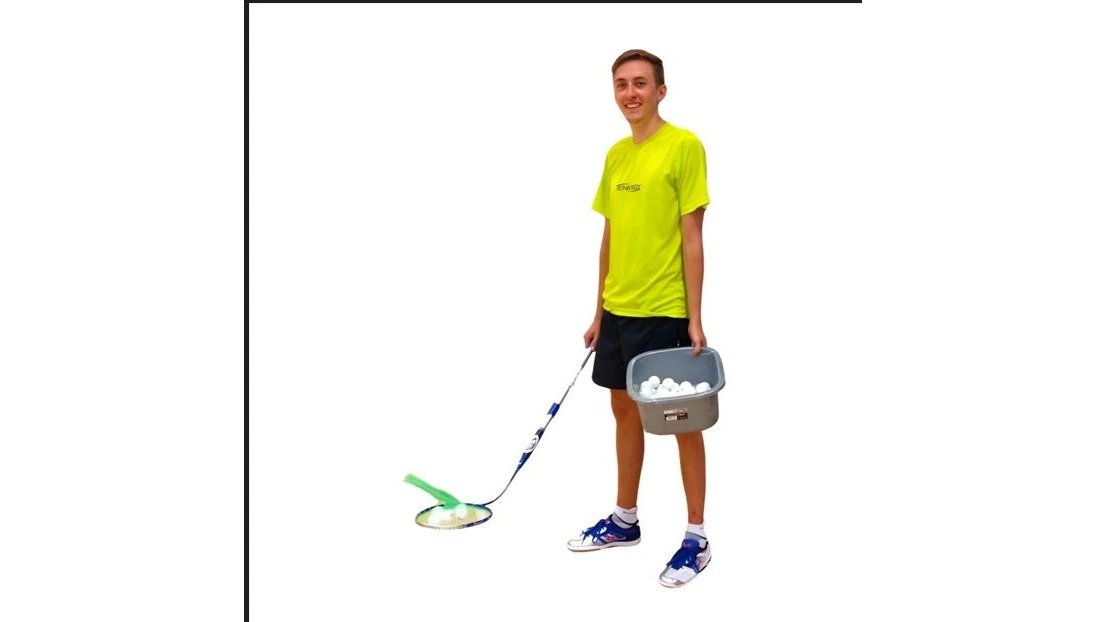
A collector eliminates this entirely. Instead of bending to floor level repeatedly, you press the collector down at a controlled angle or use a telescoping handle that keeps your spine relatively neutral. Players with pre-existing lower back pain report noticeably reduced soreness, while younger players notice they can train longer without fatigue during final sets.
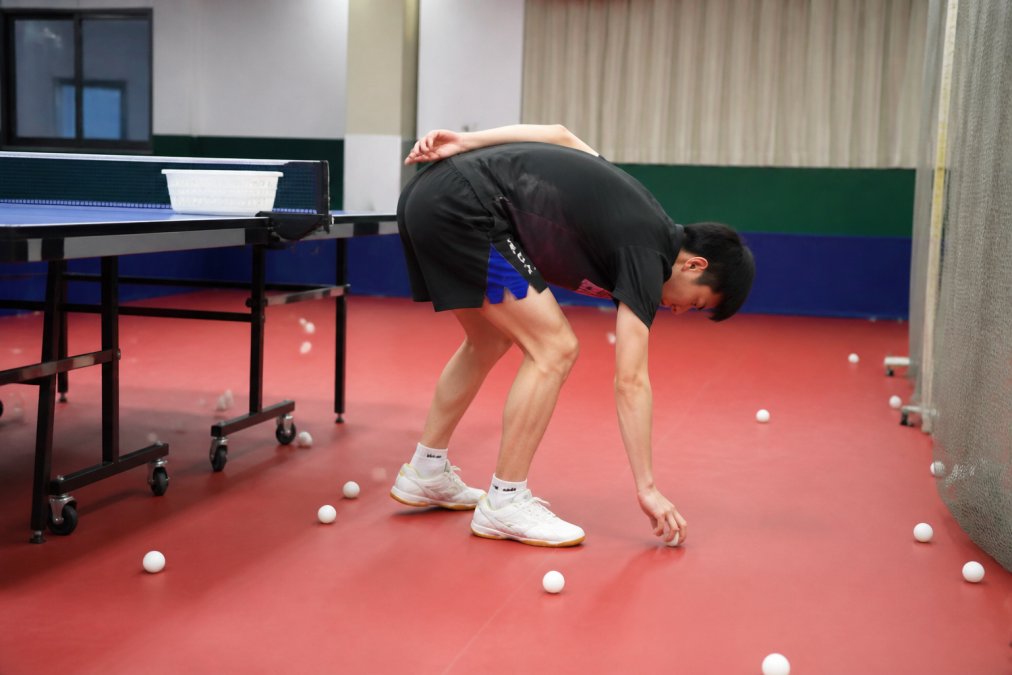
A collector's scoop or net design allows you to gather multiple balls in a single motion rather than executing dozens of individual bends, especially valuable during multi-ball training where balls scatter across the table and floor.
Measuring Practice Efficiency Gains
A typical training session involves ball collection between drills. Without a collector, you spend 3-5 minutes per session gathering balls from under tables and across the floor (peer-reviewed research). Over a week of regular training, that's 15-25 minutes of unproductive downtime. With a collector, the same task takes 60-90 seconds, reclaimed training time.
For coaches managing multiple tables, the math becomes compelling. A club with 10 tables running simultaneous multi-ball sessions can cut cleanup time from 30 minutes to 5 minutes (the CDC). The efficiency gain also improves training focus: when your athlete is mid-flow during a drill, stopping to hunt for scattered balls disrupts rhythm and concentration. A collector kept courtside allows quick floor clearing without breaking momentum.
Best Ball Collector for Table Tennis: What to Look For
Not all collectors are created equal. Design, capacity, and durability significantly impact whether a tool becomes indispensable or unused.
Design and Durability Standards
The most effective designs fall into two categories: press-in collectors and net-based retrievers. Press-in designs tend to be faster and more reliable for high-volume collection. Net-based designs offer higher capacity but require more deliberate scooping motion.
Durability matters more than initial price. A collector made with braided fishing line strings and a sturdy frame withstands hundreds of training sessions without degradation. Cheaper alternatives with thin netting or flimsy handles fail within months of regular use. Look for hand-assembled construction, which typically indicates better quality control than mass-produced alternatives.
The MyPingPongBuddy collector exemplifies this standard: it features a clever, simple design with high-quality braided fishing line strings and a sturdy frame, hand-assembled for durability. The design allows balls to be pressed into the collector net effortlessly and is engineered to handle daily multi-ball training without degradation.
Portability is a secondary but important consideration. A collector that breaks down into two pieces fits into a sports bag, making it practical for players who train at multiple locations or coaches managing multiple facilities.
Capacity and Reach Requirements
Capacity determines how often you need to empty the collector during a session. A collector holding 80-100 balls works well for most training scenarios; you can complete a full multi-ball drill sequence without stopping to empty (the NIH). Lower-capacity designs require more frequent emptying, which interrupts training flow.
Reach is equally important. A telescoping handle extending from 23 inches to 39 inches accommodates users of different heights and allows you to reach balls under tables without contorting your body. For facility managers overseeing multiple tables, capacity becomes critical, a single collector holding 100 balls can service an entire multi-ball drill sequence.
Multi-Ball Training Drills: How Ball Collectors Fit In
The real test of a ping pong ball collector's value emerges during multi-ball training, where efficiency gains compound and back strain prevention becomes most apparent.
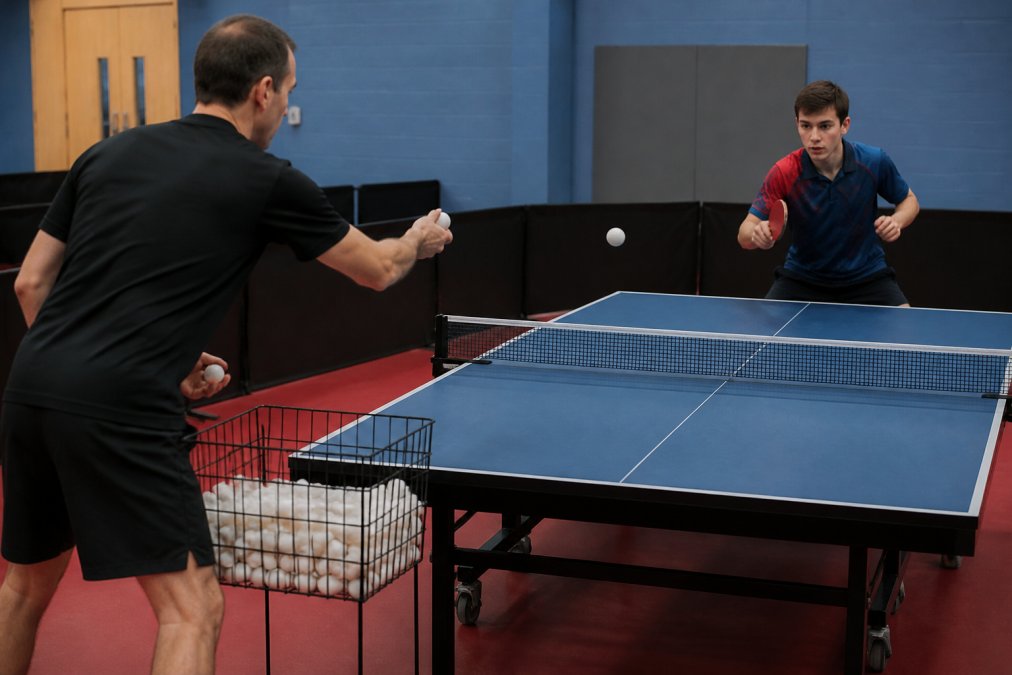
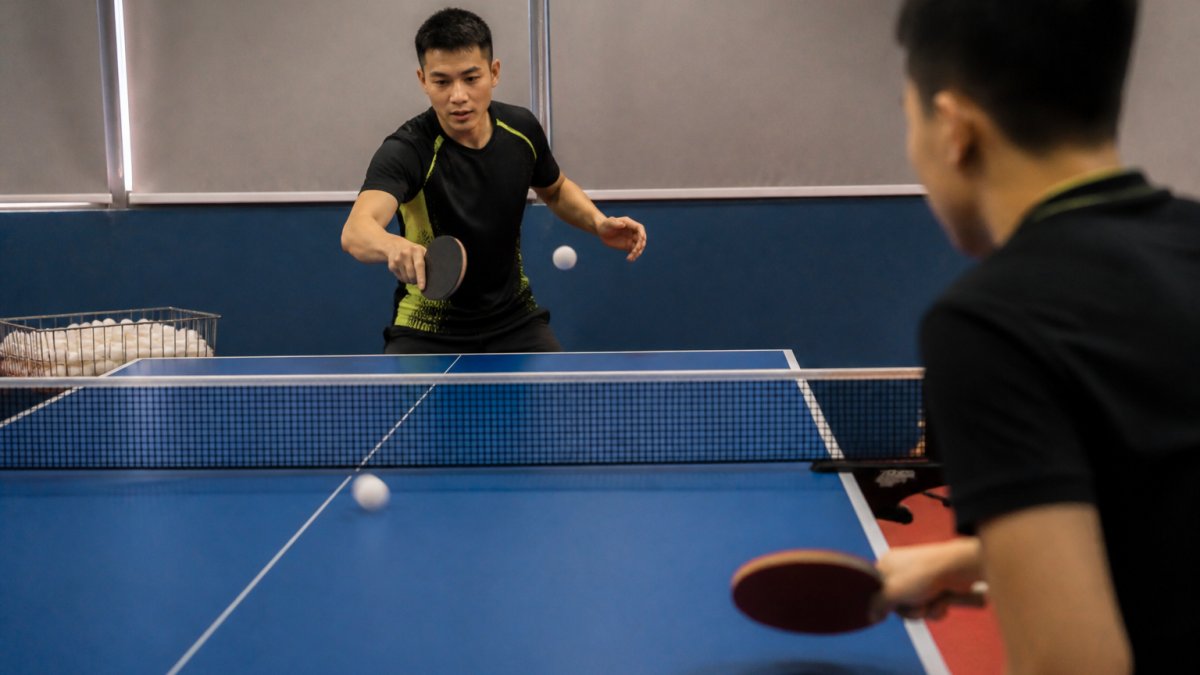
Multi-ball drills involve one or more coaches feeding balls in rapid succession to simulate match conditions. Many balls go wide or under the table. Without a collector, you stop frequently to gather balls, breaking the athlete's rhythm. A collector positioned courtside allows quick scooping and resumption within 90 seconds, maintaining focus and conditioning benefits.
The collector also enables higher-volume practice. Without one, coaches often limit sequences to 50-75 balls per round because gathering more becomes impractical. With a collector, you can run 150+ ball sequences without cleanup becoming a bottleneck. This higher volume directly correlates with faster skill development.
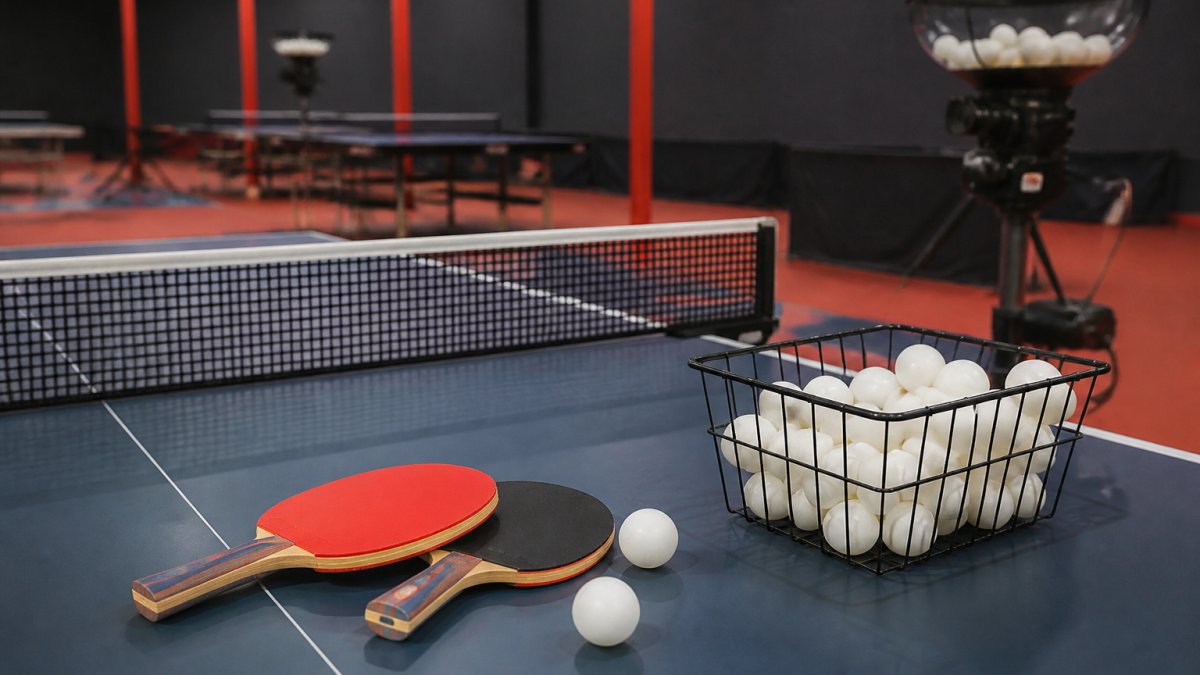
Club managers using training robots see similar benefits. A robot can feed 200+ balls per hour, but only if someone continuously collects scattered balls. A collector allows one person to manage the robot's output without constant bending and enables longer uninterrupted feeding sequences.
How to Speed Up Table Tennis Cleanup Without Constant Bending
Beyond purchasing a collector, tactical approaches minimize cleanup strain and time.
First, consolidate ball scatter using a containment system. Positioning a net barrier around the table reduces the search area, concentrating balls in predictable zones. Second, batch collection into designated breaks rather than gathering continuously throughout a session. Third, delegate collection when possible in group training or club settings, distributing the physical load. Fourth, use a collector designed for your specific training style, lightweight net designs work for robots; press-in designs with high capacity suit multi-ball drills. Finally, invest in proper footwear and take collection breaks seriously to prevent cumulative strain.
Manual vs. Automated Collection: Which Pays Off
The market offers a spectrum from purely manual collectors to semi-automated solutions.
Manual collectors require active engagement but offer simplicity and low cost. Semi-automated solutions like wheeled collection trays reduce physical demand further but require storage space and higher investment. The MyPingPongBuddy collector occupies the sweet spot: it's manual in that you actively gather balls, but the press-in design and telescoping handle dramatically reduce physical load compared to traditional bending. It's portable enough to transport between locations yet durable enough for daily high-volume use.
For most training scenarios, a quality manual collector outperforms more complex alternatives. It's faster than wheeled trays for small-scale cleanup, more durable than cheap net designs, and requires no power or assembly.
Long-Term Value: Durability, Maintenance, and ROI
A collector's true value emerges over months and years of use. A tool lasting 5+ years of regular training delivers far better value than one failing within a year.
Durability depends on material quality and design. Braided fishing line strings outlast thin nylon netting significantly. Sturdy frames with reinforced joints handle impact stress better than flimsy designs. Look for collectors with meaningful warranties or satisfaction guarantees, a 90-day full refund policy signals confidence in durability.
Maintenance is minimal. Periodic inspection of the net for tears, checking handle operation smoothly, and cleaning debris keeps a collector functioning for years. The ROI calculation is straightforward: if you train 3+ times weekly and have existing back issues, a collector pays for itself within the first month through reduced pain and improved efficiency. For coaches and facility managers, payback is even faster.
Conclusion: Is a Ball Collector Right for Your Setup
The answer depends on training frequency, physical condition, and training style. If you're a casual player practicing once weekly on a home table, a collector is probably unnecessary. If you train 3+ times weekly, manage a facility, use a training robot, or have chronic back pain, a collector becomes a practical investment.
MyPingPongBuddy's ball collector addresses core pain points: it eliminates repetitive bending through its press-in design, holds 80-100 balls to minimize emptying frequency, and breaks down for portability. Hand-assembled construction and braided fishing line strings deliver durability that justifies investment over years of use. Backed by a 90-day full refund policy, the risk is minimal if it doesn't fit your training environment.
The real value is reclaiming training time, reducing physical strain, and maintaining focus during multi-ball drills. Buy it now and experience how a well-designed collector transforms your table tennis practice environment.
| Collector Type | Best For | Key Advantage | Primary Drawback |
|---|---|---|---|
| Press-in design (MyPingPongBuddy) | Multi-ball training, high-volume sessions | Fast, efficient ball capture | Requires active engagement |
| Net-based retriever | General practice, casual use | Simple operation, high capacity | Slower for rapid collection |
| Wheeled collection tray | Facility management, robot training | Minimal bending required | Requires storage space |
| Telescoping net collector | Solo training, portability priority | Lightweight, portable | Lower capacity than alternatives |
Frequently Asked Questions
How much time does a ball collector actually save during a typical training session?
A ping pong ball collector can reduce cleanup time by 50-70% depending on ball volume and court size. During multi-ball training or robot practice, where dozens of balls scatter across the floor, a collector allows you to gather 80-100 balls in minutes instead of spending 10-15 minutes bending repeatedly. For coaches running multiple training sessions daily, this compounds into hours saved per week. The time savings increase with facility size and training frequency.
Will a ball collector really help if I have chronic lower back pain?
Yes, significantly. Repetitive bending to pick up balls places cumulative stress on the lumbar spine, especially during multi-ball training drills where you might bend 50+ times per session. A ball collector with an extended reach eliminates most of that bending, reducing strain on your lower back. Players with existing back pain report noticeable relief within the first few training sessions. This benefit compounds over months of regular use, potentially extending your playing years.
What's the difference between a simple net scoop and a press-in design like MyPingPongBuddy?
Press-in designs allow you to scoop multiple balls into a net in one motion by pressing down, while net scoops typically collect balls one at a time. Press-in collectors hold 80-100 balls per load, reducing trips to empty them. They're faster for high-volume training, especially with robots or multi-ball drills. Net scoops are lighter and cheaper but require more trips and handling time. For clubs or serious training, press-in designs save measurable time and effort.
How durable is a handmade collector compared to mass-produced alternatives?
Handmade collectors built with quality materials like braided fishing line and sturdy racket-head construction typically outlast cheaper mass-produced options with daily use. They resist fraying, handle impacts better, and maintain capacity longer. The trade-off is higher upfront cost, but the longer lifespan and consistent performance during high-volume training sessions make them more cost-effective long-term. Check for a solid warranty or return policy to verify durability claims before purchasing.