 how-to
Table Tennis Shoes for Seniors: A Practical Guide
Last Updated: October 23, 2026
Quick Summary
Table tennis shoes seniors need should feature a firm midsole with arch support, reinforced heel cup for lateral stability, moderate cushioning that maintains court feel, and non-marking soles for grip. Choose shoes with a thumb's width of toe room, test them on the actual court surface, and consider wider sizes or custom insoles if needed for comfort and injury prevention.
- Measure your feet in the afternoon when they are largest, wear your playing socks, and leave a thumb's width of space between your longest toe and shoe end.
- Look for reinforced heel cups, firm midfoot support, and wider bases than running shoes to prevent rolled ankles during quick side-to-side movement.
- Test shoes on the actual court surface for at least 15 to 20 minutes of play, not just walking, to confirm stability and court feel.
- Many seniors need custom insoles or wider sizes; badminton and squash court shoes offer similar support and grip if table tennis shoes don't fit.
- Avoid shoes that feel too soft or spongy, as excessive cushioning disconnects you from the court and reduces balance and footwork confidence.
Table of Contents
- Why Table Tennis Shoes Matter for Seniors
- Best Table Tennis Shoes for Arch Support
- Key Features to Look for in Table Tennis Shoes
- Fit, Sizing, and Accommodations for Wide Feet
- Table Tennis Injury Prevention for Seniors
- How to Pick Up Ping Pong Balls Without Bending
- Testing and Choosing the Right Shoe
- Frequently Asked Questions
Why Table Tennis Shoes Matter for Seniors
Choosing the right table tennis shoes seniors need isn't just about comfort. It's about staying active, preventing injury, and enjoying the game without pain or risk of falling.
Standard sneakers don't provide the support your feet need. Table tennis court shoes offer grip on indoor floors, lateral stability for quick side-to-side movement, and cushioning that protects without disconnecting you from the court.
Proper footwear is foundational.
Best Table Tennis Shoes for Arch Support
Arch support becomes critical as you age. Your feet absorb impact with every step, pivot, and direction change during table tennis. Weak arch support leads to foot fatigue, pain, and poor balance, and for seniors, it can increase fall risk during lateral movement.
Look for shoes with built-in arch support or room for custom insoles. Many table tennis shoes come with moderate arch support standard; if you have flat feet or high arches, you may need to upgrade the insoles separately.
The best shoes for arch support have:
- Firm midsole that doesn't compress easily
- Visible arch ridge in the shoe's structure
- Room to add orthotic insoles if needed
Foot Conditions and Practical Fit Accommodations
Many seniors who play table tennis manage common foot conditions that affect shoe choice. A few practical accommodations can make a major difference:
- Bunions: Look for shoes with a wider toe box and soft, seamless upper material over the big-toe joint. Avoid pointed or narrow toe shapes that press on the bunion.
- Swelling: Feet often swell later in the day and during activity. Try shoes on in the afternoon or after a short walk, and consider a half size up if you notice swelling during play.
- Arthritis: Shoes with a stiff, supportive heel counter and a rocker-style sole can reduce stress on stiff toe joints. Look for easy-on designs with elastic laces or hook-and-loop closures if bending to tie laces is difficult.
If you have diabetes, neuropathy, or a history of foot ulcers, talk to a podiatrist or your primary care provider before choosing court shoes. They can advise on protective footwear and any modifications you need.
Some players add gel inserts or foam insoles for extra support, which costs less than new shoes and extends the life of your current pair. Many sporting goods stores can fit you for custom insoles.
Key Features to Look for in Table Tennis Shoes
When you're shopping for table tennis shoes, focus on four core features: grip, lateral stability, cushioning, and fit.
Grip and Traction on Indoor Courts
Indoor court surfaces vary, so your shoes must match the court you play on most.
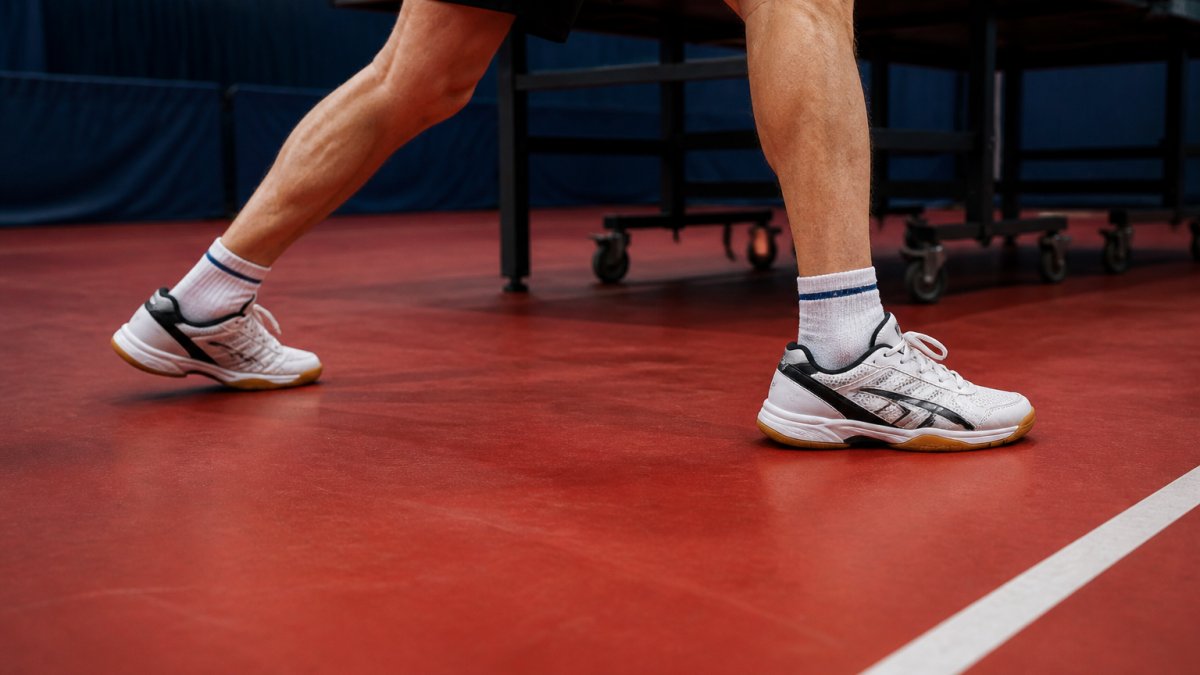
Non-marking soles are standard for table tennis shoes, protecting the court floor while giving reliable traction. Look for rubber outsoles with a tread pattern designed for lateral movement, not just forward running.
Test grip before you buy if possible by walking across the court in the shoe.
Lateral Stability and Ankle Support
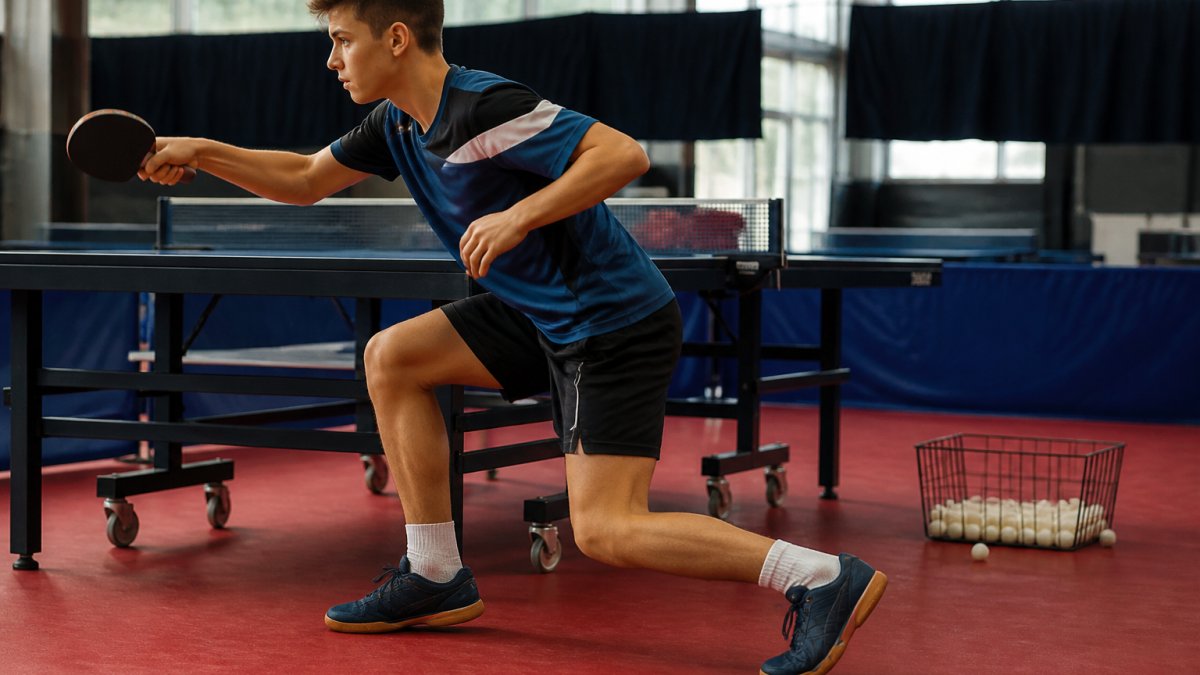
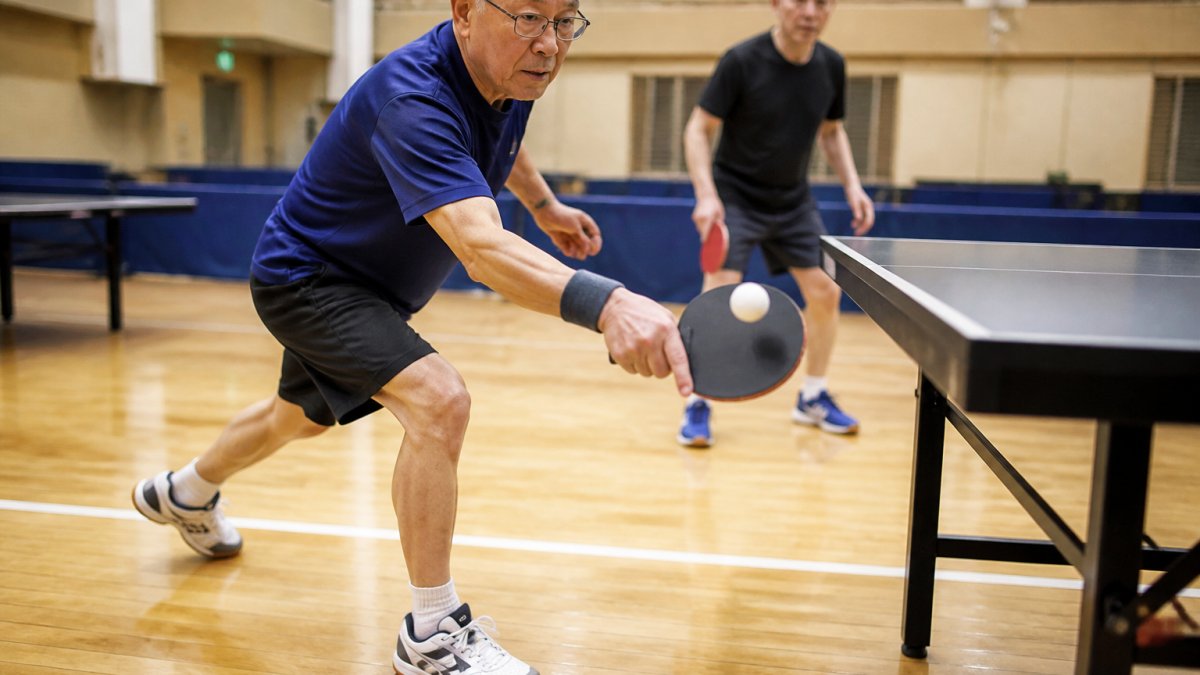
Table tennis demands quick side-to-side movement. Your shoes must support your ankles during these rapid direction changes.
Look for shoes with:
- Reinforced heel cup (keeps your heel centered)
- Midfoot support that doesn't flex excessively
- Ankle collar padding that prevents rubbing
Some seniors prefer higher-cut shoes for extra ankle support; others find low-profile shoes more comfortable. Try both if you can, fit matters more than height.
A common mistake is choosing shoes that are too soft. Soft cushioning feels good at first but provides poor lateral support.
Cushioning Without Sacrificing Court Feel
Cushioning protects your joints. But too much cushioning disconnects you from the court. You lose feel for your footwork and balance.
The best table tennis shoes balance cushioning with court feel. Look for:
- Moderate cushioning in the heel and forefoot
- Firmer midsole that doesn't compress under pressure
- Thin enough sole that you sense court movement
Test this by standing in the shoe and shifting your weight side to side.
Shoes marketed for basketball or volleyball often offer too much cushioning. Table tennis shoes are more minimal by design, court feel and stability matter more than maximum cushioning.
Table tennis shoes should balance four essential features to support safe, confident play.
| Feature | What to Look For | Why It Matters |
|---|---|---|
| Grip and Traction | Non-marking rubber soles with lateral tread pattern | Prevents sliding and protects court floors |
| Lateral Stability | Reinforced heel cup, firm midfoot, wide base | Supports quick side-to-side movement safely |
| Cushioning | Moderate heel and forefoot padding, firm midsole | Protects joints while maintaining court feel |
| Court Feel | Thin sole that lets you sense floor movement | Improves balance and footwork confidence |
Fit, Sizing, and Accommodations for Wide Feet
Poor fit ruins even the best shoe. Blisters, bunions, and foot pain all come from shoes that don't match your foot shape.
Measure your feet before shopping. Foot size changes with age, so don't assume your old size still fits.
When trying on shoes:
- Wear the socks you'll play in
- Leave a thumb's width of space between your longest toe and the shoe end
- Check that the heel doesn't slip when you walk
Many seniors have wider feet or need extra room for orthotics.
If you can't find wide sizes in standard table tennis shoes, consider indoor court shoes from badminton or squash brands.
Table Tennis Injury Prevention for Seniors
The right shoes prevent injuries. Proper technique, warm-up, and recovery matter equally. Learn a comprehensive step-by-step training approach tailored to seniors
Before playing, warm up for five to ten minutes. Walk, stretch, and do light footwork drills. This prepares your muscles and joints for quick movement.
Wear table tennis shoes seniors should choose over general athletic shoes. Guidelines from the American Academy of Orthopaedic Surgeons emphasize that sport-specific footwear reduces injury risk significantly.
Pay attention to pain signals. Soreness after play is normal. Sharp pain during play is not. Stop immediately if you feel acute pain.
Many seniors benefit from How to Prevent Injury in Table Tennis: 2026 Guide.
How to Pick Up Ping Pong Balls Without Bending
The solution is simple: use a ball picker tool. A well-designed picker lets you scoop balls from the ground without bending.
Research on ergonomic strain from repetitive bending shows that avoiding unnecessary bending protects your spine during extended activities like training sessions.
MyPingPongBuddy offers a clever, handmade tool designed to revolutionize your table tennis training by making ball cleanup effortless and fun.
For detailed information on how this tool works and why it's effective, check out the full guide on picking up ping pong balls without bending. You can also purchase the ball picker directly if you're ready to eliminate the bending problem.
Testing and Choosing the Right Shoe
Before you commit to a pair, test them properly. Many specialty sporting goods stores let you try shoes on the court briefly, take advantage of this. For seniors, testing confirms the shoe supports stable, confident movement and reduces the risk of a slip or rolled ankle during play.
A Senior-Specific Shoe Selection Checklist
Use this step-by-step process when you evaluate a pair:
- Try shoes later in the day. Feet tend to be larger in the afternoon or after activity. Trying shoes when your feet are at their largest helps you avoid a fit that feels tight during play.
- Wear the socks you will play in. Sock thickness changes fit. Bring the same socks you wear at the club.
- Check toe room. You should have about a thumb's width of space between your longest toe and the end of the shoe. Wiggle your toes. They should move freely without pressing against the sides.
- Test heel hold. Walk a few steps and try to lift your heel out of the shoe. It should stay seated in the heel cup with minimal slipping. A loose heel is a common cause of blisters and instability.
- Test lateral stability. Stand and shift your weight side to side, then take a few controlled side steps. The shoe should resist rolling inward or outward. Your foot should feel centered, not tipping over the edge of the sole.
- Test traction on the court. Walk and take a few short side steps on the actual playing surface if the store allows it. The sole should grip without sticking or sliding. Avoid testing on carpet alone, since indoor court floors behave differently.
- Check court feel. You should be able to sense the floor beneath you. If the shoe feels like a pillow and you cannot feel the ground, it may be too soft for quick lateral movement.
- Test the fastening. If you have trouble bending, try the closure system. Can you tighten and loosen the shoe comfortably while standing? Elastic laces or hook-and-loop straps may be easier than traditional laces.
Safe Testing for Balance and Stability
If you have concerns about balance, test new shoes in a safe environment first.
Wear the shoes for at least 15 to 20 minutes of actual play before committing. Don't just walk around. Move side to side. Play points.
Ask yourself:
- Do I feel stable during lateral movement?
- Can I stop quickly without sliding?
- Does my foot stay centered in the heel?
If the answer to any question is no, try a different model. The right shoe feels natural within minutes. You stop thinking about your feet and focus on the game.
Comparing Brands and Widths
Compare shoes across multiple brands if you can, one brand's "medium" width might feel tight while another's feels perfect. Take time with this decision; you'll wear these shoes dozens of times. If you cannot find a table tennis shoe that fits well, indoor court shoes from badminton or squash brands often come in wider cuts with similar grip and lateral support.
Many players benefit from exploring table tennis practice at home with proper equipment. Home practice lets you test shoes in a controlled environment before committing to club play.
Frequently Asked Questions
What features should seniors prioritize in table tennis shoes?
Seniors should prioritize arch support, lateral stability, and cushioning that doesn't reduce court feel. Grip and traction are essential for preventing slips on indoor courts, while a secure heel hold prevents your foot from sliding inside the shoe during quick movements. Lightweight shoes reduce fatigue, and a snug fit with toe room prevents blisters and allows natural foot motion. Look for non-marking soles and durable rubber outsoles designed for indoor court surfaces.
Are specialized table tennis shoes necessary for older players?
Yes, specialized table tennis shoes are worth the investment for seniors. Unlike running shoes or casual sneakers, table tennis shoes are built for lateral movement, quick direction changes, and the specific demands of indoor courts. They provide better grip, ankle support, and stability, all critical for preventing falls and injuries. Court shoes designed for badminton or squash can work as alternatives, but dedicated table tennis footwear offers the best combination of support and court feel.
How do I know if a table tennis shoe fits properly?
A proper fit means your heel stays secure without slipping, your toes have about a thumb's width of room at the end, and your arch feels supported without pressure points. Wear the shoes with the socks you'll play in, and test them by moving side-to-side and forward-backward. Your foot should not shift inside the shoe during lateral movement. If you have wide feet, look for shoes with a wide-cut design. Try shoes on in the afternoon when your feet are slightly swollen to match how they'll feel during play.
What's the best way to prevent foot and ankle injuries while playing table tennis?
Wear table tennis shoes with proper arch support and ankle stability to reduce injury risk. Choose shoes with cushioning that absorbs shock without making you feel unstable on the court. Warm up before playing, stretch your calves and feet, and strengthen your ankles with balance exercises. Use a ball picker tool to avoid bending repeatedly, which strains your lower back and knees. Replace shoes when the sole wears down or cushioning breaks down, as worn shoes increase fall risk and joint stress.
Choosing the right table tennis shoes for seniors protects your feet, prevents injury, and keeps you playing the game you love. Start with the features we've covered: arch support, lateral stability, grip, and proper fit. Test shoes before buying. If you struggle with back pain or mobility issues during cleanup, consider a tool like the MyPingPongBuddy ball picker, which eliminates bending and saves time during training sessions. Your feet and your game will thank you.