 how-to
How to Clean Table Tennis Table Surface Properly
Table of Contents
- Why Cleaning Your Table Tennis Table Matters
- What You'll Need Before Starting
- Step-by-Step Guide to Cleaning Your Table Tennis Table Surface
- Cleaning Table Tennis Table with Water: Best Practices
- Choosing the Right Table Tennis Table Cleaner
- How Often to Clean a Table Tennis Table
- Table Tennis Table Maintenance Beyond the Surface
- Common Mistakes to Avoid When Cleaning
- Frequently Asked Questions
Last Updated: October 16, 2026
Why Cleaning Your Table Tennis Table Matters
A clean table tennis table is essential for consistent play and equipment longevity. Dust, sweat, and dirt affect ball spin, speed, and bounce predictability, and particles transfer to your rubber, degrading grip and control. Proper maintenance extends table life and improves training focus.
What You'll Need Before Starting
Essential supplies:
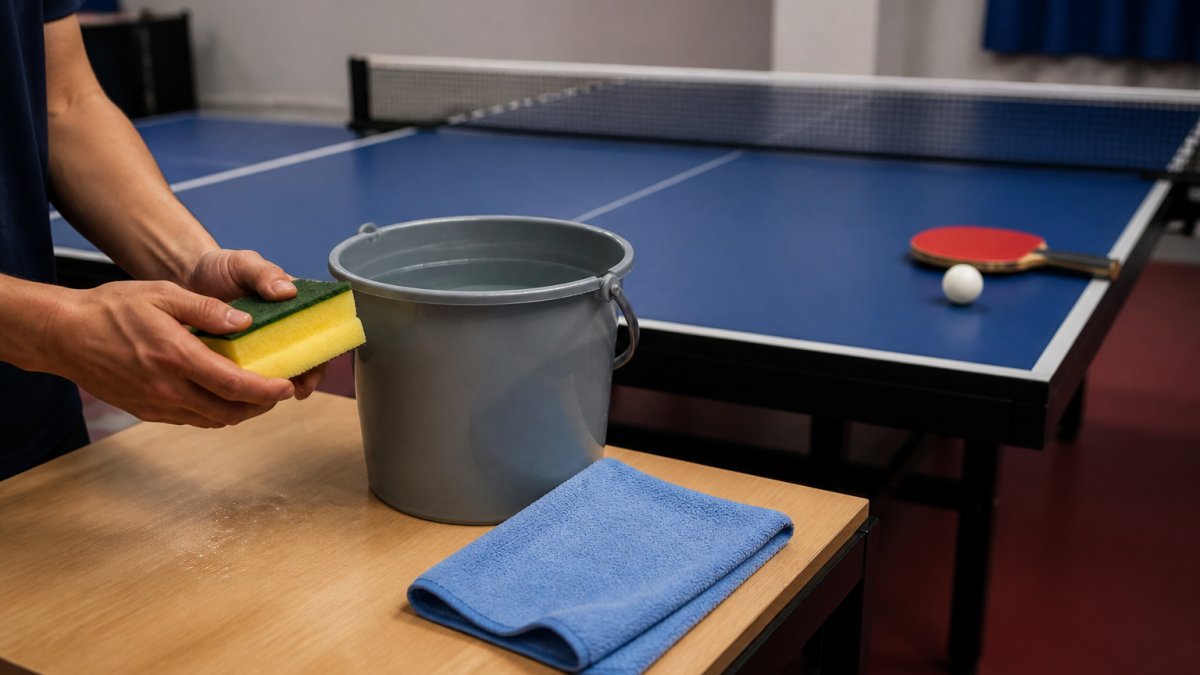
- Damp sponge or soft cloth (not abrasive)
- Bucket of warm water
- Dry towel or paper towels
- Optional: mild table cleaner (we'll cover this below)
Do not use harsh chemicals, bleach, or abrasive scrubbers. These damage the delicate protective coating on the playing surface.
Step-by-Step Guide to Cleaning Your Table Tennis Table Surface
Learning how to clean table tennis table surface properly takes about 15 minutes once you develop a routine. Follow these steps in order.
Step 1: Identify Your Table's Surface Finish
Before you touch the table, confirm what the playing surface is made of. Using the wrong product is the most common cause of permanent damage.
- Painted or printed indoor tables. Most club and home tables use a painted or printed surface over a wood or composite core. The thin paint tolerates water and mild pH-neutral cleaner but not solvents, bleach, or abrasives. This is the most delicate common finish.
- Melamine or laminate indoor tables. Some entry-level and multi-use tables use a melamine or laminate top. These resist stains better than paint but can dull or haze with alkaline cleaners or abrasive pads.
- Outdoor or all-weather tables. Outdoor tables typically use an aluminum composite or resin surface designed to resist UV and moisture. They tolerate more water and mild detergent but still should not be scrubbed with abrasives, which scratch the topcoat and trap dirt.
- Wood-core tables with a sealed topcoat. The surface is sealed, but the core is wood. Water reaching the core through seams or edges causes swelling, so moisture control matters more here than on aluminum-core outdoor models.
If you are unsure of the finish, check the owner's manual or the manufacturer's label on the underside of the table. When in doubt, treat the surface as painted indoor and use water only.
Step 2: Remove Loose Dust and Debris
Start dry. Use a soft microfiber cloth, dry sponge, or soft brush to sweep the entire playing surface, especially edges and corners where dust collects. This prevents grit from being dragged across the finish when you add water, which is how most fine scratches appear.
Step 3: Prepare Your Cleaning Solution
Fill a bucket with warm water around 100-110°F. If using a table cleaner, follow its dilution instructions. Never use hot or boiling water, which can warp the surface and core.
Safe products for the playing surface:
- Plain warm water
- pH-neutral or slightly acidic mild cleaner labeled safe for painted or sealed wood
- Mild dish soap diluted heavily in water (a few drops per quart) for greasy fingerprints
Unsafe products for the playing surface:
- Bleach, ammonia, and chlorine-based cleaners, which attack the paint and topcoat
- Glass cleaners, which often contain ammonia or alcohol and leave a haze
- All-purpose degreasers, which are too strong for the finish
- Spray waxes and polishes, which leave a slippery film that changes ball grip and bounce
- Abrasive pads, scouring sponges, and rough cloths, which scratch the coating
- Solvents such as acetone, paint thinner, or adhesive remover, which can dissolve the finish
Step 4: Wipe the Playing Surface Gently
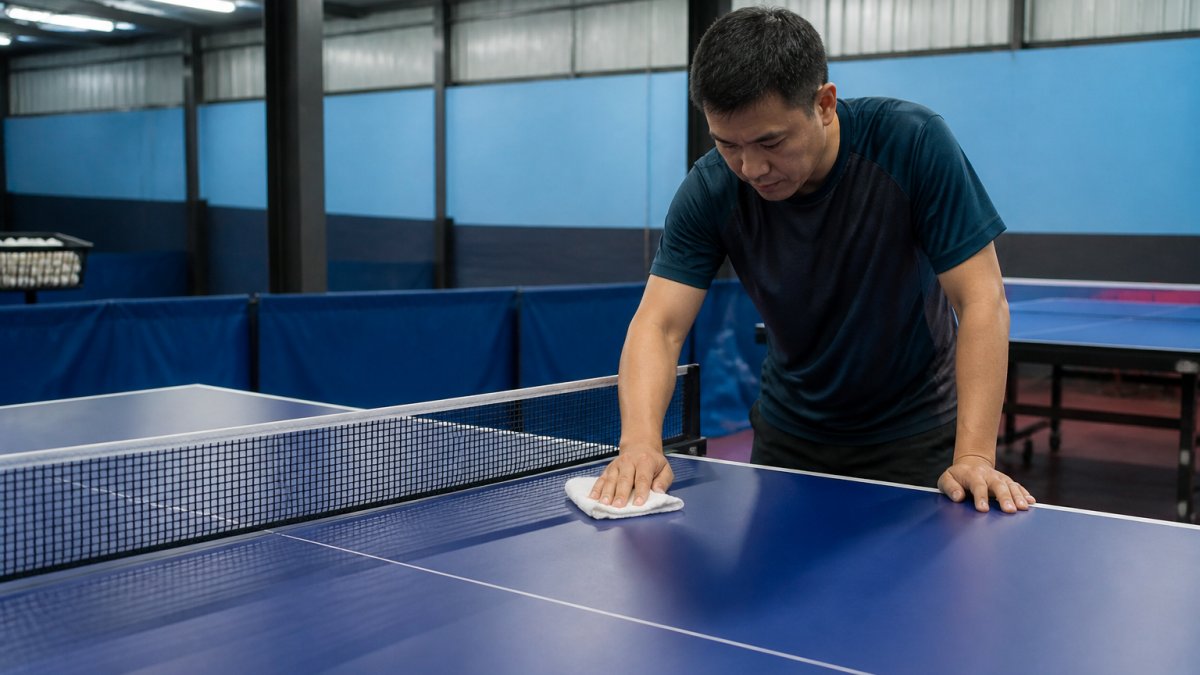
Wring out your sponge or cloth thoroughly; it should be damp, not dripping. Starting at one end, wipe in smooth, gentle motions toward the opposite end with light pressure. Cover the entire playing surface, including the edges. This usually takes 5-7 minutes.
Step 5: Address Stubborn Marks and Spills by Type
Match the method to the mark rather than scrubbing harder.
- Fingerprints and sweat smudges. A damp cloth with a drop of mild dish soap usually lifts these. Wipe gently, then rinse.
- Drink spills. Blot immediately with a dry cloth, then wipe with a damp cloth and rinse. Sugary drinks leave a sticky film that attracts dust, so rinse thoroughly.
- Adhesive residue from tape or labels. Do not use solvent. Hold a warm, damp cloth on the residue for 30-60 seconds to soften it, then rub gently with a microfiber cloth. If residue remains, apply a small amount of mild cleaner to the cloth, not the table.
- Ink or marker marks. These are difficult to remove without damaging paint. Test any method on a hidden area first, and accept that some marks may not come out without professional refinishing.
- Scuff marks from paddles or balls. These are usually surface deposits rather than damage. A damp cloth with mild cleaner usually removes them.
Let your damp cloth sit on the stain for 30 seconds, then rub with light circular motions. Do not scrub hard. If the mark persists, stop; forcing it risks damaging the finish.
Step 6: Rinse and Remove Residue
Rinse your cloth with clean water and wipe the entire surface again to remove residue, which dulls the finish and makes it tacky. Wring the cloth well before each pass.
Step 7: Dry Your Table Completely
Use a clean, dry towel to dry the entire surface from one end to the other, removing all moisture. Standing water can swell or warp the wood underneath, especially on wood-core tables. Allow 10-15 minutes of air-drying before play.
Cleaning Table Tennis Table with Water: Best Practices
Water is your safest cleaning agent, removing most dust, sweat, and light stains without chemical risk.
Water temperature matters. Warm water (around 100-110°F) breaks down sweat and oils without thermal stress. Never use boiling or very hot water; cold water is less effective on sweat residue.
Moisture control is critical. Your cloth should be damp, never wet. Excess water seeps into seams and damages the internal structure, so wring thoroughly.
Frequency of water cleaning. Most players can clean with water alone once weekly, preventing buildup without over-wetting the surface. If you play daily or in humid environments, twice weekly is reasonable.
Choosing the Right Table Tennis Table Cleaner
A proper table cleaner makes cleaning easier, but not all cleaners work on table tennis surfaces.
What to look for:
- Mild formulation designed for painted or sealed wood
- pH-neutral or slightly acidic (avoid alkaline cleaners)
- No bleach, ammonia, or harsh solvents
- Leaves minimal residue after rinsing
Products to avoid:
- Glass cleaners (too harsh)
- All-purpose degreasers (too strong)
- Spray waxes or polishes (leave slippery residue)
- Anything containing bleach or ammonia
How Often to Clean a Table Tennis Table
High-volume use (daily training, coaching, club play): Clean weekly or twice weekly. Sweat, dust, and debris accumulate quickly.
Moderate use (3-4 times per week): Clean weekly to remove sweat and dust before they build up.
Light use (1-2 times per week): Clean every two weeks. Monthly cleaning is the minimum; don't let dust settle longer than that.
Storage or off-season: Clean and dry the entire surface before storing, and cover the table to prevent dust accumulation. When you return to play, a quick wipe-down is usually all you need.
Environmental factors matter too. Humid climates or dusty training spaces require more frequent cleaning. Air-conditioned indoor facilities stay cleaner longer.
Table Tennis Table Maintenance Beyond the Surface
Your table is more than the playing surface. These components have different care needs.
The net and net posts. The net fabric is delicate and should never be soaked.
The frame and apron. The frame collects dust and sweat drips.
The edges and seams. Edges and seams collect more debris than the flat surface and absorb moisture more readily.
The legs and wheels. Legs and wheels pick up floor dust, hair, and grit. Wipe them during your regular routine.
Protective covers. Use a fitted, breathable cover when your table isn't in use to prevent dust, sunlight, and temperature fluctuations from damaging the finish.
Storage conditions. Store your table in a climate-controlled environment if possible. Extreme heat, cold, and humidity cause warping.
Common Mistakes to Avoid When Cleaning
Pressing too hard. Gentle pressure is always better; light, patient wiping prevents surface damage.
Using too much water. Excess moisture seeps into seams and damages wood.
Mixing chemicals. Never combine cleaners. Different products can create harmful reactions. Stick to one cleaner or water alone.
Rushing the drying step. Wet tables cause swelling and warping. Take time to dry completely.
Ignoring the edges. Edges and seams collect more debris and absorb moisture more readily. Pay special attention to them during cleaning and drying.
Skipping regular maintenance. A table that gets weekly care stays clean with minimal effort. Tables that go months without cleaning need aggressive cleaning that risks damage.
| Mistake | Why It Matters | The Fix |
|---|---|---|
| Pressing hard while wiping | Scratches the protective finish | Use light, gentle pressure always |
| Using excessive water | Water seeps into seams and warps wood | Wring cloth thoroughly before wiping |
| Neglecting edge and seam cleaning | Debris accumulates and can trap moisture | Pay extra attention to edges during routine cleaning |
| Skipping the drying step | Moisture causes swelling and surface damage | Dry completely with a clean towel after rinsing |
| Using harsh chemicals | Damages the playing surface finish | Stick to mild cleaners or water only |
Keeping your table tennis table clean isn't complicated, but it requires consistency. A few minutes each week preserves your investment and keeps your playing surface responsive.
Frequently Asked Questions
Can you use water to clean a table tennis table?
Yes, water is one of the safest options for cleaning your table tennis table. Use lukewarm or cool water with a damp sponge or cloth, wringing it out thoroughly so it's not dripping wet. This removes dust, dirt, and light sweat marks without damaging the surface finish. Avoid soaking the table or letting water pool on the playing surface, as excessive moisture can affect the table's integrity and the rubber on paddles.
What cleaner is safe for a table tennis table?
Mild, non-abrasive cleaners work best for table tennis tables. A simple solution of water with a tiny drop of dish soap is effective and safe. Avoid bleach, harsh chemical sprays, scouring powders, and abrasive cleaners, these can strip the protective finish and damage the tabletop. Test any new product on a small, hidden area first. Always wring out your cleaning cloth or sponge thoroughly before wiping to prevent excess liquid from pooling on the surface.
How often should you clean a table tennis table?
Clean your table tennis table after every practice session if it's used regularly, or at least once a week for casual home use. Wipe away dust, sweat, and dirt promptly to prevent buildup and staining. In high-traffic facilities with multiple tables, daily light cleaning keeps surfaces playable and extends their lifespan. For tables used less frequently, a thorough cleaning every two weeks is usually sufficient. Always dry the table completely after cleaning to prevent moisture damage.
How do you remove dust and fingerprints from a table tennis table?
For light dust and fingerprints, use a soft, dry microfiber cloth or paper towel to gently wipe the surface. For stubborn marks, lightly dampen a cloth with cool water and wipe gently without scrubbing hard. If marks persist, add one small drop of mild dish soap to your water solution and wipe again. Always wring out your cloth thoroughly before applying it to the table, and dry the area immediately with a clean, dry cloth. Avoid pressing hard or using circular motions that can damage the surface finish.