 listicle
Best Table Tennis Paddle Cases for Travel
Table of Contents
- What Makes a Great Travel Table Tennis Case
- Hard-Shell Table Tennis Cases vs. Soft-Sided Options
- Table Tennis Case for Two Paddles: Capacity and Design
- Table Tennis Paddle Covers and Materials
- Top Travel Table Tennis Bags and Cases
- How to Choose the Right Case for Your Travel Needs
- Care and Long-Term Maintenance for Your Case
- Frequently Asked Questions
Last Updated: October 20, 2026
What Makes a Great Travel Table Tennis Case
When you're carrying your paddle to tournaments, coaching sessions, or training camps, the right case matters more than most players realize. A great travel table tennis case does three things: it protects your equipment from impact and moisture, it stays light enough to pack without regret, and it organizes your accessories so you're not digging through a mess before matches.
The best table tennis paddle cases balance protection with portability. You need enough padding to absorb shock from airport baggage handling or the bounce of a gym floor, but not so much weight that you're lugging dead weight across terminals. The case should also fit your paddle quantity, whether you're traveling with one backup or a full arsenal, and have compartments for balls, rubber cleaner, and grips.
Protection and padding requirements matter most when your equipment travels. Look for cases with foam lining or sponge padding that cushions impacts without crushing your paddle's blade. The padding should be at least 5-10mm thick for hard cases, which provide maximum protection. Soft-sided cases typically use neoprene or EVA foam, which offers moderate protection while keeping weight down. Your paddle's rubber is delicate; poor padding leads to dents, pressure marks, and compromised spin.
Portability and weight considerations shift based on how often you travel. If you're flying to tournaments monthly, a lightweight soft case under 2 pounds is ideal. If you're driving to your local club twice a week, a heavier hard case with maximum protection makes sense. Consider whether you'll carry the case in a backpack, roll it, or hold it as a standalone bag. Wrist straps are essential for quick transitions between the car and the court.
Hard-Shell Table Tennis Cases vs. Soft-Sided Options
The choice between hard and soft cases comes down to your travel frequency and storage space. Hard cases offer superior durability and impact resistance. They protect your paddle from crushing forces and keep moisture out completely. Soft cases prioritize weight and flexibility, they compress into tight spaces and weigh significantly less.
Hard-shell cases are rectangular, rigid containers made from ABS plastic, EVA composite, or polycarbonate. They're built to survive airline baggage systems and gym bag collisions. The tradeoff is weight and bulk. A quality hard case for two paddles weighs 1.5 to 2.5 pounds and takes up noticeable space in your travel bag.
Soft-sided cases use neoprene, nylon, or Oxford cloth exteriors with foam padding inside. They're lightweight, often under 1 pound, and pack flat when empty. They flex to fit irregular spaces and feel less industrial than hard cases. The weakness is durability. Soft cases handle normal wear well but don't protect against direct crushing forces.
Durability and impact resistance heavily favor hard cases. A hard shell absorbs shock from drops and compression without transferring force to your paddle. Soft cases distribute impact across a wider area, which works for moderate bumps but fails against sustained pressure. If your case will ride under other luggage on flights or sit in equipment racks, hard-shell construction is worth the weight penalty.
Weight and travel convenience favor soft cases. A soft-sided paddle bag fits into backpacks, gym duffels, and car cup holders. Hard cases require dedicated space. If you're commuting to practice or taking your paddle on business trips, soft construction saves frustration. The weight difference, often 1 to 1.5 pounds, adds up over time, especially if you're carrying other gear.
Table Tennis Case for Two Paddles: Capacity and Design
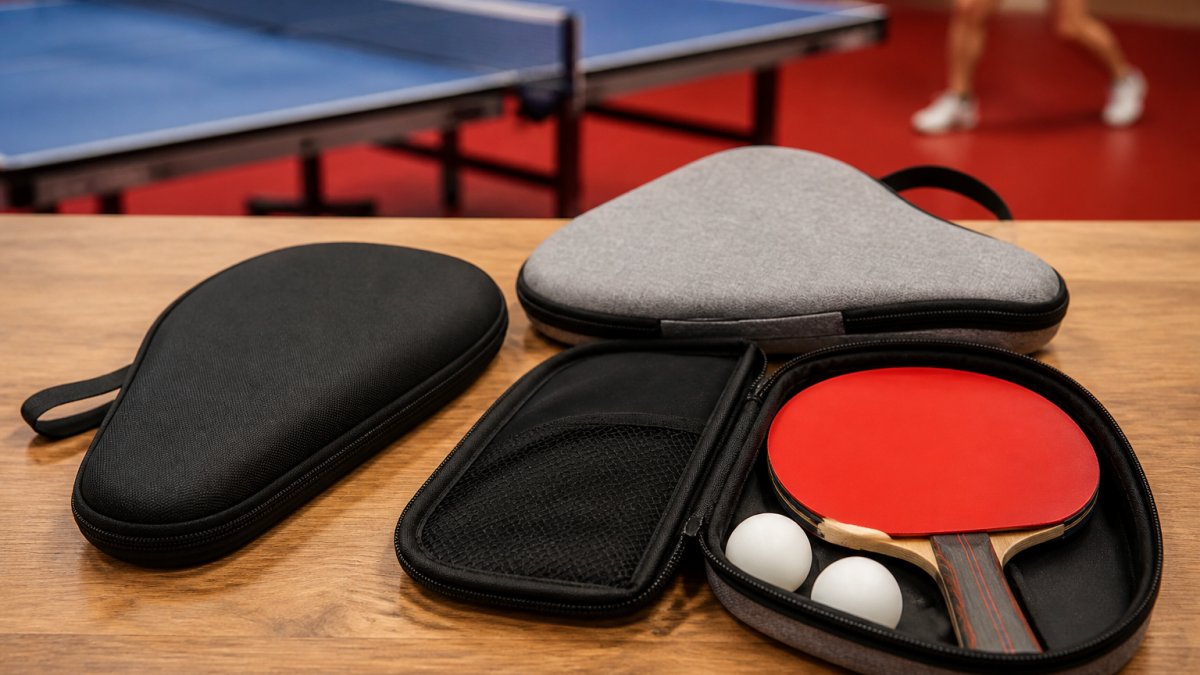
Most serious players travel with backup paddles. A case designed for two paddles needs interior dividers to keep them separated and protected. Paddles stored touching each other can develop pressure marks or rubber damage from friction.
Interior dividers and compartments are critical. Look for cases with individual slots or elastic straps that hold each paddle in place. The dividers should prevent blade-to-blade contact and keep handles from tangling. Quality cases include a dedicated mesh pocket for balls, at least 6-ball capacity, and smaller slots for grips, rubber cleaner, and protective sheets. A well-designed two-paddle case keeps everything organized so you grab what you need without unpacking the entire bag.
Storage for balls and accessories separates functional cases from mediocre ones. You need space for at least 6 practice balls or tournament balls. Mesh pockets are better than sealed compartments because they allow air circulation and prevent moisture buildup. Smaller pockets for grips, sandpaper, and cleaner are essential. The best cases include a dedicated section for rubber protectors, thin plastic sheets that shield your paddle's surface during travel.
Table Tennis Paddle Covers and Materials
The materials used in your case determine how well it protects and how long it lasts. Neoprene, EVA, and nylon are the industry standards, each with distinct advantages.
Neoprene is a synthetic rubber used in soft cases and as interior padding. It's water-resistant, flexible, and absorbs shock effectively. Neoprene cases feel premium and handle moisture well, but they're heavier than nylon and can absorb odors over time. They work best for players who need reliable protection without extreme weight concerns.
EVA foam is a lightweight plastic foam used in hard cases and as padding. It's durable, waterproof, and extremely protective against impact. EVA shells don't absorb moisture and won't degrade from humidity. The downside is rigidity, EVA cases don't compress and take up fixed space. They're the go-to material for tournament players and coaches who prioritize protection.
Nylon is a synthetic fabric used for soft case exteriors. It's lightweight, affordable, and durable for normal wear. Nylon resists tearing and handles repeated packing well. However, nylon alone isn't waterproof, manufacturers add water-resistant coatings to prevent moisture penetration. Quality nylon cases feel substantial without excess weight.
Water-resistant and dustproof features matter if you travel to humid climates or store your paddle in unpredictable environments. A water-resistant exterior coating prevents moisture from soaking through fabric. Sealed zippers and gasket closures keep dust and humidity out. Hard cases with tight-fitting lids offer complete protection. Soft cases with water-resistant zippers provide adequate protection for most situations. If you're traveling to tournaments in tropical climates or storing paddles in basements, prioritize waterproofing.
Top Travel Table Tennis Bags and Cases
STIGA Water-Resistant Cover for Two Paddles
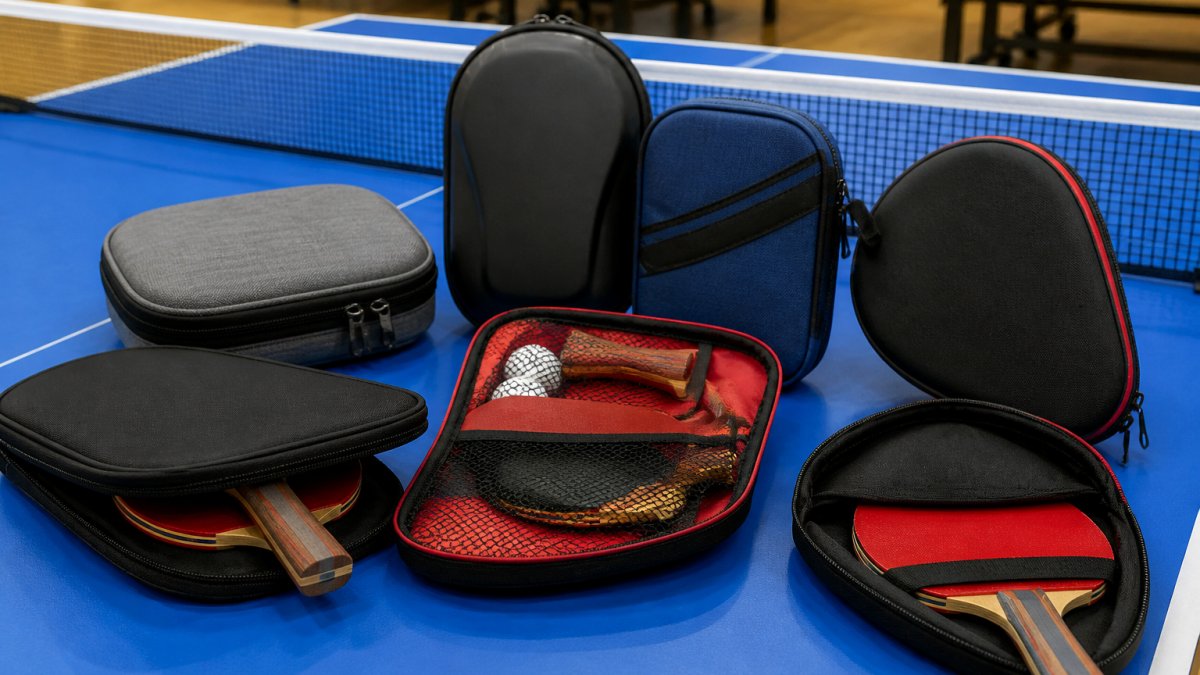
STIGA's paddle cover is designed specifically for traveling players who need reliable two-paddle protection. The water-resistant construction keeps moisture out during airport baggage handling and gym storage.
What works: The water-resistant coating is genuinely effective, and the two-paddle capacity is thoughtfully designed. The case feels substantial without being heavy.
What doesn't: The supplied results don't provide current pricing or exact dimensions, so verify fit before purchasing if you have oversized paddles or grips.
Butterfly Lojal DX Multi-Compartment Case
Butterfly's Lojal DX is built for players who travel with multiple paddles and extensive accessories. The multi-compartment design includes separate slots for paddles, balls, grips, and cleaning supplies.
What works: Multiple compartments mean everything has a place. Organized packing reduces pre-match stress and protects equipment from random contact damage.
What doesn't: More compartments mean more weight. If you're minimalist about what you carry, this case is over-engineered.
Killerspin Material Options and Ball Storage
Killerspin offers a range of table tennis racket cases in various materials, giving you flexibility to match your travel style.
What works: Material variety lets you pick the right balance of protection and weight. The separate ball case option is smart for serious players.
What doesn't: The supplied results don't name specific case models or current pricing, so research individual products before deciding.
Yinhe Hard Case for Budget-Conscious Players
Yinhe's hard case is discussed in table tennis forums as an inexpensive, good-quality option. The rectangular hard-shell construction provides solid protection at a lower price point than premium brands.
What works: Hard-shell protection at accessible pricing. The rectangular shape maximizes interior space.
What doesn't: The supplied results don't verify current availability or exact capacity specifications. Confirm dimensions match your paddle length before purchasing.
How to Choose the Right Case for Your Travel Needs
Assessing paddle quantity and accessory storage starts with honest evaluation. How many paddles do you actually travel with? Most players carry one primary and one backup. If you're a coach or competitive player, you might travel with three to five. Match your case capacity to your real needs, don't overpay for a six-paddle case if you only use two. Consider what accessories you need: balls, grips, rubber protectors, and cleaner. A case with dedicated pockets for each item prevents damage and saves setup time.
Travel frequency and airline compatibility determine whether hard or soft construction makes sense. If you fly to tournaments monthly, a hard case's impact protection justifies the weight. If you drive to your local club weekly, a soft case's portability wins. For air travel, check airline baggage policies. Most allow hard cases as carry-on or checked luggage. Soft cases compress more easily if you need to meet size restrictions. Some clubs and tournaments have specific case requirements, verify before investing.
Care and Long-Term Maintenance for Your Case
Your case needs maintenance to protect your paddles over years of travel. Clean the exterior monthly with a damp cloth to remove dust and debris. For nylon cases, use mild soap and air-dry completely before storing. For hard cases, wipe down with a dry cloth and inspect for cracks or loose hinges.
Interior maintenance prevents mold and odor. After wet travel or humid storage, leave the case open to air-dry for several hours. Never close a damp case, moisture creates conditions for mold growth. If your case has mesh pockets, ensure they're completely dry before storing balls inside. Replace foam padding if it compresses permanently or develops odors.
Check zippers and straps regularly. Clean zipper tracks with a dry brush to prevent jamming. Lubricate stiff zippers with graphite powder, never use oil, which attracts dirt. Replace wrist straps if they fray or tear. These small maintenance tasks extend case life by years and prevent damage from equipment failure during travel.
Choosing the right table tennis paddle case transforms how you travel and train. The best cases balance protection, weight, and organization, letting you focus on your game instead of worrying about equipment damage. Whether you need hard-shell durability for frequent air travel or soft-sided portability for weekly club sessions, the options available today handle real-world travel demands.
At MyPingPongBuddy, we understand that efficient training starts with the right tools. Our handmade ball pickup tool breaks down in half for easy transport and eliminates the need to bend over during cleanup, saving time and focus during practice sessions. Combined with a quality paddle case, you'll have everything needed for serious, organized training.
Frequently Asked Questions
What should I look for in a travel table tennis paddle case?
Prioritize protective padding (foam or neoprene lining), capacity for your paddle quantity, and water-resistant materials. Check that it fits carry-on dimensions if you travel by air. Hard-shell cases offer superior impact protection for frequent travel, while soft cases are lighter and more compact. Ensure interior compartments or dividers keep paddles secure and separate from balls and accessories.
Can a table tennis paddle case hold two paddles and balls?
Many quality cases are designed to hold two paddles with dedicated storage for balls and accessories. Look for models with interior dividers to separate paddles and mesh pockets for ball storage. Cases from brands like STIGA and Butterfly Lojal DX specifically offer two-paddle capacity with compartmentalized storage, making them ideal for players who travel with multiple paddles and practice equipment.
Are hard-shell table tennis cases better than soft cases?
Hard-shell cases provide superior protection against impact and crushing during travel, making them ideal for frequent flyers or players with expensive paddles. Soft-sided cases are lighter, more portable, and easier to pack, offering adequate protection for casual travel. Your choice depends on travel frequency, budget, and how much impact protection your paddles need. Tournament players typically prefer hard shells; recreational travelers often choose soft cases.
How do you protect a table tennis paddle when traveling?
Use a dedicated paddle case with cushioned padding and secure closures. Store paddles with blade-to-blade contact to prevent edge damage, and use interior dividers to keep them from moving. Keep cases away from extreme heat and humidity. For air travel, pack cases in checked luggage when possible. A quality case with foam or neoprene lining and a secure zipper closure provides the best protection against moisture, dust, and physical damage during transport.