 ultimate-guide
Table Tennis Club Equipment Maintenance Tips
Table of Contents
- Why Club Equipment Maintenance Matters More Than You Think
- Daily and Weekly Racket Care Routine
- Choosing the Right Table Tennis Rubber Cleaner
- How to Store Rackets to Prevent Performance Degradation
- Table Tennis Table Surface Care: Cleaning and Storage
- Net Tension, Posts, and Table Frame Checks
- simplifying Practice with Ping Pong Ball Cleanup Tools
- Repairing Common Damage and Knowing When to Replace
- Frequently Asked Questions
Last Updated: September 8, 2026
Why Club Equipment Maintenance Matters More Than You Think
A table tennis club’s real cost isn’t the tables or the nets. It’s the slow, silent degradation of rackets and playing surfaces that forces premature replacement. Consistent equipment maintenance is the single highest-ROI activity a club manager can adopt, directly extending the life of gear that players rely on for consistent spin and speed.
Equipment fails not from heavy use, but from neglect. Dust and hand oils oxidize rubber surfaces, humidity warps blades, and debris on tables damages balls. The good news is that a basic preventative care routine, taking minutes per day, prevents most of this performance degradation.
Below, we’ll show you exactly how to build that routine, covering racket care, rubber cleaners, storage, table surfaces, and the simple tools that keep a busy club running smoothly.
Daily and Weekly Racket Care Routine
The foundation of any club maintenance protocol is a simple, repeatable schedule. Daily care removes the contaminants from that day’s play, while weekly care addresses deeper buildup and checks for damage.
| Frequency | Task | Time Needed |
|---|---|---|
| After each session | Wipe rubber with damp cloth, air dry | 2 minutes |
| Daily | Clean rubber surface with dedicated cleaner | 3 minutes |
| Weekly | Inspect edges, blade, and sponge for damage | 5 minutes |
| Monthly | Deep clean table surface and check net tension | 15 minutes |
Cleaning Rubber Surfaces After Every Session
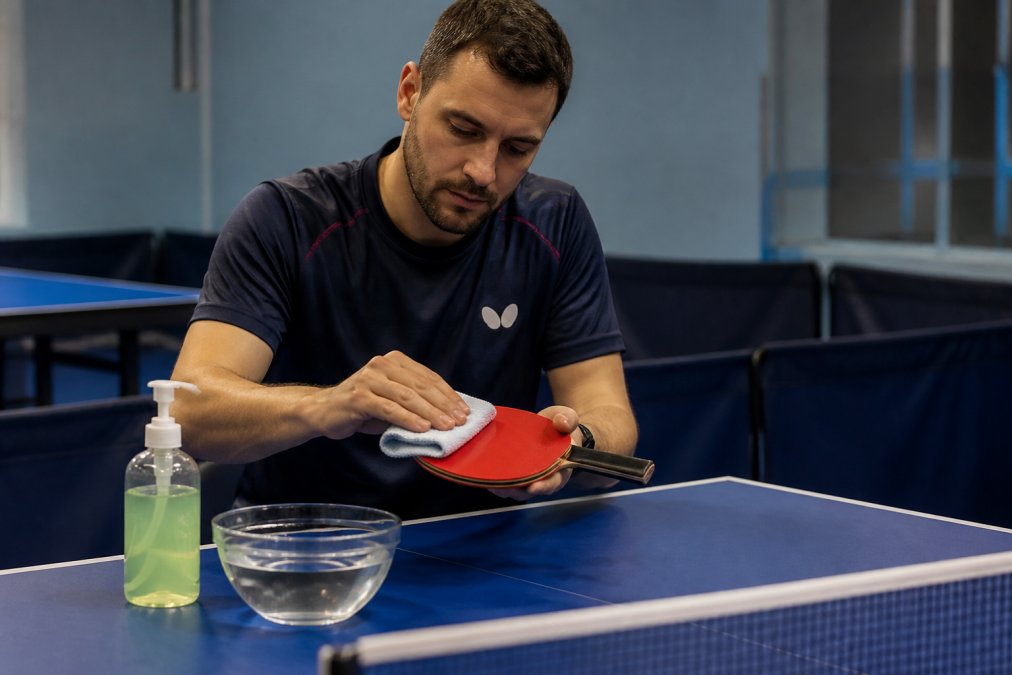
Your racket’s rubber surface is its most expensive consumable. Sweat, dust, and oils from fingers destroy tackiness and friction, which are essential for generating spin.
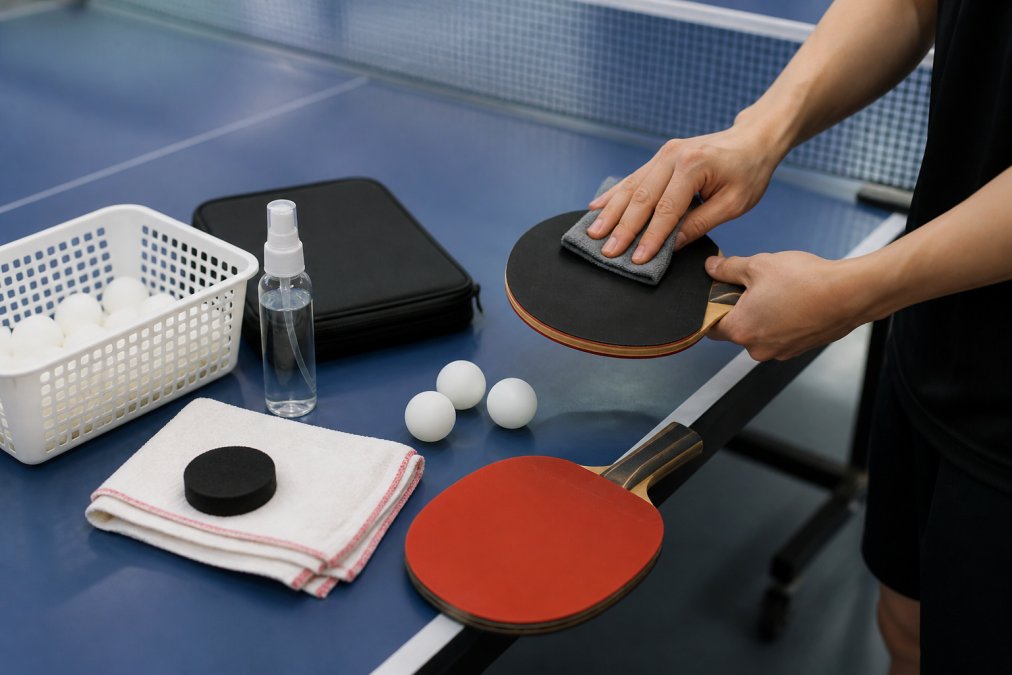
After every session, wipe the rubber with a damp, lint-free cloth to remove surface dirt. For a deeper clean, use a few drops of a dedicated table tennis rubber cleaner on a sponge, gently wiping in circular motions from the handle outward. Let the rubber air dry completely before applying protective film. Never use abrasive cleaners or household detergents, as these can permanently damage the rubber’s top sheet.
Protecting Racket Edges and Blades
The blade’s edge is its most vulnerable point. A single hit against the table edge can splinter the wood and compromise the entire racket’s feel.
Apply a thin layer of edge tape around the entire perimeter of the blade. This simple, inexpensive layer absorbs impacts that would otherwise chip the wood. When not in use, store the racket in a hard bat case, never loose in a gym bag where it can rub against other equipment. For the blade itself, avoid extreme temperature changes and high humidity, which can cause warping.
Choosing the Right Table Tennis Rubber Cleaner
Generic advice to 'avoid harsh chemicals' doesn't help a club manager make a purchasing decision. The real issue is material compatibility. Table tennis rubber topsheets are made from either natural or synthetic rubber compounds, and their chemical resistance varies significantly.
Understanding Rubber Chemistry
- Natural Rubber (e.g., tacky Chinese rubbers): These topsheets are soft and highly tacky. They are vulnerable to oxidation and are degraded by petroleum-based solvents. A cleaner with a high pH or alcohol content will strip the tacky surface layer, permanently reducing grip.
- Synthetic Rubber (e.g., European/Japanese tensor rubbers): These are more resilient but still susceptible to plasticizers being leached out by strong solvents. The sponge underneath is also a synthetic rubber that can harden or become brittle if exposed to the wrong chemicals.
A pH-neutral, water-based cleaner is the only safe choice for both types. It works by emulsifying the oils and lifting dust particles without chemically altering the rubber polymer chains. For a club environment, this means buying in bulk and standardizing on a single, safe product to avoid accidental misuse.
The Club Management Angle: Cost and Safety
For a club, the choice of cleaner has operational and safety implications beyond just performance.
- Cost per Use: A dedicated table tennis rubber cleaner from brands like Butterfly or Nittaku is effective but can be costly for a club cleaning dozens of rackets daily. A cost-effective alternative is a solution of mild, unscented dish soap (like Dawn) and distilled water. The key is to use a tiny amount (a few drops per 16 oz of water) to avoid a soapy residue. Distilled water is critical; tap water contains minerals that can leave a film on the rubber.
- Safety and Storage: Many general-purpose cleaners contain volatile organic compounds (VOCs) that are flammable and can cause respiratory irritation in a poorly ventilated club room. Water-based cleaners are non-toxic and safer for staff and players. Store all cleaning supplies in a locked cabinet, away from food and drink areas, and clearly label them to prevent cross-use with table cleaning products.
A Simple Testing Protocol
Before committing to a new bulk cleaner, run a simple test. Apply the cleaner to a small, inconspicuous corner of a practice rubber. Let it dry and then check for two things: tackiness (does a dry finger stick slightly?) and surface texture (has it become shiny or slick?). If either changes, the cleaner is too aggressive. This 5-minute test can save a club from ruining an entire inventory of rackets.
By focusing on chemical compatibility and operational safety, a club can implement a cleaning protocol that is both effective and cost-conscious, avoiding the generic pitfalls that lead to premature rubber degradation.
How to Store Rackets to Prevent Performance Degradation
Proper storage is just as critical as cleaning. Table tennis rackets are sensitive to their environment, and the primary enemies are heat, humidity, and UV light.
Store rackets at room temperature, ideally between 60°F and 75°F, in a dry environment (ittf.com). High humidity causes the wood blade to absorb moisture, leading to warping, while dry heat can cause the rubber to shrink and lose its grip. Always apply protective film to the rubber surface before storage; this prevents dust accumulation and slows oxidation. A hard bat case offers the best protection against physical damage and environmental shifts.
A common mistake is leaving rackets in a car trunk or near a radiator. The temperature swings cause the rubber and glue to expand and contract at different rates, eventually leading to delamination between the sponge and blade.
Table Tennis Table Surface Care: Cleaning and Storage
The table surface is the club’s largest investment, and its finish is delicate. The matte paint that provides the correct bounce and spin is easily scratched or dulled.
For daily cleaning, use a dry, lint-free cloth to remove dust. For deeper cleaning, wipe the surface with a damp cloth and a mild soap solution, then dry it immediately with a second cloth. Never use abrasive cleaners, scouring pads, or harsh chemicals, as these will strip the paint and alter the table’s playing characteristics. According to ITTF equipment standards and care guidelines, maintaining the playing surface’s integrity is paramount for consistent ball behavior.
When not in use, keep the table folded and covered with a protective cover. This shields the surface from dust, UV light, and accidental impacts. Ensure the room has adequate humidity control to prevent the tabletop from warping or the frame from rusting.
Net Tension, Posts, and Table Frame Checks
A sagging net or a wobbly post ruins the game’s fairness and is a common source of player frustration. These mechanical elements require regular, simple checks.
- Net Tension: Check weekly. The net should be taut enough that a ball dropped from 6 inches bounces back, but not so tight it pulls the posts inward.
- Posts and Clamps: Inspect monthly. Tighten any loose screws and check the clamps for wear that could damage the table edge.
- Frame and Legs: Check monthly. Look for loose bolts on the folding mechanism and ensure the wheels roll smoothly and lock securely.
Lubricate moving parts, such as folding hinges and wheel locks, with a silicone-based spray to prevent squeaking and rust. Tightening a loose net tensioner takes seconds and prevents the net from becoming permanently stretched out of shape.
simplifying Practice with Ping Pong Ball Cleanup Tools
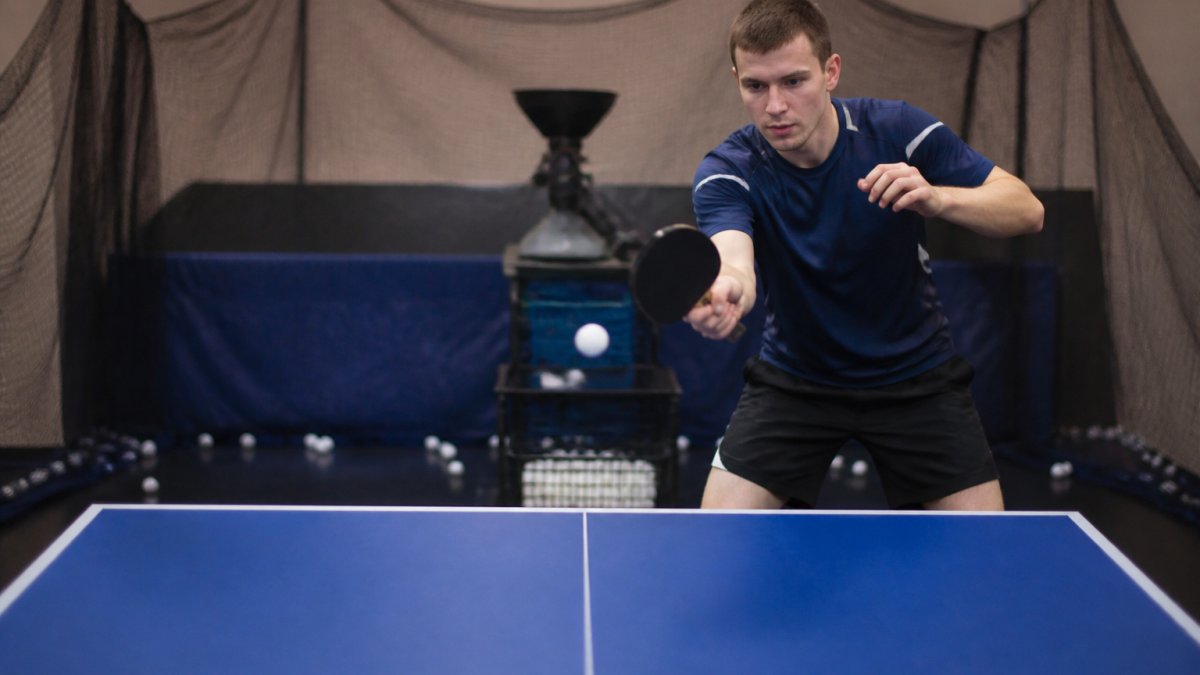
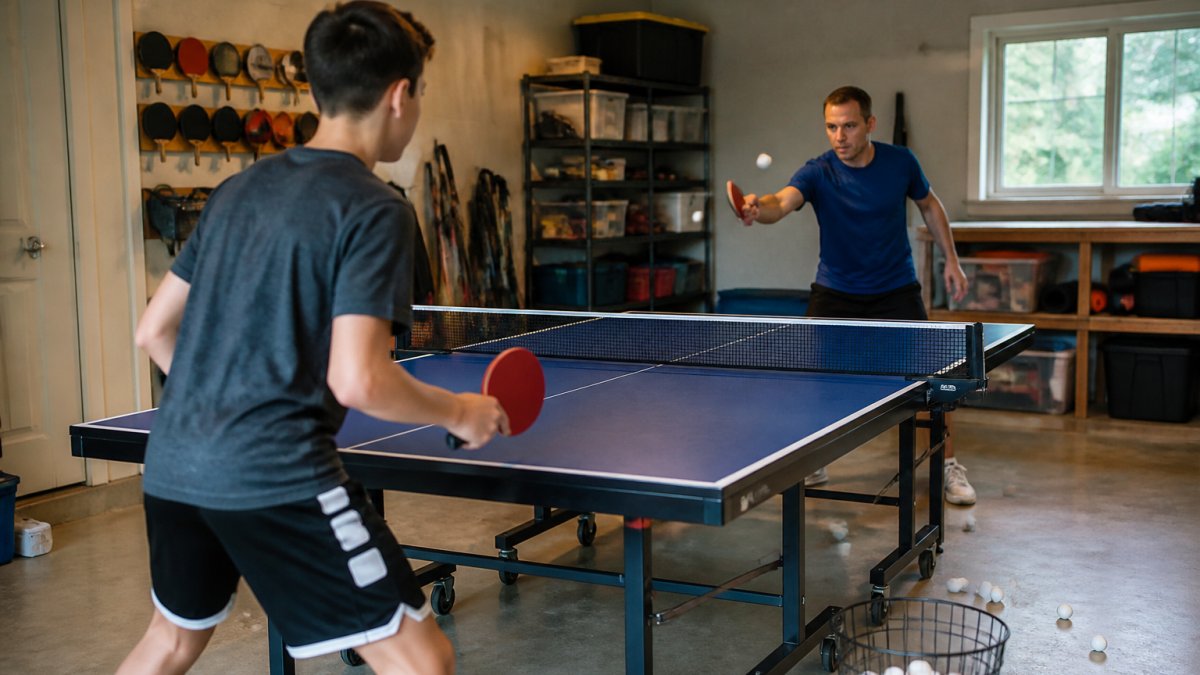
Efficient ball collection is a maintenance task in itself. Hundreds of balls scattered across the floor are a safety hazard and a time drain that cuts into actual practice time.
Ping pong ball cleanup tools are designed to solve this exact problem. The most effective designs allow players and coaches to scoop up balls without bending over, protecting backs and knees during high-volume training sessions. For clubs running multi-ball drills or robot training, a fast cleanup tool directly translates to more reps and better training focus.
This is where MyPingPongBuddy shines. Our handmade, portable tool is built for exactly this scenario, allowing you to scoop up balls with ease and eliminating the need to bend over. It breaks down in half for easy transport, and its durable design holds up to daily use in busy facilities, from clubs to senior games. It’s a simple solution that saves valuable time during cleanup, keeping practice sessions flowing.
Repairing Common Damage and Knowing When to Replace
Even with perfect maintenance, equipment wears out. Knowing the difference between a repair and a replacement saves money and prevents frustration.
Racket Repairs:
- Edge chips: Repairable with new edge tape.
- Rubber peeling from blade: Re-glue with table tennis-specific rubber cement.
- Worn rubber surface: Not repairable. When the tackiness is gone and cleaning doesn’t restore grip, it’s time to replace. The replacement cycle for club use depends on frequency of play.
Table Repairs:
- Scratches: Minor surface scratches can sometimes be buffed out with a specialized table cleaner, but deep gouges are permanent.
- Loose net posts: Usually a simple screw tightening.
- Warped surface: Not repairable. A warped table provides an unfair and unpredictable bounce and must be replaced.
Balls: Cracked balls should be discarded immediately. They can damage rubber surfaces and provide erratic bounces.
Knowing when to replace is a key part of equipment maintenance. Holding onto a dead rubber or a warped table hurts player development more than the cost of a new one. For sustainability, check if your local recycling program accepts rubber or consult US EPA guidelines on recycling and waste management for proper disposal of worn equipment.
Keeping a club’s equipment in top shape comes down to consistent, simple habits: clean rubber after every session, store rackets properly, and check tables and nets on a schedule. These small steps prevent performance degradation and save money on premature replacements. At MyPingPongBuddy, we help clubs simplify their practice environment with durable, handmade ball cleanup tools that save time and protect players from unnecessary bending. Get started with MyPingPongBuddy and make ball cleanup the easiest part of your training day.
Frequently Asked Questions
How often should you clean table tennis rubbers?
For club equipment used daily, clean rubber surfaces after every playing session. Dust and oils from hands accumulate quickly and directly reduce tackiness and spin. For recreational players, a weekly cleaning is usually enough. Use a damp, lint-free cloth with a dedicated table tennis rubber cleaner or mild soap. Dry the surface with another lint-free cloth before storing the racket.
What is the best rubber cleaner for ping pong paddles?
A dedicated table tennis rubber cleaner is best because it is pH-balanced for synthetic rubber. It removes dust, sweat, and oxidation without breaking down the rubber's tacky surface. You can use water with a drop of mild soap as a budget alternative, but avoid alcohol-based solutions and abrasive cleaners. Apply the cleaner to a lint-free cloth, not directly onto the rubber.
How do you remove dust and debris from a table tennis surface?
Use a clean, dry, lint-free cloth or a specialized table tennis table surface care kit to wipe away dust. For stubborn marks, dampen the cloth with water and a small amount of mild dish soap. Wipe the surface dry immediately to prevent moisture damage. Never use abrasive scrubbers, harsh chemicals, or commercial furniture polish, as they can dull the playing surface and affect ball bounce.
How long do ping pong rubbers last?
With regular club play (3-5 times per week), a rubber's performance starts to degrade after 3 to 6 months. Oxidation causes the surface to lose its tackiness and grip. Signs of aging include a shiny or glossy appearance, reduced spin, and a harder feel. Recreational players can often extend this to a year with proper care.
What are the signs that a table tennis rubber needs replacement?
The most obvious signs are visible wear, such as cracks, peeling at the edges, or a shiny, glazed surface indicating oxidation. In practice, you will notice a loss of grip and spin, and the ball may feel harder to control. If cleaning no longer restores tackiness, the rubber's performance has degraded. Check the sponge layer for compression or damage, which also signals it is time for a new rubber.
How can clubs improve efficiency during ball cleanup and practice?
Investing in quality ping pong ball cleanup tools is the most direct way to save time. Tools like the MyPingPongBuddy allow players and coaches to scoop up dozens of balls without bending over, which is faster and reduces back strain. This shortens downtime between drills and keeps practice sessions focused. A designated cleanup station with storage for tools also helps maintain organization.