 ultimate-guide
Avoiding Fatigue in Table Tennis Training: 7 Ways
Table of Contents
- Understanding Table Tennis Fatigue: More Than Just Tired Legs
- Recognizing the Signs of Table Tennis Burnout Early
- Building Cardiovascular Fitness for Long Matches
- Managing Grip Pressure and Hand Fatigue
- Practical Table Tennis Recovery Techniques Between Points
- How to Pick Up Ping Pong Balls Without Bending to Save Energy
- Fueling Your Body: Nutrition and Hydration for Training
- Conclusion: Train Smarter and Play Longer
- Frequently Asked Questions
Last Updated: September 9, 2026
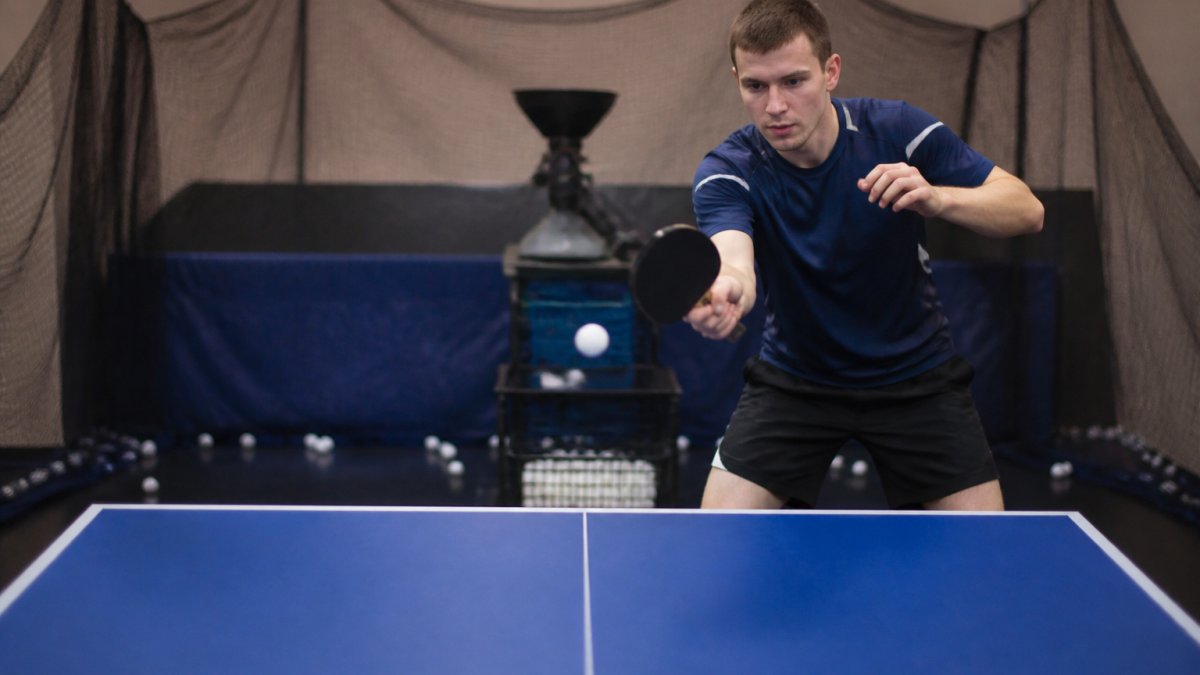
Fatigue in table tennis is rarely just heavy legs. It shows up as sloppy footwork, mistimed forehand topspin, and a backhand drive that loses its snap by the third game. Avoiding fatigue in table tennis training requires a deliberate mix of cardiovascular conditioning, smarter recovery habits, and equipment choices that reduce unnecessary strain. Wasted energy on tasks like bending over to scoop up balls between drills is a common culprit for fatigue. Below, we will show you exactly how to structure your training to last longer, recover faster, and protect your body from the burnout that ends promising seasons.
Understanding Table Tennis Fatigue: More Than Just Tired Legs
Table tennis fatigue is the cumulative physical and mental depletion that degrades stroke mechanics and reaction time during prolonged play. Most players blame their legs first, but the real problem often starts with metabolic fatigue and cardiovascular fitness. When your aerobic capacity gives out, your brain cannot signal your muscles quickly enough to execute a clean forehand topspin.
The physical demands are deceptive. A single point involves explosive anaerobic bursts lasting only seconds, but a full match requires sustained aerobic output between rallies. Without proper interval training, your body switches to inefficient energy pathways, producing sloppy technique and a performance plateau. Recognizing that fatigue is a systemic issue, not just sore muscles, is the first step toward fixing it.
Recognizing the Signs of Table Tennis Burnout Early
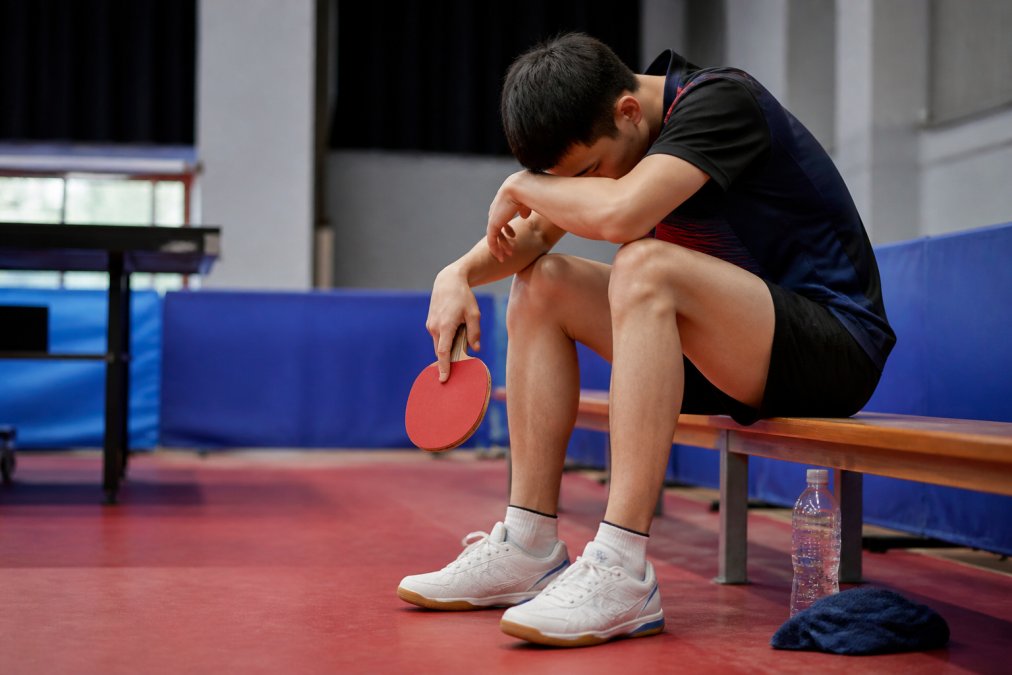
The biggest mistake in table tennis training is ignoring early burnout signals until they become overtraining syndrome. Mental burnout often precedes physical breakdown, appearing as a loss of motivation, irritability during drills, and a noticeable drop in reaction time during practice matches.
Physical warning signs include persistent muscle soreness that does not fade with rest, increased resting heart rate, and disrupted sleep. When your stroke mechanics start to degrade, specifically a collapsing wrist or a dragging backhand drive, that is a compensatory movement pattern telling you your training load exceeds your recovery capacity. Many coaches miss these cues because they focus on technique rather than the athlete's energy state. Addressing these signs requires immediate rest and active recovery, not pushing through the wall.
Building Cardiovascular Fitness for Long Matches
Aerobic vs. Anaerobic Training Requirements
Table tennis is an intermittent sport: a point lasts 3-7 seconds of explosive work, followed by 10-20 seconds of rest between rallies and up to 60 seconds between games. Your conditioning must mirror that exact demand curve. Pure aerobic training builds your baseline, but it won't prepare you for the repeated 5-second bursts that decide games. Pure sprint work builds power but leaves you gasping by the third game. The solution is polarized training: roughly 80% of your weekly conditioning at low intensity (Zone 2, where you can hold a conversation) and 20% at high intensity replicating match bursts (PubMed).
A common pattern among competitive players is neglecting the aerobic base entirely. They show up to the club, play for two hours, and call it conditioning. That approach develops neither the mitochondrial density needed for recovery between points nor the lactate clearance capacity that keeps your legs fresh in a fifth game. Instead, structure your week with two steady-state sessions, 20-30 minutes of jogging, cycling, or rowing at a pace where you could speak in full sentences, and two interval sessions.
For the interval sessions, use a protocol that mimics actual match rhythm:
- Drill 1: Footwork intervals. 20 seconds of rapid side-to-side footwork (as if chasing a wide forehand), followed by 40 seconds of walking. Repeat 8-10 times. This mirrors the work-to-rest ratio of a single point plus the time between points.
- Drill 2: Multi-ball burst. 10 seconds of explosive forehand loops from the backhand corner, then 50 seconds of active recovery (light bouncing or shadow footwork). Repeat 6-8 times. This replicates the intensity of a rally-ending shot followed by the slower pace of serve and return.
- Drill 3: Game simulation. Play a practice match but cap each rally at 8 shots. After each point, walk a full circle around the table before serving. This trains your body to recover while staying mentally engaged.
A common mistake is doing intervals at 100% effort every session. That leads to central nervous system fatigue, which shows up as slower reaction time and sloppy footwork, exactly the symptoms you're trying to avoid. Instead, rate your perceived exertion on each interval: sessions 1 and 3 of the week at 7-8 out of 10, sessions 2 and 4 at 5-6 out of 10. This variation builds both aerobic capacity and anaerobic power without overtaxing your recovery systems.
Your resting heart rate is a useful tracking tool. Measure it each morning before getting out of bed. If it creeps up by 5-7 beats per minute above your normal baseline, that's an early signal that your training load exceeds your recovery capacity (peer-reviewed research). Back off the high-intensity work for 2-3 days and focus on the steady-state sessions plus sleep. This single metric can catch overreaching weeks before performance drops become obvious at the table.
Finally, don't skip the cool-down after interval work. Five minutes of light jogging followed by walking helps your body clear metabolic byproducts and signals your parasympathetic nervous system to shift into recovery mode. This is not optional, it's the bridge between the stress of training and the adaptation that makes you fitter for your next match.
Managing Grip Pressure and Hand Fatigue
Grip pressure is one of the most overlooked factors in avoiding fatigue in table tennis training, yet it directly causes forearm and wrist fatigue. Many players death-grip the racket during rallies, wasting muscular endurance on tension that should go into stroke speed. A relaxed grip, just firm enough to control the racket during impact, preserves energy for the entire session.
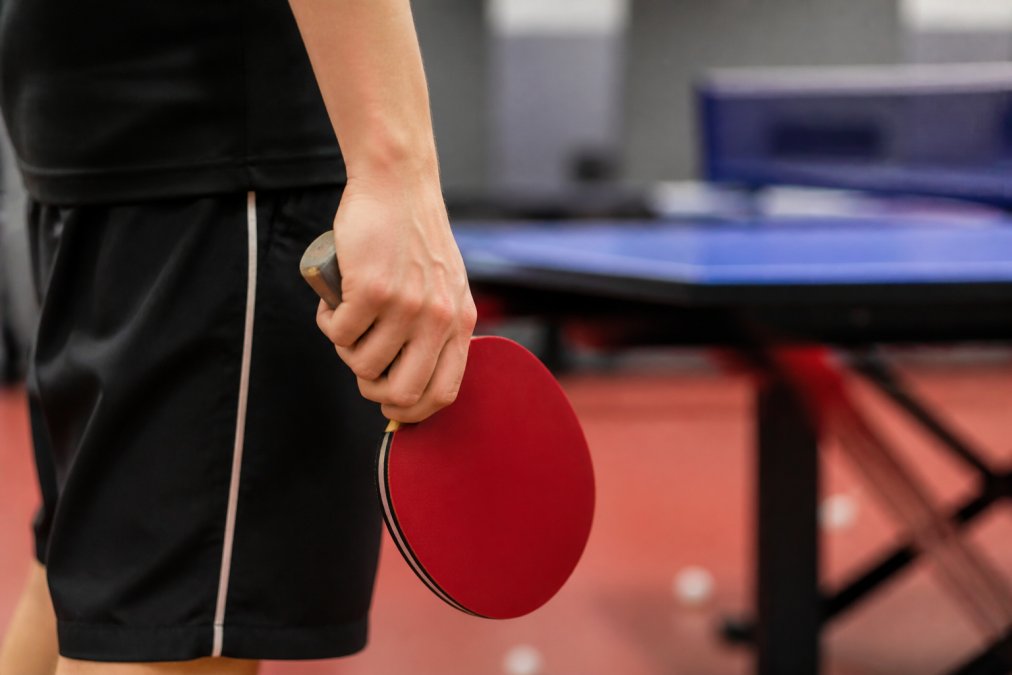
Wrist mobility and shoulder stability also play a role. If your forearm muscles are constantly tight, you lose the whip-like snap needed for a powerful backhand drive. Check your racket tension and handle size; a grip that is too small forces you to squeeze harder, accelerating hand fatigue. Between points, shake out your hands and consciously relax your fingers. This micro-recovery keeps your stroke mechanics clean and your reaction time sharp late in matches.
Practical Table Tennis Recovery Techniques Between Points
Recovery between points is where matches are won or lost, and most players waste this precious time. The goal is twofold: lower your heart rate and clear metabolic waste, but also reset your mental focus. The 20 seconds between points is the only structured downtime you get in a match, use it deliberately.
Physical Recovery: The 20-Second Reset
Start with your breathing. Inhale through your nose for 4 seconds, then exhale slowly through your mouth for 6-8 seconds. The longer exhale activates your parasympathetic nervous system, which lowers your heart rate and reduces muscle tension. Repeat this 2-3 times during the 20-second window. Most players breathe shallowly from their chest after a long rally; switching to diaphragmatic breathing (belly rising, not shoulders) makes a measurable difference in how fresh you feel by the fifth game.
While breathing, walk a small circle around your side of the table rather than standing still. This keeps blood flowing through your legs, preventing the pooling that leads to heavy, leaden feet. Add one or two shoulder rolls and a gentle wrist shake to release tension that accumulates in your upper body during aggressive rallies. These micro-movements take 3-4 seconds total but prevent the gradual tightening that degrades your stroke mechanics late in a match.
Psychological Recovery: The Untapped Angle
Physical recovery is only half the equation. Mental fatigue accumulates just as fast as physical fatigue, and it shows up as slower decision-making, hesitation on shot selection, and a tendency to revert to your least demanding stroke pattern. The players who sustain high-level play deep into a tournament are the ones who actively manage their mental state between points.
One technique is focus shifting. During the rally, your attention is narrow and locked on the ball and your opponent's positioning. In the 20 seconds between points, deliberately widen your focus. Look around the venue, notice the lights, feel the floor under your feet. This 5-second mental break prevents the cognitive overload that comes from sustained narrow attention. Then, just before you serve or receive, narrow your focus back to one specific cue, the seam of the ball, your opponent's racket angle, or your own contact point. This shift-and-refocus cycle keeps your brain fresh over a 45-minute match.
A second technique is visualization of the next point. Instead of replaying the point you just lost or winning the one you just won, spend 3-4 seconds visualizing your first move of the next point. If you're serving, picture the toss, the contact, and the placement. If you're receiving, picture your read of the serve and your first step. This primes your motor cortex and shortens your reaction time on the first shot of the next rally. Players who do this consistently report feeling more in control and less reactive during tight games.
A third technique is self-talk with a purpose. The 20-second window is not the time for self-criticism or tactical over-analysis. Keep your internal dialogue to one or two words: "low" before a serve to remind yourself of your stance, "watch" before receiving to cue your visual tracking, or "loose" to remind yourself to relax your grip. This prevents the mental spiral that happens when you start thinking about the score or the consequences of the next point.
Building a Between-Point Routine
The key to all of this is consistency. A between-point routine works only if you do it the same way every time, whether you're up 10-2 or down 9-10. Practice it in training until it becomes automatic. Start with the breathing, add the movement, then the focus shift, then the visualization, then the one-word cue. The entire sequence should take 15-18 seconds, leaving you ready and calm as the server prepares.
Players who master this combined physical-psychological recovery maintain higher match intensity in the fifth game compared to those who slump over and gasp for air. The physical part clears your body; the psychological part clears your mind. Both are trainable skills, and both are within your control every single point.
How to Pick Up Ping Pong Balls Without Bending to Save Energy
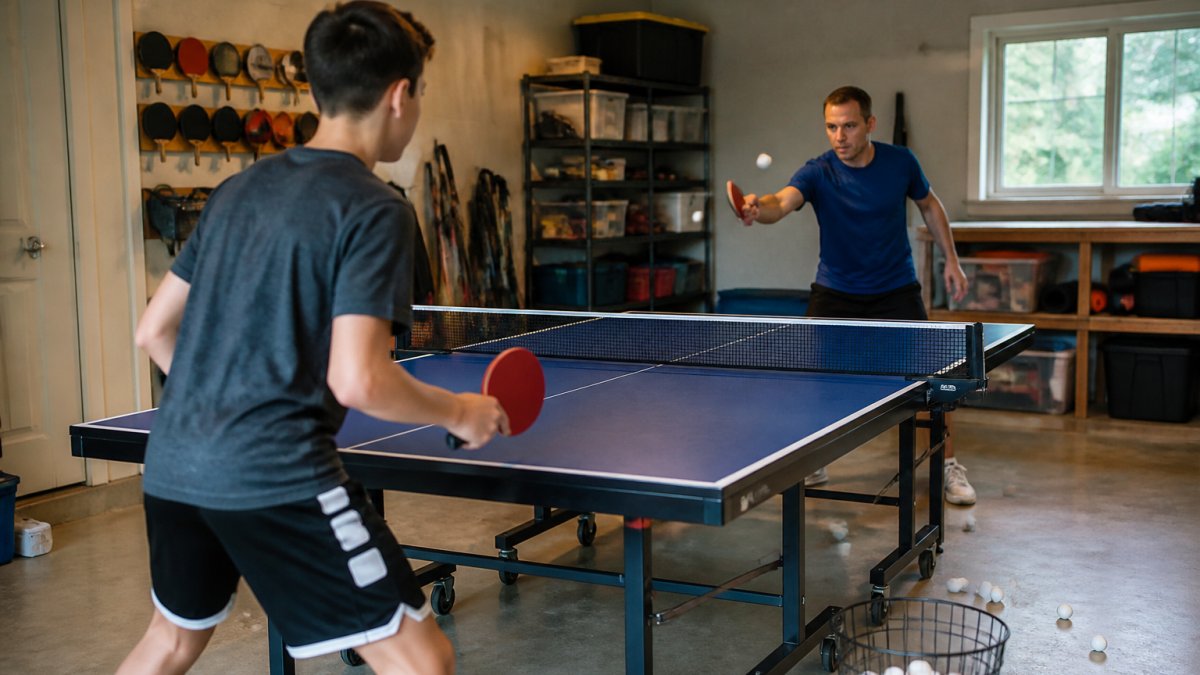
Bending over to pick up ping pong balls is a hidden energy drain that accelerates fatigue during training. A typical multi-ball drill scatters dozens of balls across the floor, and each bend taxes your lower back and breaks your focus. For players with chronic back pain or coaches running back-to-back sessions, this repetitive motion is a fast track to muscle fatigue and injury.
The solution is a ball pickup tool like MyPingPongBuddy, which lets you scoop up balls while standing upright. This handmade, portable device breaks down in half for easy transport and eliminates the need to bend over entirely. Students can pick up balls faster with this tool than with traditional net scoopers, saving time and preserving energy for actual practice. It improves training focus by keeping the session moving and reducing downtime between drills.
Fueling Your Body: Nutrition and Hydration for Training
Nutrition and hydration protocols are the missing piece in most fatigue management plans. Table tennis demands quick reaction time, which relies on a well-fueled brain and stable blood sugar. Eating a balanced meal two to three hours before training, rich in complex carbohydrates and moderate protein, provides sustained energy without the crash.
Hydration is equally critical. Dehydration by even a small amount slows reaction time and increases perceived effort during drills. Sip water continuously throughout practice rather than chugging large amounts between games. For sessions lasting over an hour, consider an electrolyte drink to replace what you lose through sweat. Many players find that proper fueling reduces mental fatigue as much as physical tiredness, keeping decision-making sharp during long tournament days. The American College of Sports Medicine guidance on hydration recommends personalized fluid plans to maintain performance during prolonged activity.
Conclusion: Train Smarter and Play Longer
Fatigue does not have to dictate the length of your training sessions or your success in matches. By addressing cardiovascular fitness, grip pressure, recovery habits, and the hidden energy costs of ball cleanup, you can extend your stamina and protect your body from burnout. The key is recognizing that avoiding fatigue in table tennis training is a holistic process, not a single fix. Start by implementing one change, such as a proper cool-down or an upright ball pickup method, and build from there. For players and coaches looking to eliminate the strain of constant bending, MyPingPongBuddy offers a durable, portable solution backed by a 90-day full refund return policy. Get started with MyPingPongBuddy and keep your energy where it matters: on the table.
Frequently Asked Questions
What are the first signs of table tennis burnout?
The first signs often include a persistent lack of motivation, irritability, and a noticeable drop in performance despite consistent practice. You might also experience physical symptoms like constant muscle soreness, trouble sleeping, and a loss of appetite. If you dread going to the table, that's a clear signal. Recognizing these signs of table tennis burnout early allows you to adjust your training load and incorporate rest days before it progresses into a more serious overtraining syndrome.
How can I improve my endurance for long table tennis matches?
Improving endurance requires a mix of aerobic and anaerobic training. Include activities like jogging or cycling to build your aerobic base, and add interval training with sprint bursts to mimic the stop-and-go nature of a match. Practice multi-ball drills to increase your stamina and drill intensity. Also, focus on efficient footwork and relaxed stroke mechanics, as wasted movement accelerates fatigue. Consistency in your physical conditioning is key to lasting through long matches.
What are effective table tennis recovery techniques between points?
Effective recovery between points starts with controlling your breathing. Use the time to take slow, deep breaths to lower your heart rate. Shake out your arms and hands to release tension in your grip and shoulders. Use the towel to wipe your hands and the table, which gives you a few extra seconds to refocus. These active recovery techniques help clear lactic acid and reset your mental focus for the next point.
How does bending to pick up balls contribute to training fatigue?
Repeatedly bending over to pick up balls drains energy and places stress on your lower back. This is especially true during high-volume training with a robot or multi-ball drill. The constant motion contributes to overall physical fatigue and can lead to back pain. Using a tool like the MyPingPongBuddy to scoop up balls without bending preserves your energy for the strokes and footwork that actually improve your game, while also protecting your back.